







On May 8, 2026, the world celebrates the International Red Cross and Red Crescent Day, an occasion commemorating the founder of the international movement, Henry Dunant. This anniversary comes at a time when humanitarian work faces unprecedented challenges due to escalating armed conflicts and natural disasters around the world.
This year, the international movement chose the slogan 'United in Humanity,' in an attempt to strengthen the resilience of volunteers and field workers who represent an integral part of the fabric of their affected communities. The slogan aims to highlight the vital role these individuals play in transforming feelings of human empathy into tangible support that preserves the dignity of victims.
Despite the slogans raised, the reality on the ground is brutally harsh, as the paramedic is no longer just a neutral relief element who arrives after the area is secured, but has often become a direct target of fire. In raging conflict zones, first responders find themselves facing the risk of death while trying to save others.
Humanitarian work is essentially based on the principle of neutrality and providing assistance based on pure medical need, away from any political or ethnic considerations. However, this principle faces severe tests in the field, where military operations intertwine with the humanitarian routes of ambulances.
Field sources reported that paramedics are forced to move in very narrow margins between adhering to professional duty and the imminent dangers threatening their lives. The environments in which they work do not always recognize the rules of international humanitarian law, making every rescue mission an adventure with unsafe consequences.
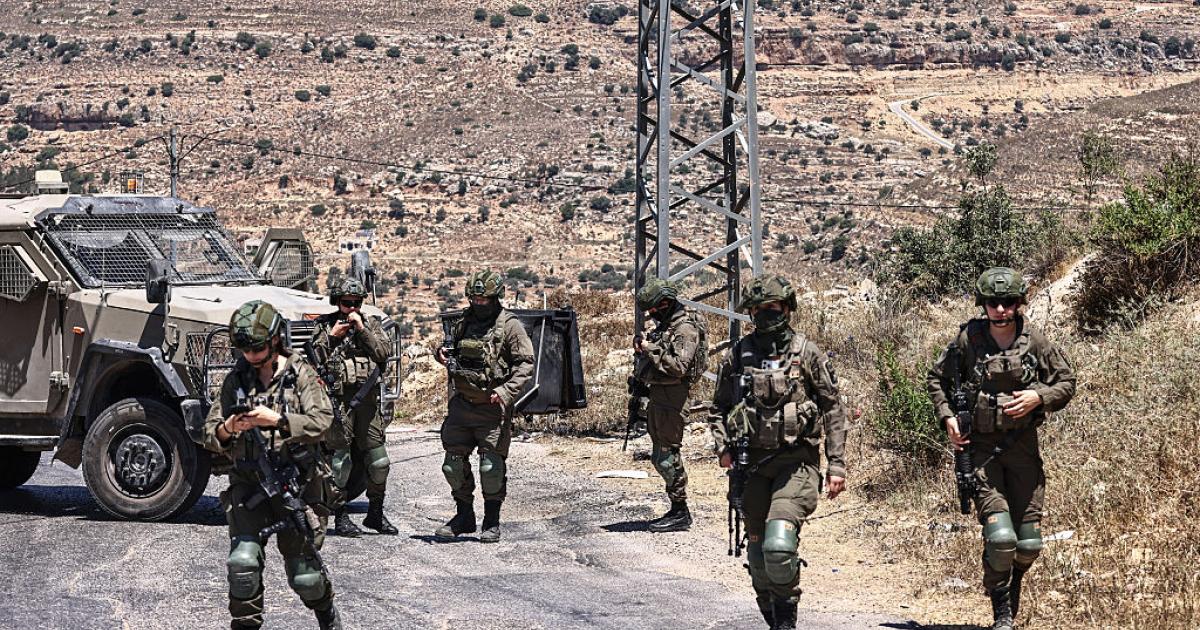
Data indicates that the Red Cross and Red Crescent emblems, which are supposed to grant international immunity, no longer provide adequate protection in modern warfare. The dividing lines between combat fronts and densely populated civilian areas have blurred, making medical and service facilities vulnerable to direct targeting.
In recent reports issued in May 2026, the international movement warned that humanitarian work is turning into something akin to a 'death sentence' for those who carry it out. Statistics revealed that 13 volunteers and staff from national societies were killed during the first four months of this year alone while performing their duties.
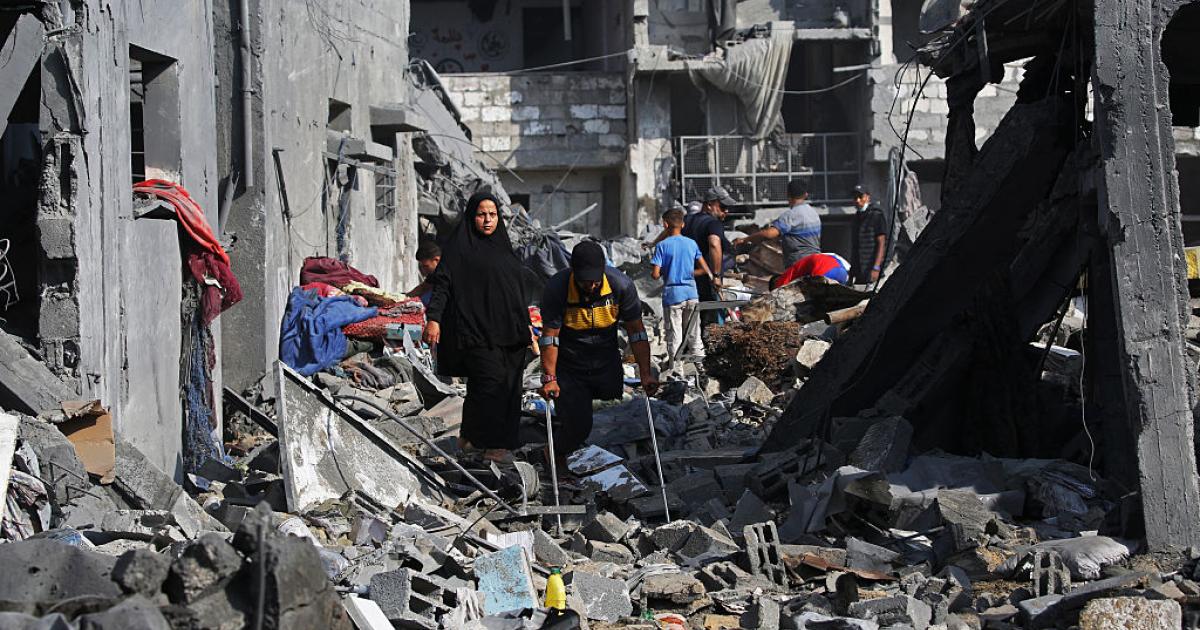
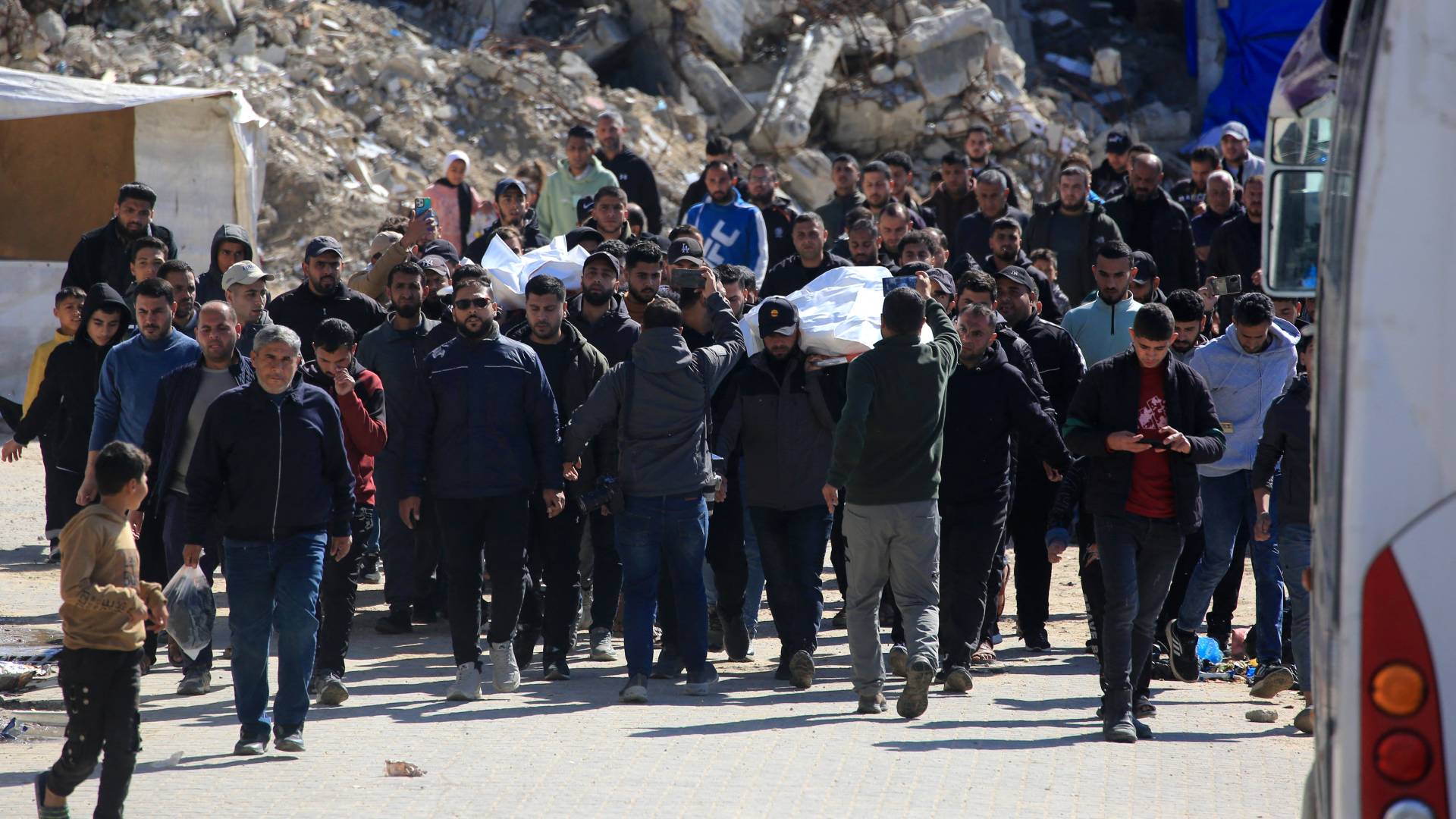
In the Palestinian context, Red Crescent teams were subjected to direct and systematic shelling by Israeli occupation forces in the Gaza Strip, leading to many ambulances being put out of service. Sources also recorded the martyrdom of a paramedic in southern Lebanon due to airstrikes, reflecting the widening scope of targeting medical personnel.
Paramedics work in harsh logistical conditions characterized by communication outages, destruction of vital roads, and a severe shortage of fuel supplies needed to operate vehicles. These pressures force them to make fateful decisions in a matter of seconds, such as prioritizing the wounded and choosing the least dangerous routes to reach hospitals.
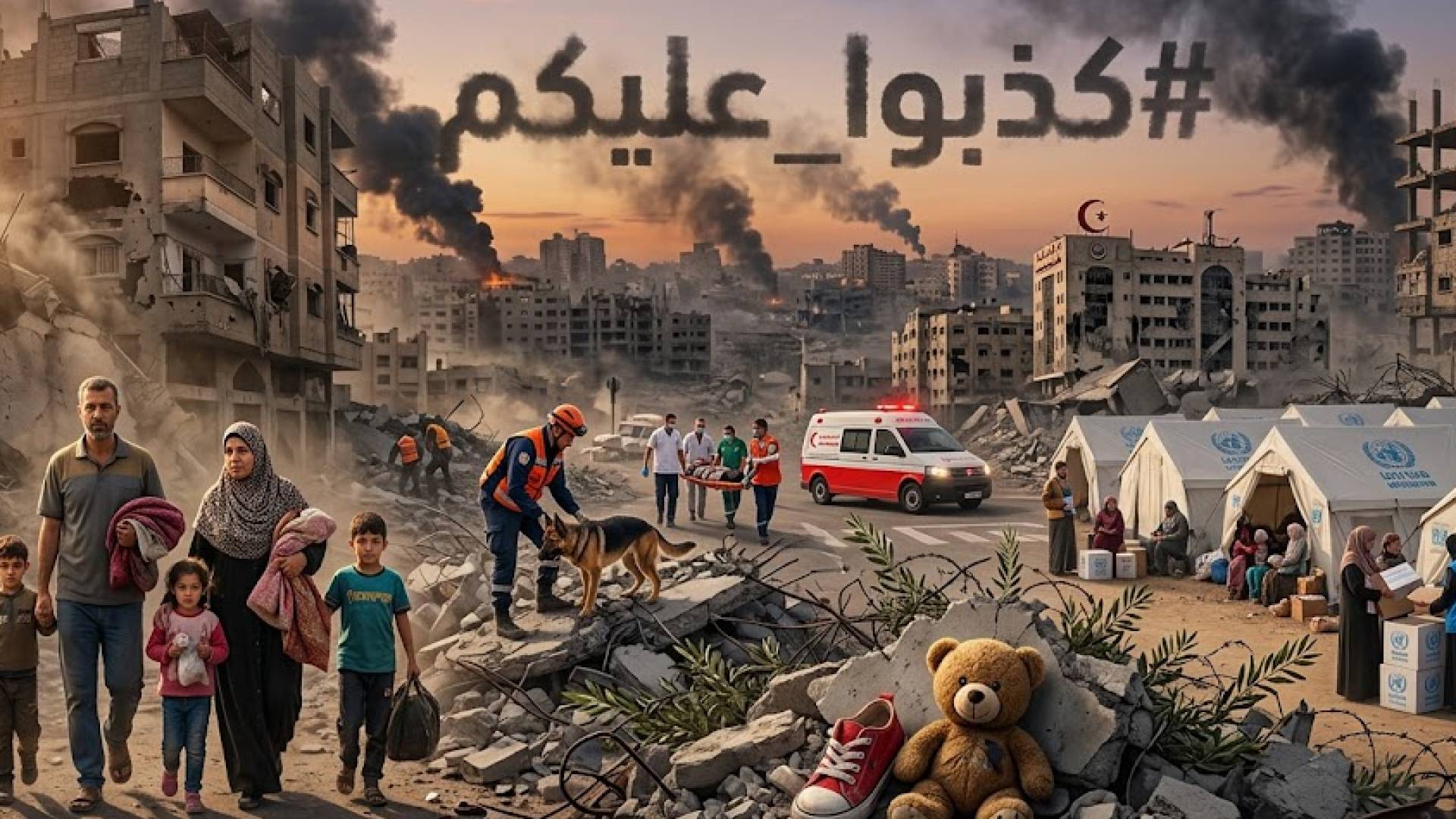
Targeting ambulance crews is not just an assault on individuals; it is a devastating blow to local communities that rely entirely on these services for survival. Disabling a single ambulance can mean losing the chance of survival for dozens of injured people at critical moments in the conflict.
Despite their field resilience, paramedics remain human beings affected by the harsh scenes they witness daily, which necessitates providing sustainable psychological and professional support for these heroes. The required protection is not only material but also includes recognizing the sanctity of their role and providing the necessary resources for the continuation of their humanitarian mission.
In conclusion, the core message on this International Day remains that neutrality is not a passive stance or an escape from reality, but rather the only remaining tool to reach humanity. Protecting paramedics is, in fact, protecting the right to life and a guarantee of maintaining a glimmer of hope in a world torn apart by wars.
Humanitarian work should not turn into a death sentence, and international protection for paramedics has become a real test of global conscience.
Share your opinion
On their International Day.. Paramedics under the guillotine of fire and protection badges lose their immunity