







The book 'The Iranian-Israeli War: When Will It End?' by Clouds Michael, highlights the dramatic transformations in the Middle East, tracing the roots of hostility since the storming of the Israeli diplomatic mission in Tehran in 1979. The author believes that this date marked the end of the 'Periphery Strategy' adopted by Tel Aviv to build alliances with non-Arab countries, ushering in a phase of building the 'Axis of Resistance' which changed regional power balances.
The hostile relationship evolved into an existential threat with the rise of Hezbollah in Lebanon, which the book described as 'Iran's most powerful weapon,' possessing by 2023 a massive arsenal exceeding 150,000 missiles. This Iranian investment, costing tens of billions, enabled Tehran to create a regional deterrence network capable of depleting Israeli military capabilities at a relatively low cost compared to traditional armies.
The Iranian nuclear file represents the primary driver of the current escalation, especially after the IAEA report in June 2025 revealed that Tehran possessed enough enriched uranium to produce nine nuclear warheads. Strategic sources considered Iran's reaching the 84% enrichment threshold to have put the region on the brink of a comprehensive explosion, as covert sabotage tools were no longer able to curb Iranian nuclear ambitions.
The events of October 2023 marked the breaking point for fragile stability, as the Gaza War activated multiple fronts including Lebanon, Yemen, Iraq, and Syria. Despite attempts by the parties to maintain rules of engagement, the targeting of the Iranian consulate in Damascus and the assassination of prominent leaders such as Ismail Haniyeh and Hassan Nasrallah pushed the confrontation into a phase of direct clash between Tehran and Tel Aviv.
In February 2026, the region entered a phase of open warfare whose repercussions affected the Gulf states and the global financial system, amidst international inability to contain the conflict. This confrontation led to a severe energy crisis due to the closure of the Strait of Hormuz, putting the global economy to an unprecedented stress test that threatened food security in vast areas of the world.
US President Donald Trump's administration faces increasing internal pressure with his popularity dropping to a third due to rising fuel prices, prompting Washington to seek a diplomatic solution. Sources confirm that intensive communications are currently underway to reach a framework agreement that would end what US officials described as the 'epic rage war' that achieved its initial military objectives.
Tehran demands in any upcoming negotiations a complete lifting of sanctions imposed since 2018, compensation for damages to its infrastructure, and binding security guarantees. In contrast, Tel Aviv insists on the permanent dismantling of Iranian missile and nuclear capabilities, creating a wide gap in the terms of negotiation between the two parties.
The 'long-term war of attrition' scenario is considered the most likely, with a probability of up to 45%, where each party bets on its economic and military resilience against the erosion of the opponent's capabilities. Iran's strategy in this context relies on prolonged resistance, exploiting global economic pressure and political unrest within the United States and Israel.
Analysts warned of a 'nuclear escalation' scenario that could push other regional countries such as Saudi Arabia and Turkey to seek nuclear weapons, which would completely change the global nuclear order. This shift would transform the Middle East from a region with one undeclared nuclear power into an arena for an overt nuclear arms race, ending traditional deterrence concepts.
Russian and Chinese roles emerged as crucial factors in sustaining Iran's ability to confront, by providing Tehran with advanced air defense systems and electronic warfare technology. Beijing also acts as an economic lifeline by purchasing energy and transferring technology, allowing Iran to continue its attrition strategy without collapsing under the weight of Western sanctions.
The Strait of Hormuz remains Tehran's strongest card, as its continued closure for more than ninety days could push the global economy into a comprehensive recession that major powers cannot afford. Expectations lean towards a 'de facto partial opening' of the strait, through practical arrangements that ensure the passage of commercial vessels without reaching a formal and comprehensive political agreement.
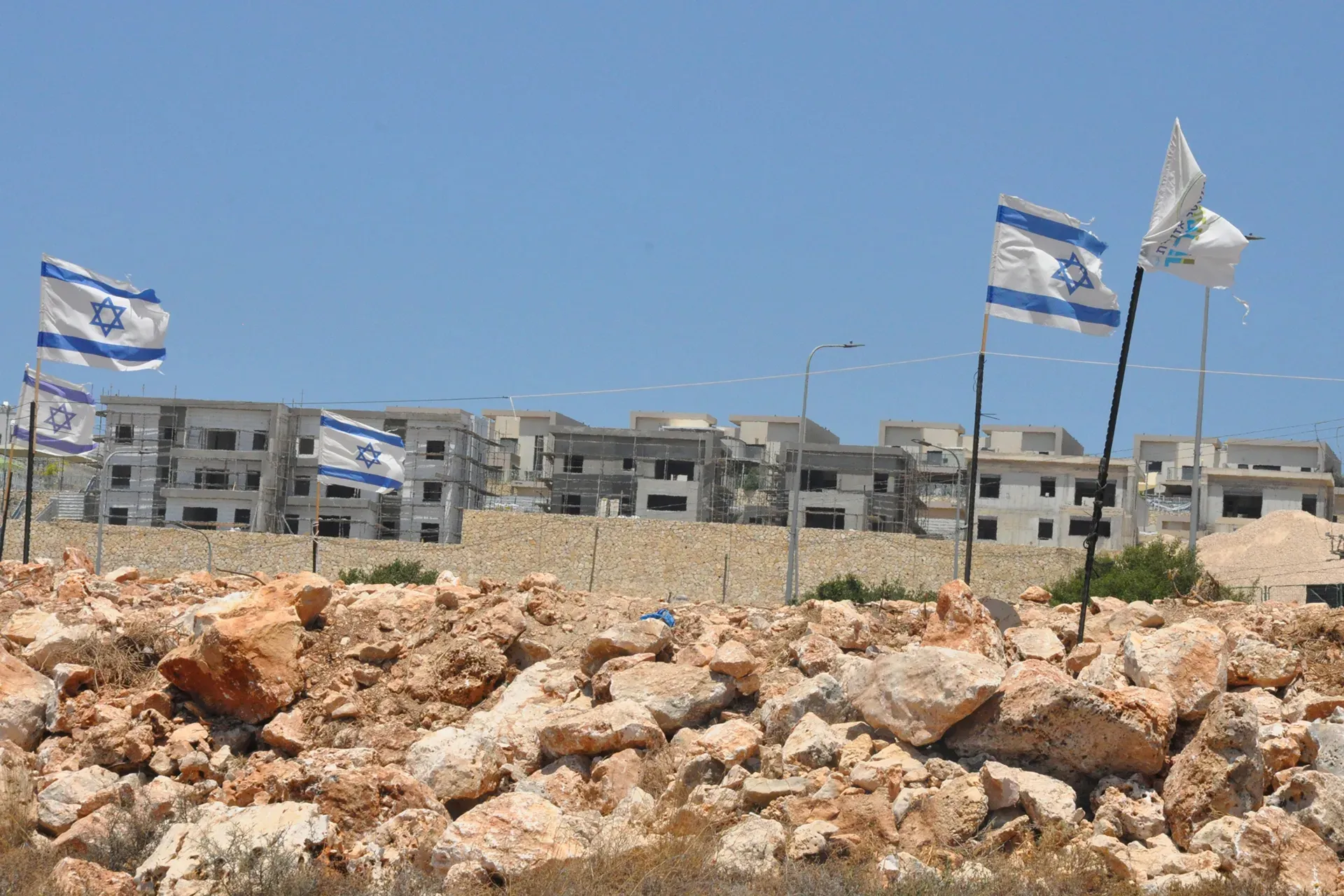
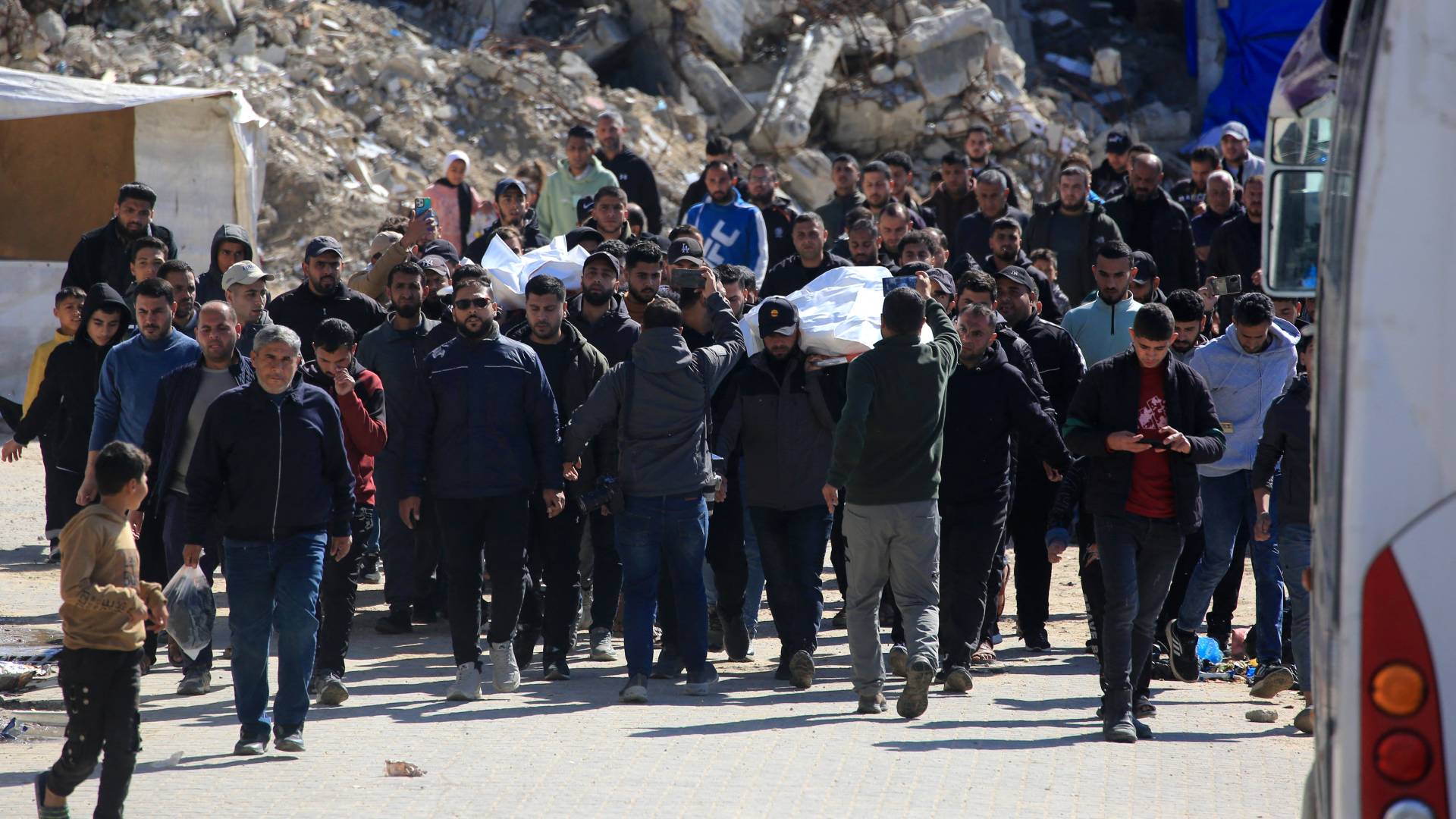
Strategic analysis confirms that any solution that ignores the Palestinian issue will remain temporary, as it is the deepest structural cause that fuels popular and political support for the Axis of Resistance. The continuous displacement and deprivation of Palestinians of their rights provide fertile ground for the growth of resistance movements, making their use as a strategic tool always available to regional powers.
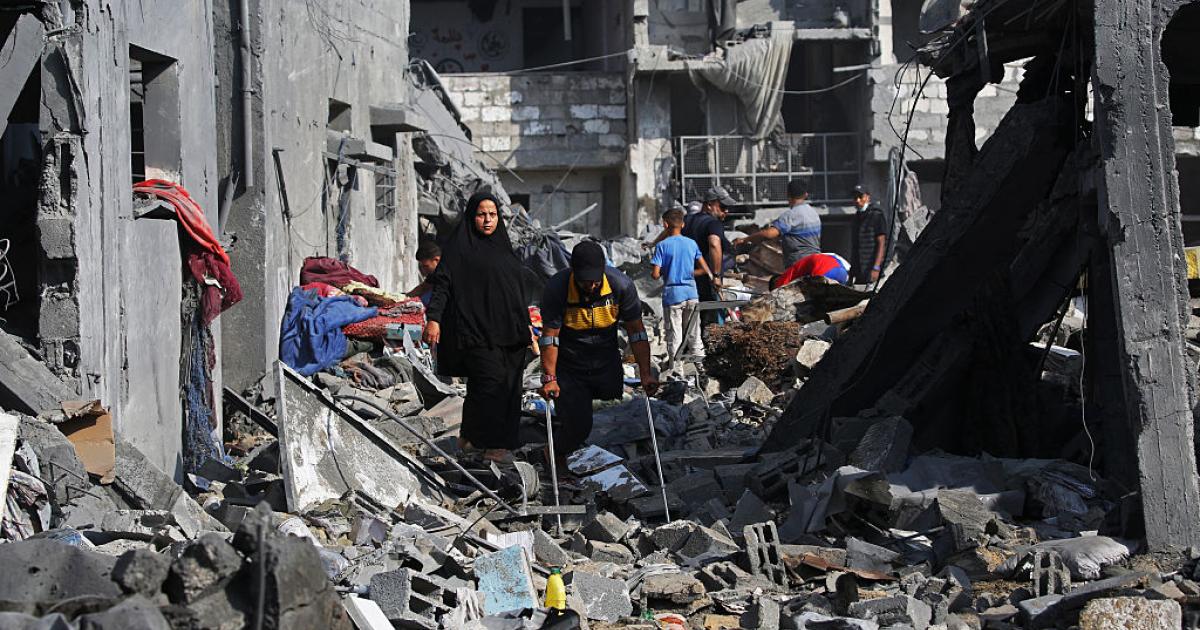
Israel suffers from increasing diplomatic isolation despite its military achievements, as former security leaders believe that the absence of a political horizon threatens the security of the Hebrew state in the long run. The destruction inflicted on the Gaza Strip deepened regional hatred, making it difficult to translate field victories into sustainable political stability in the region.
In conclusion, the conflict of 2025 and 2026 appears to resemble historical wars such as the Korean War in its structural features, where military operations continue due to the absence of a mechanism to translate the field reality into a settlement. The gamble remains on the ability of international institutions and alliances established after World War II to withstand this harsh test.
Any settlement that ignores the Palestinian dimension will not last; military elimination of organizations does not resolve the political conditions that make the emergence of their successors inevitable.
Share your opinion
The Future of the Great Confrontation: A Reading of the Roots and Scenarios of the Israeli-Iranian War