







Medical warnings are escalating from within the dialysis rooms at Al-Shifa Medical Complex in Gaza City, where patients face a tragic reality resulting from dilapidated equipment and a lack of basic resources. Sources reported that the facility, which has been subjected to repeated shelling, suffers from continuous breakdowns of dialysis machines, putting the lives of hundreds at stake in the absence of alternatives.
In a scene that embodies the scale of the catastrophe, engineering and maintenance teams at the Ministry of Health are forced to race against time to keep the devices operational. Technicians perform complex and urgent maintenance on the machines at the very moment a patient is connected to them, to ensure the continuity of the blood dialysis process without sudden interruptions that could lead to death.
Ma'zen Al-Araishi, Director General of the Engineering and Maintenance Department at the Ministry of Health, confirmed that this reality threatens the lives of about 700 kidney patients across the Strip. He pointed out that the artificial kidney departments in major hospitals such as Al-Shifa Complex, Al-Aqsa Hospital, and Nasser Medical Complex are effectively on the verge of complete cessation of operations.
The continued operation of these devices depends on precise periodic maintenance programs according to international medical standards, where devices must be replaced or maintained after specific operating hours. With these hours exceeded without real maintenance, the devices become out of service, exacerbating the long waiting list for patients whose health condition cannot tolerate any delay.
The crisis is not limited to equipment only but extends to water purification stations, which are the essential lifeline for the dialysis process. This process requires water with very precise specifications, free of salts and impurities, which has become almost impossible to provide due to the breakdown of central stations in the Strip's major hospitals.
The Ministry of Health accused the occupation authorities of tightening the siege on the health sector and preventing the entry of essential humanitarian and medical aid despite existing understandings. This ban includes spare parts necessary for periodic maintenance, as well as filters and chemicals designated for water purification, which paralyzes the entire medical system.
As a result of this severe shortage, doctors were forced to make difficult decisions, including reducing the number of hours of weekly dialysis sessions for patients. After a patient used to receive three sessions, each lasting five hours, the duration has been reduced to only three hours, and in some cases, the number of sessions has been reduced to only two.
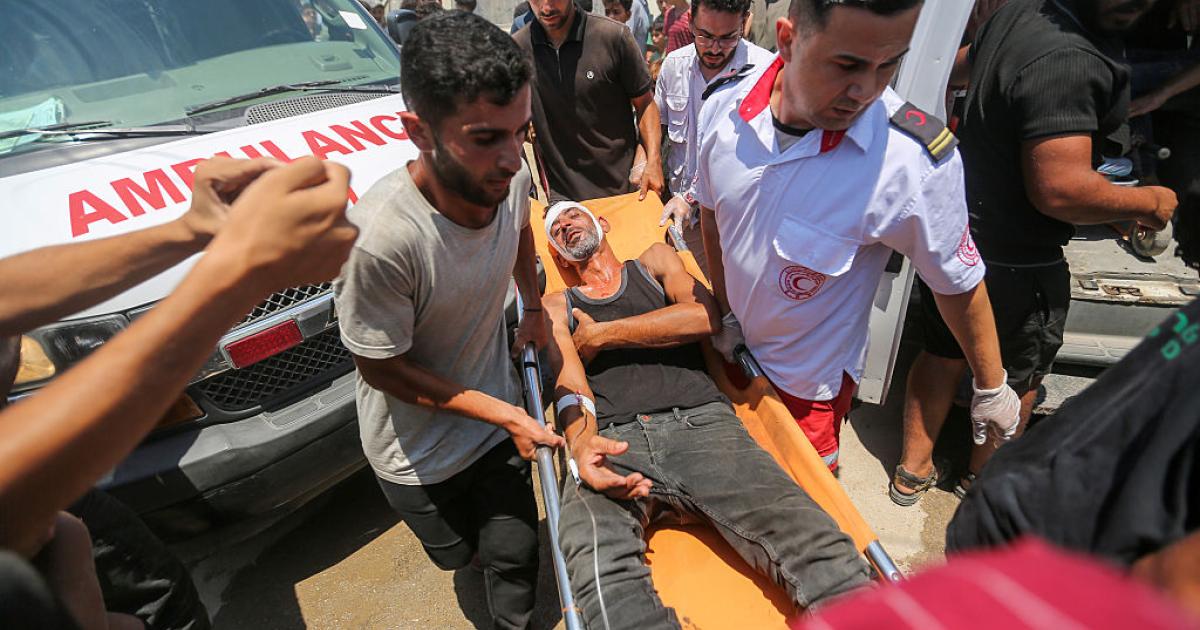
Statistics from the Palestinian Ministry of Health indicate that there are about 30,000 patients and wounded currently crowded inside the dilapidated hospitals in the Gaza Strip. These cases are awaiting coordination to travel through crossings to receive treatment abroad, after the local system lost its ability to deal with injuries and critical medical conditions.
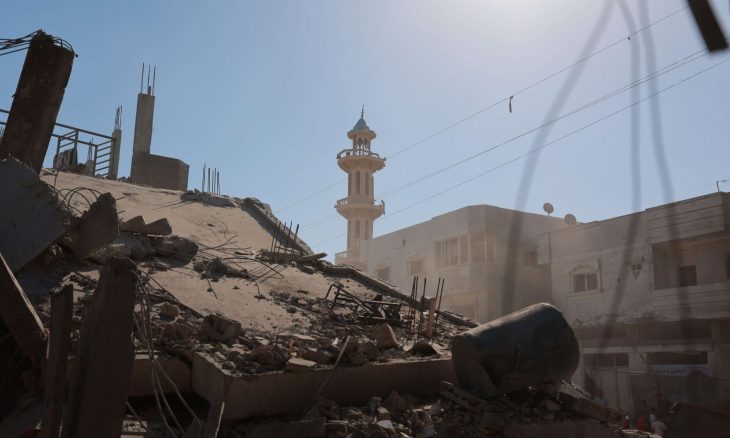
This crisis comes at a time when Israel continues to violate the ceasefire agreement that began last October, by launching sporadic raids and changing the agreed-upon field lines. The restriction on the entry of trucks loaded with medical supplies also continues, deepening the wounds of the sector, most of whose infrastructure has been destroyed by the war.
International and Palestinian institutions renew their demands for the necessity of pressuring the occupation authorities to open all crossings, especially the Rafah crossing, to save thousands of lives. Doctors warn that the continuation of the current situation will turn waiting periods into final death sentences for patients who do not have the luxury of time to wait for political solutions.
What is happening is a mass death sentence for patients whose bodies are accumulating toxins as a result of the breakdown of purification stations and the prevention of spare parts entry.

Share your opinion
Dilapidated Equipment and Suffocating Siege: Kidney Patients in Gaza Face Risk of Mass Death