







The region is experiencing a state of political stalemate, tinged with military tension between the United States and Iran, as a series of rapid developments emerged following the ceasefire announcement. This phase began with sharp statements from US President Donald Trump on April 7, in which he threatened total destruction if military operations did not cease, before agreeing to a temporary two-week truce.
On April 11, the Pakistani capital, Islamabad, hosted a direct negotiating marathon between Washington and Tehran delegations that lasted for approximately 21 continuous hours. Despite the hopes placed on this round, the following day saw an official announcement of the failure to reach a final agreement due to deep differences over the nuclear issue, while maintaining the ceasefire.
On April 13, the confrontation shifted to the economic and field levels, when the US administration announced a comprehensive naval blockade on Iranian ports. This step came in parallel with the continuation of diplomatic channels in an attempt to contain the situation, but field pressures began to escalate, affecting international navigation.
The Strait of Hormuz witnessed the peak of mutual escalation on April 17, as both sides threatened to re-close the strategic waterway and impose a reciprocal blockade. The next day, Tehran carried out its threat to effectively close the strait, and exchanged sharp accusations with Washington over responsibility for undermining maritime security in the region.
The tension intensified with Iran denying the existence of a new round of negotiations in Islamabad, at a time when Trump ruled out extending the existing truce. Threats of resuming aerial bombardment and military operations dominated the general scene, despite continuous Pakistani mediation efforts to bridge the views between the warring parties.
Tehran set clear conditions for continued de-escalation, demanding the lifting of the blockade imposed on its ports as a primary condition for continuing the ceasefire. In contrast, the US President showed steadfastness in his position, affirming on May 3 that his administration had sufficient time and political maneuverability to reach an agreement that served American interests.
Diplomatic movements returned to the forefront on May 5 with meetings in Islamabad, but the absence of the Iranian delegation led to the cancellation of the scheduled visit of the American delegation. Two days later, Tehran presented a document that included its 'red lines' and a new proposal regarding the security of the Strait of Hormuz, but it did not offer any tangible concessions on the thorny nuclear issue.
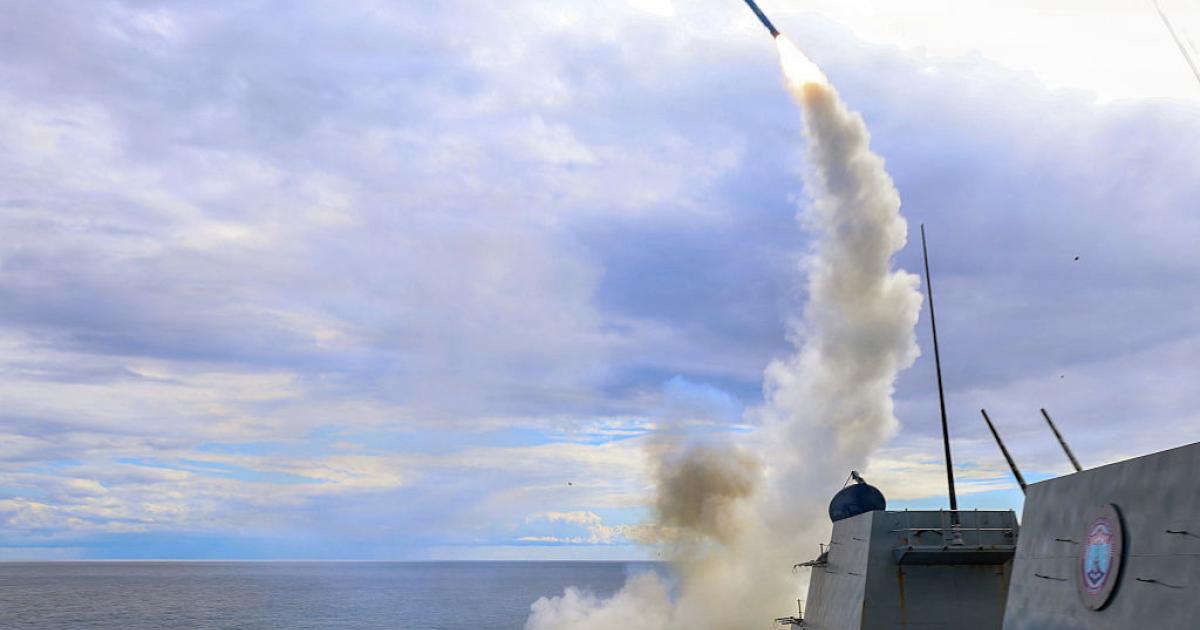
The US President announced yesterday that US forces would begin escorting commercial vessels in the Strait of Hormuz starting today, Monday. Trump indicated that this decision came in response to requests from several countries around the world to ensure freedom of navigation, a step that strengthens the US military presence in vital waterways.
The roots of this military explosion date back to February 28, when the United States and Israel launched a wide-ranging attack that resulted in the assassination of the Iranian Supreme Leader. Tehran responded at the time with missile strikes targeting US military bases and Israeli targets, plunging the region into a spiral of direct violence.
Despite the ceasefire coming into effect on April 8, the rounds of talks in Pakistan have so far failed to formulate a lasting peace agreement. The positive statements made by some US officials about 'positive discussions' remain pending practical steps to end the state of war that has been raging for months.
We will begin escorting ships in the Strait of Hormuz starting Monday, and countries from around the world have asked us to do so.


Share your opinion
From 'Annihilation' Threats to Port Blockades: A Timeline of the US-Iran Confrontation