







Estimates from observers and security officials in Tel Aviv indicate that Israel is stuck in a complex predicament on the northern front, where Washington is imposing a ceasefire that has practically turned into a war of attrition. This field situation has disrupted Israeli calculations, especially with the failure to neutralize the threat of drones launched by Hezbollah in large numbers.
Media sources quoted a senior security official as saying that US President Donald Trump has begun to put brakes on Prime Minister Benjamin Netanyahu's movements. The security establishment fears that Hezbollah's experience in using drones will spread to resistance factions in Gaza and the West Bank, given their ease of smuggling and high effectiveness in the field.
A state of frustration prevails within Israeli military circles due to the increasing success of explosive drones in inflicting heavy human and material losses. This week alone, these attacks caused the death of three Israelis and injured dozens, revealing wide gaps in current air defense systems.
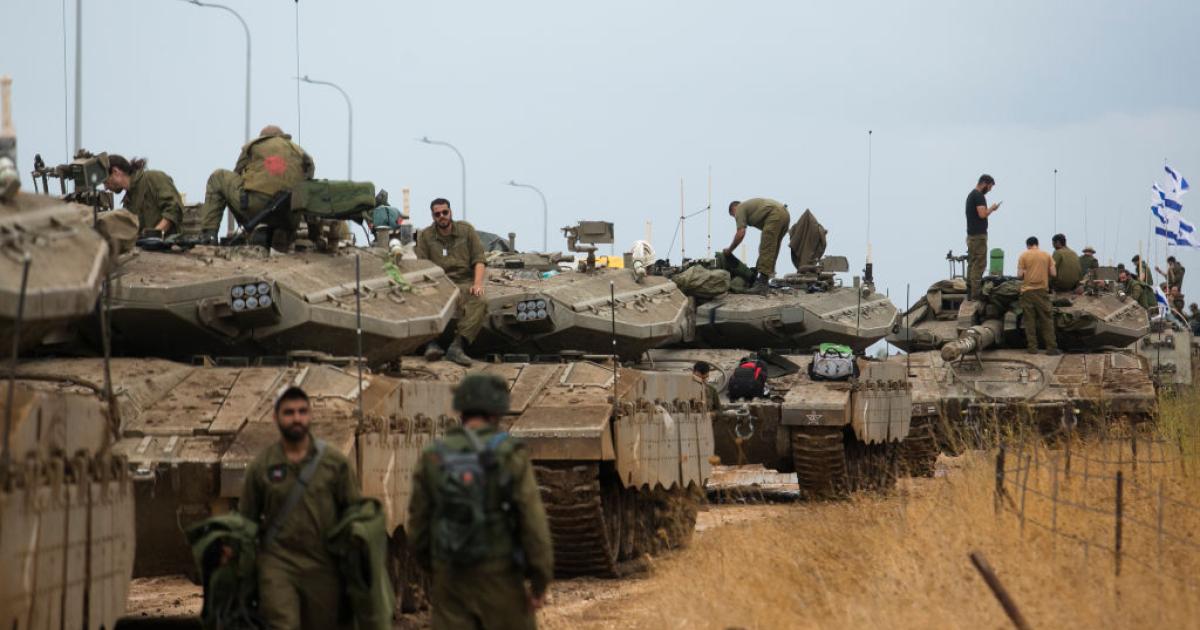
Security officials describe the current situation as a 'strategic trap' with no immediate way out, as American pressure prevents any broad military initiative. At the same time, military leaders believe that withdrawing from southern Lebanon at this stage would be an explicit admission of defeat to Hezbollah, which the government rejects.
Despite prior warnings, it appears that the Israeli army has not developed effective technical solutions to counter the swarms of drones that constantly penetrate its airspace. Soldiers in the field are currently forced to resort to primitive and improvised means, such as installing iron nets around military sites to prevent suicide drones from crashing into buildings and vehicles.
For their part, military analysts believe that Hezbollah has succeeded in discovering and cleverly exploiting structural weaknesses in Israeli defenses. Military units deployed in southern Lebanon question the utility of their presence given the strict restrictions imposed by the new US administration, which weakens morale and deterrence capability.
Regarding the Iranian file, there appears to be a divergence of views between Netanyahu and Trump on the timing and method of dealing with Tehran. While Netanyahu aspires to a rapid and comprehensive escalation, Trump tends to seek political exits and agreements that ensure calm in the Gulf region without sliding into a wide regional war.
Intelligence reports indicate that Israel is partially excluded from the behind-the-scenes secret negotiations that Washington is conducting with regional and international parties. This ambiguity raises great concern in Tel Aviv, where officials fear the conclusion of understandings that do not meet Israel's minimum security demands related to the Iranian nuclear program.
A third scenario discussed by senior officials in Israel is a return to a state of 'calm for calm' without a formal agreement or military resolution. This option, although considered a 'necessary evil' by some, leaves Israel the opportunity for future military action if Iran continues to develop its strategic capabilities.
In a related context, press sources revealed that the cancellation of Netanyahu's scheduled visit to Washington next week came at the implicit request of the White House. It appears that the Trump administration prefers to manage current crises away from the noise of direct meetings with Netanyahu, to avoid any political complications that his presence in Washington might impose.
The Israeli government is currently trying to limit the ceiling of negotiations with Lebanon to a specific period not exceeding three weeks, as a condition for continued restraint. Israel has informed the American side that it will return to its original military plan and escalate strikes deep into Lebanon if tangible results are not achieved within this deadline.
Domestically, Netanyahu faces increasing political pressure with a decline in his popularity in recent opinion polls, which clearly showed his rivals surpassing him. This decline comes at a sensitive time before the general elections, raising speculation about the possibility of him resorting to escalatory options to escape his political and judicial crises.
Political circles speak of efforts led by Israeli President Isaac Herzog to reach a deal that would end Netanyahu's trial in exchange for his permanent retirement from political life. This initiative aims to end the severe internal division and provide an 'honorable' exit for Netanyahu that guarantees him a general pardon away from the courts.
In conclusion, Israel finds itself in a critical transitional phase characterized by a loss of strategic initiative and dependence on decisions from the White House. With the continued threat of drones and escalating international pressure, the question remains about Netanyahu's ability to maneuver amidst the erosion of his domestic legitimacy and the changing priorities of his biggest ally in Washington.
We are in a strategic trap; we cannot withdraw from southern Lebanon because that would be an admission of loss, and we cannot advance because Trump is holding us back.

Share your opinion
Trump Imposes Restrictions on Netanyahu: Israel Faces Strategic Dilemma in Lebanon and Iran