







The results of a recent public opinion poll in the occupying state revealed a growing sense of pessimism regarding current military and political paths. The poll, conducted by the Institute for National Security Studies at Tel Aviv University, indicated that 61% of respondents oppose the recent ceasefire agreement with Iran, reflecting a desire for continued direct confrontation.
The data revealed a sharp decline in the Israeli public's confidence in the effectiveness of attacks directed against Tehran, especially concerning the actual extent of damage inflicted on Iranian capabilities. While the percentage of optimists regarding the weakness of the Iranian regime was 69% at the beginning of the confrontation, this percentage has dropped to only 31% at present.
Regarding field achievements, sources reported that only 37% of Israelis express complete satisfaction with what the army has achieved in recent confrontations. On the political front, the gap appears deeper, as the percentage of those satisfied with the government's diplomatic and political performance did not exceed 23%, which indicates a real crisis of confidence.
A state of anticipation prevails regarding the future of the conflict, as about 73% of survey participants believe that Israel will find itself compelled to launch a new military operation against Iran within one year. Also, 76% of the public believe that the strategic goals set by the government for the war will not be achieved through the anticipated negotiation table.
On the northern front, the Israeli position remains tough, with 69% of respondents expressing support for the continuation of military operations against Hezbollah in Lebanon. This support comes despite significant doubts among 62% of the public about the ability of this campaign to secure the northern borders and provide long-term security stability.
The poll also monitored a deterioration in the general feeling of national security among Israelis, with the percentage of those who describe the security situation as good decreasing from 38% at the beginning of the war to 29% currently. In contrast, the percentage of those who assess the security situation as bad has increased, amid continued rocket barrages and a state of attrition on multiple fronts.
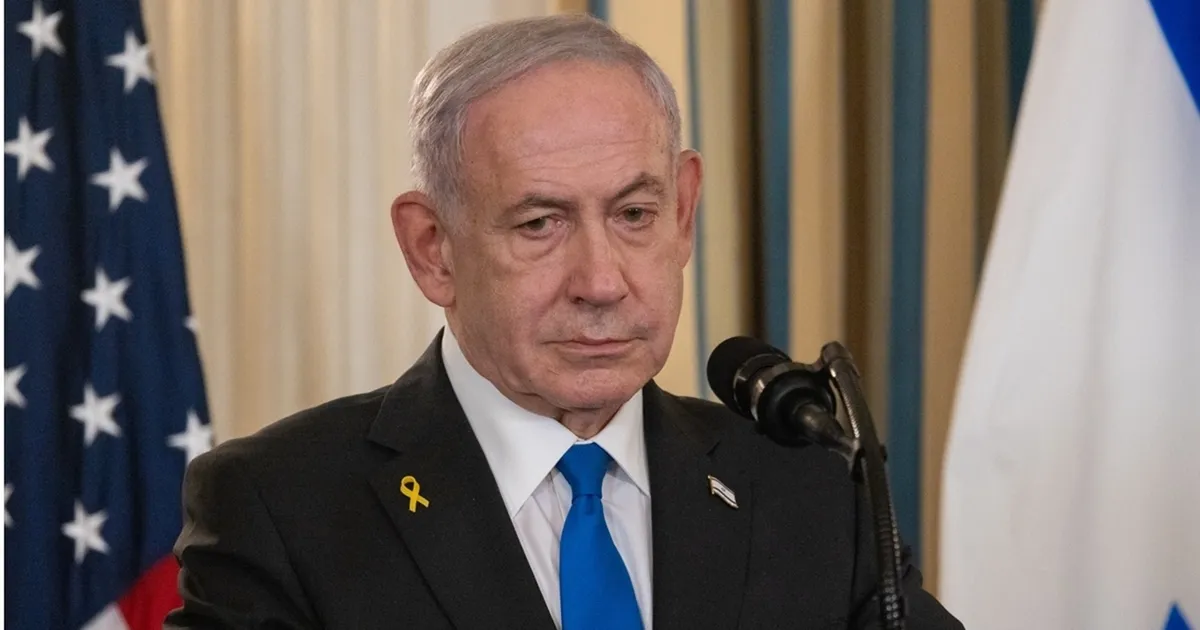
As for the political leadership, the results confirmed the continued low popularity of the ruling coalition, with Benjamin Netanyahu receiving the trust of only 32% of the public. These figures reflect the sharp polarization between the coalition and opposition camps, with a relative consensus on the government's weak performance in managing complex war files.
According to the report, the Israeli public now defines threat priorities differently, with the Lebanese front topping the list of concerns at 84%. Iranian threats came in second place at 82%, placing additional pressure on the military establishment to deal with these files simultaneously.
An analytical reading of the poll results indicates a wide gap between the high expectations set by the leadership at the beginning of the war and the field reality experienced by settlers. This disparity has led to a state of uncertainty regarding the final strategic outcomes of the ongoing conflicts in Gaza, Lebanon, and Iran.
The poll concluded that the general mood in Israel is complex, combining broad support for the military establishment in its field operations with deep skepticism about the political leadership's ability to translate these operations into lasting political gains. Fears of a comprehensive regional war loom on the horizon with increasing conviction of the failure of diplomatic solutions.
76% of Israelis estimate that the war's objectives will not be achieved within the framework of anticipated negotiations, amid a sharp decline in the feeling of national security.



Share your opinion
Israeli Poll: Majority Opposes De-escalation with Iran and Doubts Victory