







The occupying state is facing a escalating diplomatic crisis in the United States, with reports indicating a tangible deterioration in its standing not only within the traditional Democratic camp but also among Republicans. Observers believe that the current far-right government's continued policies could lead to irreparable damage to the strategic relations between Washington and Tel Aviv.
Shlomo Shamir, an expert on American affairs, affirmed that discussing the unprecedented decline in American support has become an urgent necessity that cannot be overlooked. Shamir warned against complacency with the relationship with Donald Trump, pointing out that profound shifts in American public opinion transcend fleeting personal alliances.
Political analyses show a fundamental difference in the nature of support between the two parties; while Democrats historically considered sympathy for Israel part of their political identity, Republicans base their support on political calculations and changing interests. This distinction still exists and directly affects how decisions are made in Washington regarding Middle East issues.
Concern prevails in Israeli circles regarding prominent Democratic figures such as Senator Bernie Sanders, who is described in Israeli right-wing circles as hardline towards the occupation policies. Gavin Newsom, the Governor of California, also stands out as an ambitious presidential figure who holds sharply critical stances towards current Israeli practices.
On the Republican side, fears are escalating regarding the influence of figures like Steve Bannon and J.D. Vance, with the latter being viewed as a serious threat due to his stances described as hostile towards Israel. Vance has succeeded in removing figures who were considered bridges for communication with Tel Aviv, such as Jared Kushner, from decision-making circles.
Recent parliamentary statistics indicate a worrying shift, with 40 Democratic senators supporting a resolution to postpone the sale of heavy military equipment to the occupation. Additionally, 36 other members voted in favor of preventing the sale of bombs, reflecting a growing gap between the American administration and the legislative base of the Democratic Party.
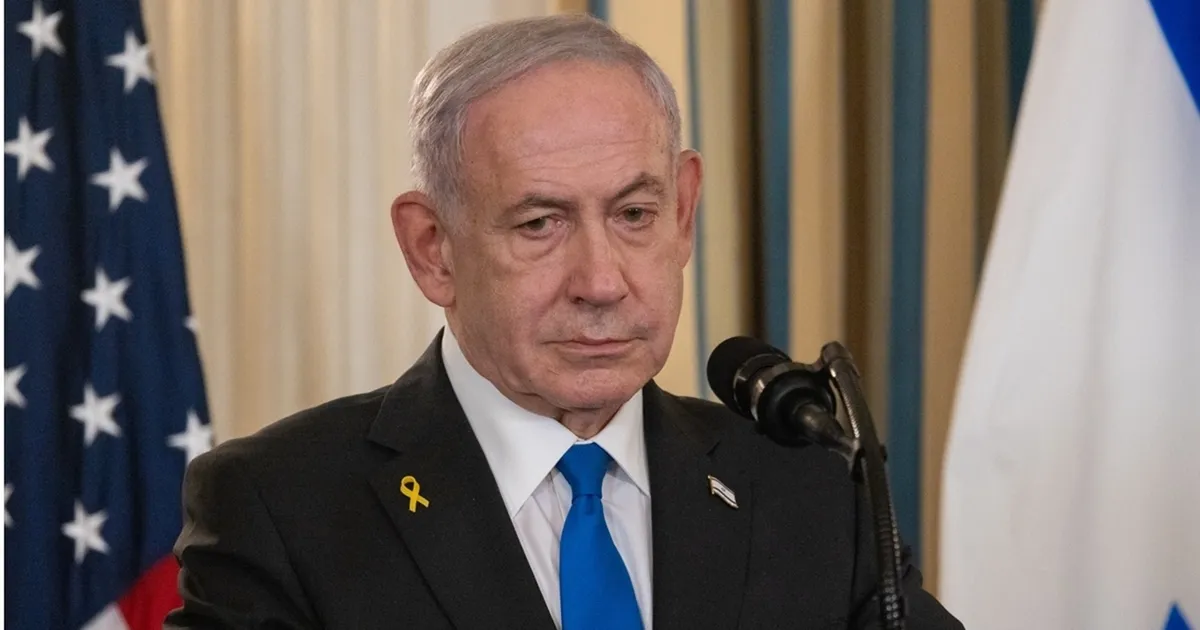
Israeli sources accuse Benjamin Netanyahu's government of political blindness towards internal developments in the United States, where Trump is portrayed domestically in Israel as an absolute ally while facing sharp criticism from senior Republicans. This disparity in vision reflects a detachment from the diplomatic and moral reality currently experienced by Washington.
Analysts believe that the presence of ministers like Itamar Ben-Gvir and Bezalel Smotrich in decision-making positions distorts Israel's image unprecedentedly in Western capitals. These ministers represent, for the international community, an extremist face that is difficult to defend, weakening the position of Israel's defenders in international forums.
Ari Yoff, head of the Jewish Reform Movement, explained that American support has reached its lowest historical levels, considering Netanyahu a significant part of this dilemma. He pointed out that American public opinion now links Netanyahu personally with Israel as a single entity, which intensifies the criticism directed at the state as a whole.
Political circles criticize the lack of Israeli awareness of the negative impact the current government has on the international stage, especially in Washington, which is considered the most important ally. This failure is attributed to the ruling coalition's insistence on pursuing ideological agendas that clash with the democratic values claimed by the American administration.
There is a significant gap in Israeli diplomatic action, as opposition leaders are absent from the American scene and do not make sufficient effort to communicate with Jewish communities or community activists. This absence leaves the field open for a narrative that fully links Israel to the policies of the Likud and the far-right.
Reports confirm that the current American criticisms are not directed against Israel's existence per se, but against the policies of the current government and its pivotal figures. However, the continuation of this approach may gradually lead to a shift in criticism from the governmental level to the existential and legitimate level.
Experts believe that restoring traditional support in the United States requires a radical change in Israeli political leadership and its replacement with a more rational government. They believe that the upcoming elections may be the last chance to mitigate the damage caused by the current government's policies and rebuild bridges with both parties.
In conclusion, it appears that the imbalance in American support is no longer merely a fleeting phenomenon associated with a rebellious young generation, but has become an institutional trend permeating centers of power. Israel remaining hostage to internal political whims may cost it the loss of the most important international cover it has enjoyed for decades.
The decline in support for Israel is not limited to Democrats but is also increasing among Republicans, which carries dire political and moral consequences.




Share your opinion
Erosion of American Support for the Occupation: Israeli Fears of Democratic and Republican Shifts