






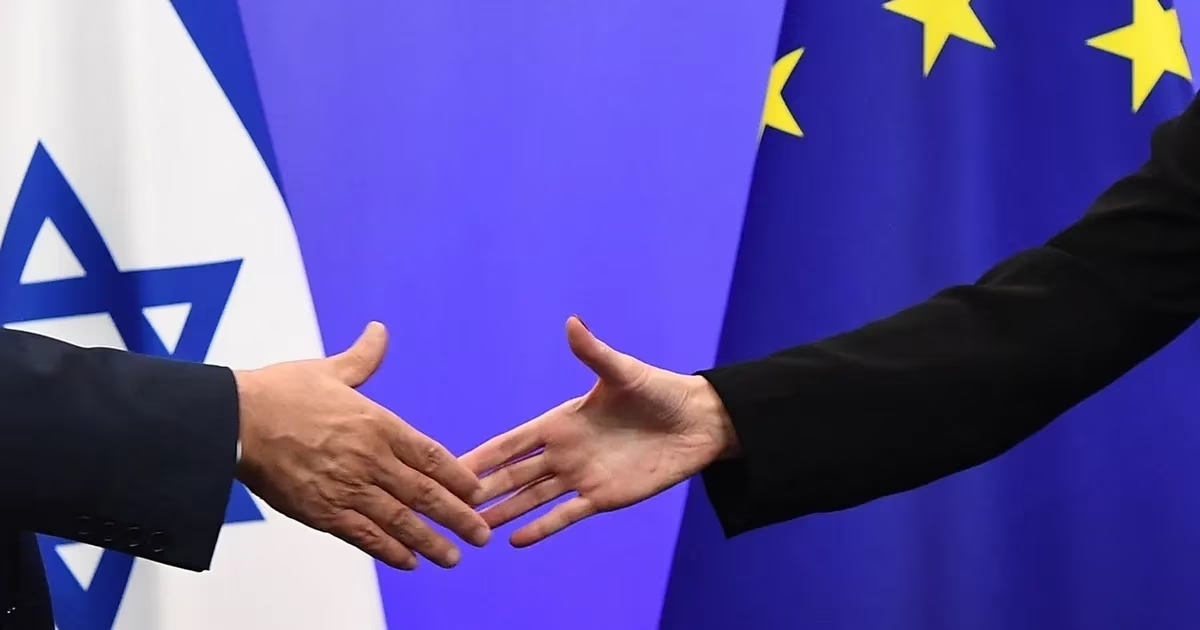
A state of anxiety is escalating within Israeli political and diplomatic circles due to what is described as increasing isolation on the European continent, where anti-occupation stances are no longer mere fleeting events but have transformed into a structural context. Observers believe that years of crimes committed against Palestinians have led to growing waves of popular solidarity that have begun to exert their weight on the decisions of official European governments in an unprecedented manner.
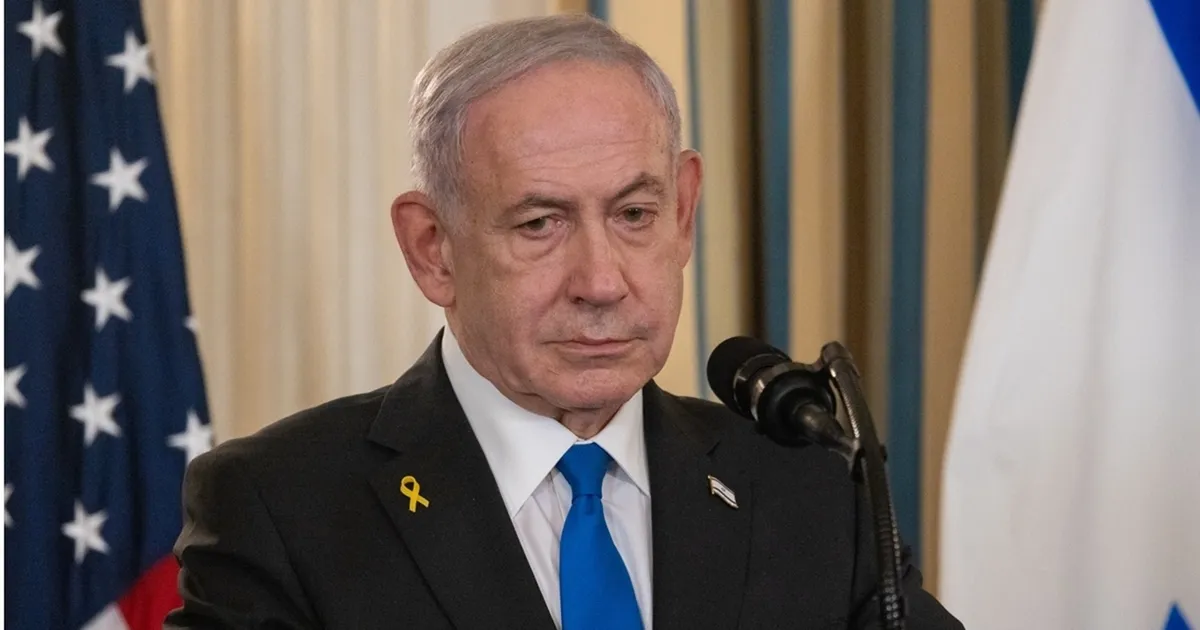
In this regard, former Israeli Ambassador to Washington, Michael Oren, stated that monitoring anti-Tel Aviv European actions has become exhausting due to their intensity and frequency. Oren pointed out that the recent decision by Italian Prime Minister Giorgia Meloni to suspend the defense treaty with Israel represents a devastating blow, especially since Meloni was considered one of the closest remaining allies on the continent.
Oren explained in an analysis published by Hebrew media that the Italian move comes within a series of punitive measures that included suspending arms sales and preventing Israeli companies from participating in major defense exhibitions. He also noted that the recognition of a Palestinian state by several European countries reflects a radical shift in the political stance of the continent, which was historically more balanced in Middle East conflicts.
Tension between the two sides peaked in February 2026, coinciding with joint US-Israeli airstrikes targeting facilities in Iran. Although European criticism initially focused on the administration of President Donald Trump, European leaders showed remarkable firmness by refusing to use military bases or European airspace to carry out these attacks.
European stance was not limited to military aspects but extended to include sharp political condemnations from prominent leaders such as Spanish Prime Minister Pedro Sánchez. Sánchez described Israeli operations as intolerable criminal acts, calling for a comprehensive international trade boycott of Israel to pressure it to stop its aggressive policies.
For his part, French President Emmanuel Macron joined the front of critics, condemning what he described as indiscriminate attacks launched by Israeli forces on Lebanese territories. Sources indicated that French discourse has almost entirely ignored the threats facing northern settlements, focusing exclusively on the humanitarian consequences of Israeli military operations.
The former Israeli diplomat believes that this hostility cannot be separated from the desire of some Europeans to evade historical responsibility for the Holocaust by accusing Israel of committing genocide. He considered that accusing Israel of ethnic cleansing against Palestinians has become a convenient way for some governments to overcome the historical guilt complex towards Jews.
In light of this reality, Oren stressed the necessity for Israel to begin a national strategy to gradually and thoughtfully reduce its dependence on Europe in the coming years. He called for shifting the compass of foreign policy eastward, specifically towards the rising powers in Asia that do not impose complex political or moral conditions in their bilateral relations.
The proposed vision includes strengthening strategic alliances with India and other Asian countries, in addition to diversifying partnerships in the African and South American continents. Proponents of this approach believe that these regions offer immense economic and security opportunities away from the pressures of European parliaments and human rights organizations that pursue Israeli officials.
Despite the call for political rupture, analysts suggest maintaining technological and economic communication channels with a limited number of countries that still show some degree of friendship, such as Germany, Bulgaria, and Greece. However, this cooperation should remain confined to technical frameworks without relying on these countries as political allies in major crises.
The shift eastward requires a complete reformulation of the Israeli diplomatic system that has invested for decades in Western capitals. Observers emphasize that the failure to convince European public opinion of the justice of the Israeli narrative necessitates seeking alternatives in geographical spaces that still view Israel from a purely pragmatic interest perspective.
Reports indicate that the security establishment in Tel Aviv has already begun studying the long-term implications of losing European support, especially in the fields of scientific research and intelligence exchange. However, the move towards India and Africa remains fraught with challenges due to strong international competition and extensive Chinese and Russian penetration in those regions.
Ultimately, it seems that the Israeli political elite has begun to accept the idea that the 'golden age' of relations with Europe has irrevocably passed. Oren cites the Italian artist Andrea Bocelli's saying that there is a time for welcoming and a time for farewell, emphasizing that the moment of political farewell to the old continent has indeed arrived.
This strategic shift, if officially adopted, would represent the biggest change in Israeli political doctrine since the establishment of the state, moving from being a 'Western outpost' in the Middle East to an entity seeking its legitimacy and alliances deep within the Asian and African continents.
It is time to literally change direction eastward, and reduce our dependence on a continent that is no longer a trustworthy ally.




Share your opinion
Israeli Calls to Disengage Strategically from Europe and Turn Eastward