







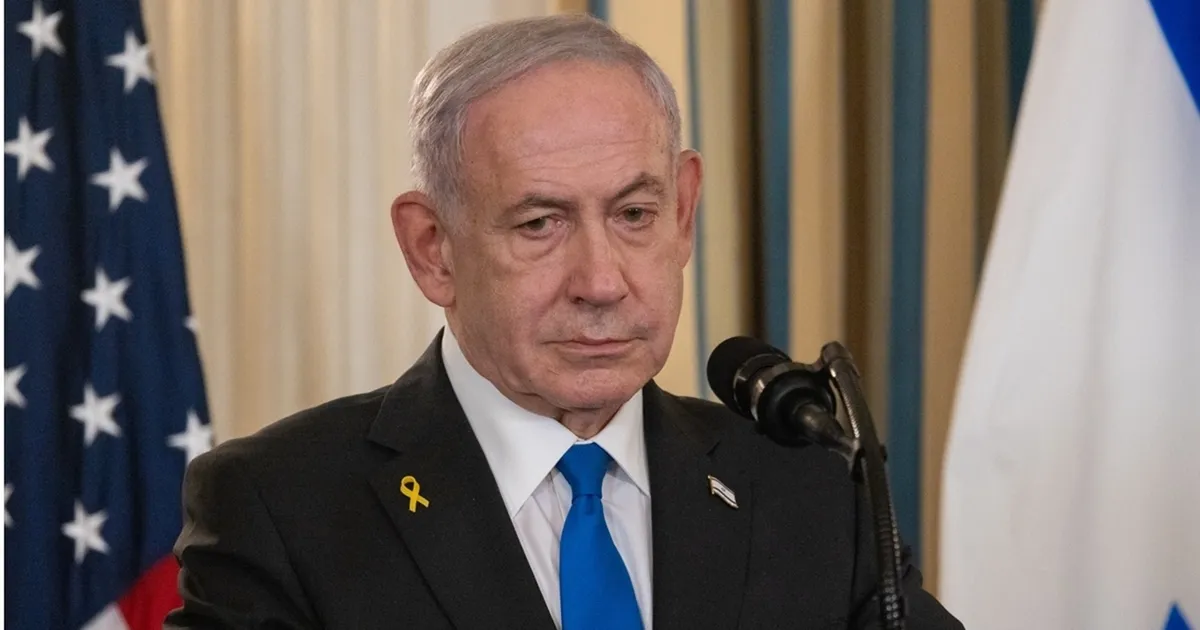
Israeli Prime Minister Benjamin Netanyahu finds himself in a complex position, striving to market the results of recent military operations as historic achievements, yet clashing with the absence of the decisive 'victory image' he accustomed his public to. Despite his desire to leverage rapprochement with the American administration for internal political gains, the reality on the ground dictates a different, ambiguous, and uncertain pace.
Political readings indicate that Netanyahu aspired to capture commemorative photos reflecting absolute strategic superiority, such as controlling nuclear facilities or completely neutralizing Iranian missile capabilities. However, the absence of these scenes has made it difficult for the Likud party to fully regain its momentum in opinion polls, with recent data showing a slight decline in the number of projected seats compared to previous periods.
In contrast, Netanyahu's popular base appears surprisingly solid, as statistics indicate that the vast majority of government coalition supporters still trust his management of security crises. This internal satisfaction gives the Prime Minister room for maneuver despite sharp criticism from international and local parties regarding the war's outcomes, which have not achieved all their stated goals.
On the far-right, a striking silence emerges from ministers like Itamar Ben-Gvir, who previously threatened to dismantle the government at any military setback. This absolute silence regarding ceasefire agreements or the failure to achieve 'absolute victory' raises questions about the internal understandings that ensure the coalition remains cohesive despite strategic failures.
In the Israeli street, a state of confusion prevails regarding the identity of the victor in these repeated rounds, with media sources reporting that nearly half of those surveyed believe it is still too early to judge the results. These figures reflect a significant gap between official government rhetoric and the feelings of settlers in the north who continue to suffer from the consequences of displacement and instability.
The Israeli opposition, led by Yair Lapid, tried to exploit this void by directing scathing criticism, describing the current results as strategically the worst in decades. However, observers believe that the opposition is still unable to present a convincing alternative or mobilize the street in a way that leads to real political change, which keeps Netanyahu in a position of power despite the erosion of his image.
Other opposition leaders, such as Benny Gantz, show more cautious and calm stances, perhaps awaiting an opportunity to join an emergency government or form new alliances if the situation escalates. This divergence in the opposition's performance disperses efforts to pressure the government and gives Netanyahu additional time to arrange his internal affairs away from the pressures of early elections.
The issue of the 'conscription law' stands out as one of the political landmines that could ignite the internal situation at any moment, as the opposition seeks to focus its attack on this sensitive file. Analysts believe that focusing on civil and social issues may be more fruitful for the opposition than criticizing military results, which many agree are complex and difficult to resolve.
From a military perspective, it cannot be denied that Israel has inflicted severe damage on its adversaries' armament capabilities, but the continued existence of missile and nuclear threats makes any talk of 'final victory' questionable. This reality puts Netanyahu in constant confrontation with public questions about the utility of continuing operations without reaching a decisive outcome that changes the geopolitical reality.
Given these facts, it seems that Netanyahu has no incentive to bring forward the election date, as long as the opposition does not have a clear 'image of failure' through which it can overthrow him. He is banking on the time factor and his ability to manage contradictions within his coalition, benefiting from the state of uncertainty that dominates the entire region.
Residents of the northern and southern regions represent the weakest link in this political conflict, as their businesses collapse and their daily lives are directly affected without a clear time horizon for a solution. These represent the 'heart' that some political leaders spoke of as an urgent need for Israeli leadership in the next phase, away from narrow partisan calculations.
The absence of direct negotiations between major powers and regional parties further complicates the scene, making it difficult to predict an imminent end to this state of 'no war, no peace.' In this vacuum, Netanyahu continues to practice his favorite political hobby of staying in power by managing crises instead of solving them, relying on the disunity of his opponents.
In conclusion, the 'victory image' remains the missing currency in current Israeli politics, an image Netanyahu needs to restore his popularity, and the opposition needs to prove his failure. Between these two, Israeli society remains hostage to political decisions governed by calculations of personal and coalition survival, at a time when security and economic challenges are increasing.
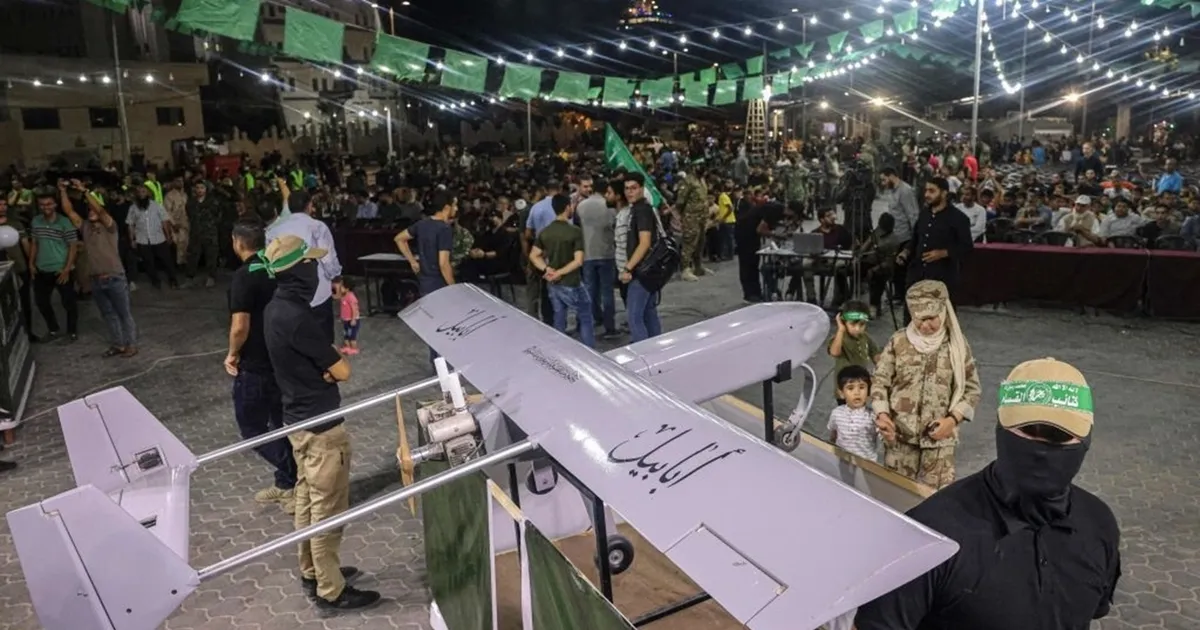
The next phase will witness strenuous attempts by all parties to reshape the narrative about what happened in the war, as each party will seek to impose its vision on the Israeli voter. Issues such as conscription and the economic situation of reserve soldiers will play a crucial role in determining the features of the upcoming political map, away from the roar of explosions and images of missiles.
The problem lies in Netanyahu's lack of a victory image; if he had something to wave, he would celebrate the ceasefire with charts and fireworks.



Share your opinion
The 'Victory Image' Dilemma: How War Reshapes Israel's Political Map?