






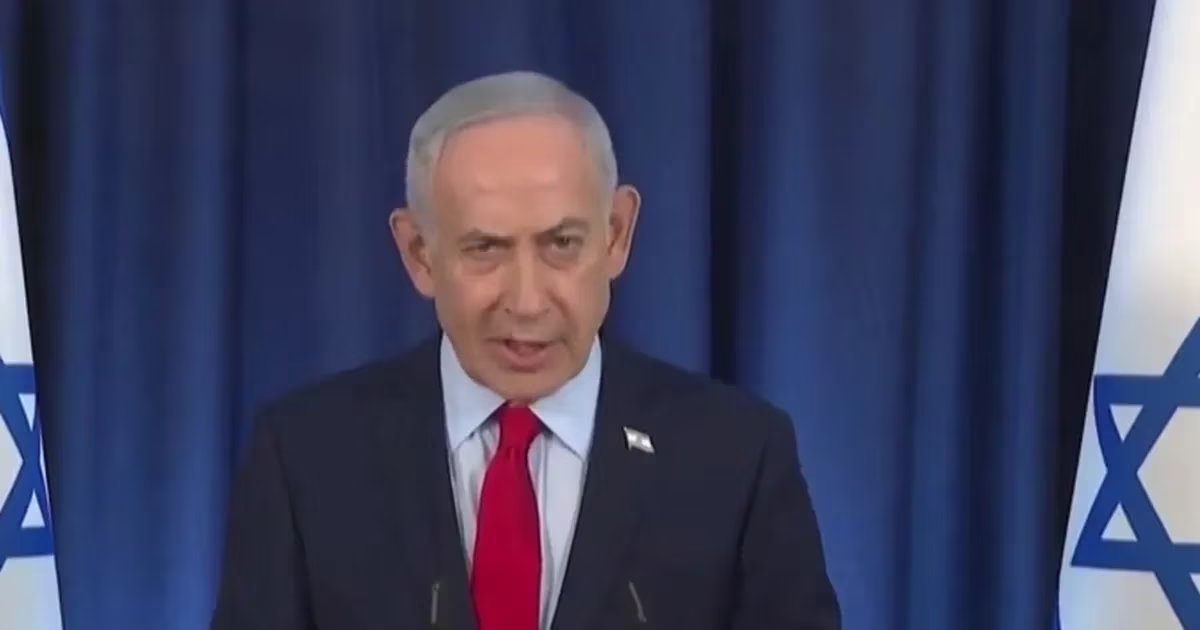
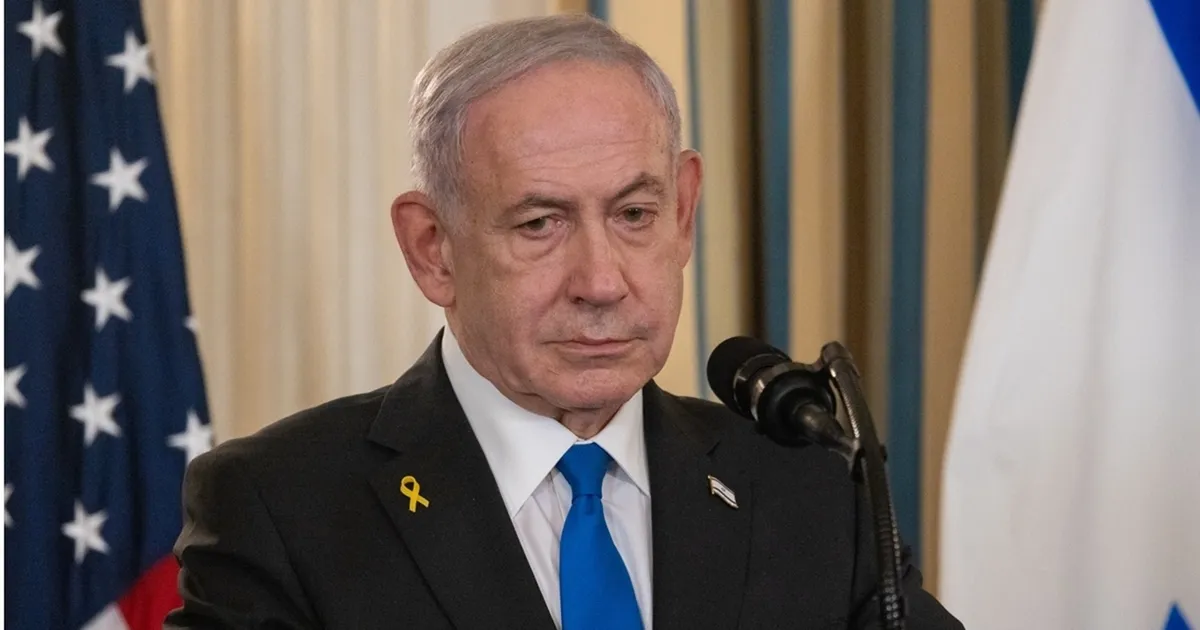
Israeli Prime Minister Benjamin Netanyahu finds himself today facing a complex political and military reality, following the American President's sudden announcement of a two-week suspension of attacks on Iran. This decision, taken by Washington without prior consultation with Tel Aviv, sparked a wave of concern in Israeli circles about the utility of the heavy costs paid during the recent confrontation.
Analytical sources reported that Israel, despite its use of excessive military force, failed to achieve a decisive resolution that would eliminate what it describes as the 'Iranian threat'. Observers believe that Trump's announcement of the agreement, which was drafted away from the closed rooms in Tel Aviv, reflects a clear American desire to avoid sliding into a comprehensive regional war that does not serve Washington's current interests.
In this context, political analyst Aidan Kivlar pointed out that the emergence of JD Vance, the US Vice President, represents a 'new nightmare' for Netanyahu and his ambitions. The new trends in the White House seem more inclined towards de-escalation, which was clearly evident in the sharp drop in oil prices immediately after the announcement, strengthening Trump's political position domestically.
A state of skepticism prevails within the Israeli security and political establishment regarding the leaked terms of the agreement, especially since they focused on secondary issues such as navigation in the Strait of Hormuz. Critics believe that ignoring fundamental issues, such as uranium enrichment and ballistic missiles, empties Israeli military operations of their strategic content promoted by Netanyahu.
Despite official statements attempting to show full coordination between the two sides, behind the scenes reveals a deep gap in visions between the Trump administration and the right-wing government in Israel. Netanyahu had hoped for continued military pressure until the complete collapse of the Iranian regime, which was not achieved in the current form of the agreement.
Sources clarified that Iran succumbed to the demand to open the Strait of Hormuz after its infrastructure suffered severe blows, but this achievement is not enough for Israel, which fought the war for much broader goals. The current negotiations do not seem promising regarding the dismantling of the nuclear program, which puts Netanyahu in an embarrassing position before his right-wing public.
Reports indicate that Netanyahu ultimately realized that the political fate of his wars was linked to Trump's decisions, who seeks to achieve quick gains before the midterm elections. This realization reduced the room for maneuver available to the Israeli Prime Minister, who finds himself unable to openly oppose his strongest ally in the White House.
On the military front, Israel achieved successes in reducing Iranian missile capabilities and damaging vital facilities, but the cost was catastrophic on the home front. Missile barrages caused widespread destruction of homes and casualties, in addition to significant human losses among soldiers during ground operations in Lebanon.
Analysts believe that Israel has once again reached 'ground zero' or an intermediate state that is neither a resounding victory nor a crushing defeat. This strategic reality raises questions about the utility of the sacrifices made, as long as the Iranian regime still exists and possesses its uranium stockpile and missile capabilities.
Furthermore, the challenge posed by JD Vance stands out, as studies have shown that his popularity is rising among a public that does not prioritize Israel. Vance's sarcasm directed at Netanyahu regarding the possibility of overthrowing the Iranian regime reflects a shift in the political mood within the Republican Party itself.
The ceasefire, which also included the Lebanese front, means a return to cautious calm without resolving the outstanding issues that led to the outbreak of the confrontation in the first place. This situation puts Netanyahu under double pressure; from the internal opposition accusing him of failure, and from the American ally dictating its own pace.
Netanyahu is currently trying to cover up his disappointments through a mobilization speech aimed at boosting the morale of his right-wing camp, despite his awareness that strategic threats have not dissipated. The public, who was promised 'overwhelming victory', finds itself today facing a de-escalation agreement that returns things to what they were before the recent escalation.
With elections approaching in both Israel and the United States, narrow political calculations become the primary driver of major decisions. Trump wants to present a diplomatic achievement that ends the exorbitant cost of the war, while Netanyahu fears that halting the war will open internal accountability files regarding its results.
In conclusion, it seems that the next phase will witness a silent struggle between Tel Aviv and Washington over the details of the final agreement with Iran. While Washington seeks to close this file, Israel insists that any agreement that does not guarantee the complete dismantling of Iranian nuclear capabilities is merely a postponement of a coming and more fierce conflict.
Israel has once again reached an intermediate point: not a clear victory, nor a complete defeat, but another round ending without a fundamental change in the strategic reality.



Share your opinion
Netanyahu's Predicament: How Trump Surprised Israel by Halting the War with Iran?