






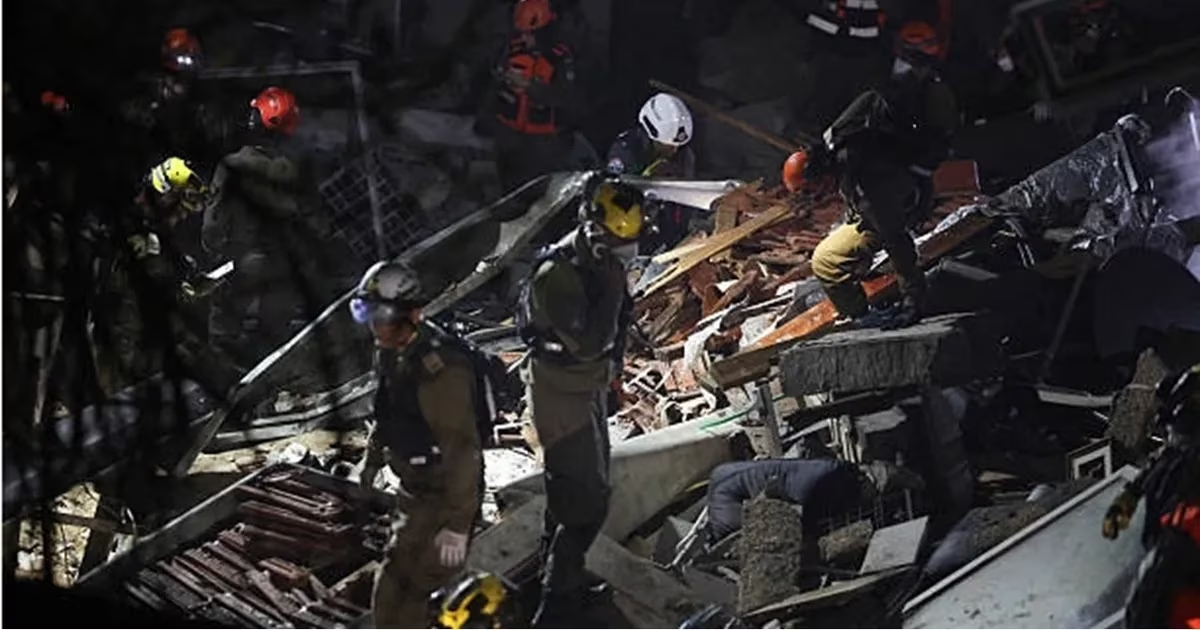
Hebrew press reports revealed today, Wednesday, the extent of the severe damage inflicted on infrastructure and buildings inside Israel since the outbreak of military confrontation with Iran on February 28th. Sources confirmed that more than five thousand buildings were completely or partially destroyed as a result of missile barrages and drones targeting various locations.
These admissions come amidst a policy of media blackout and strict military censorship imposed by the occupation on its real losses resulting from attacks coming from multiple fronts, including Iran, Lebanon, and Yemen. Sources indicated that estimates point to dozens of deaths among soldiers and settlers, in addition to hundreds of injuries that have not been fully documented in independent reports.
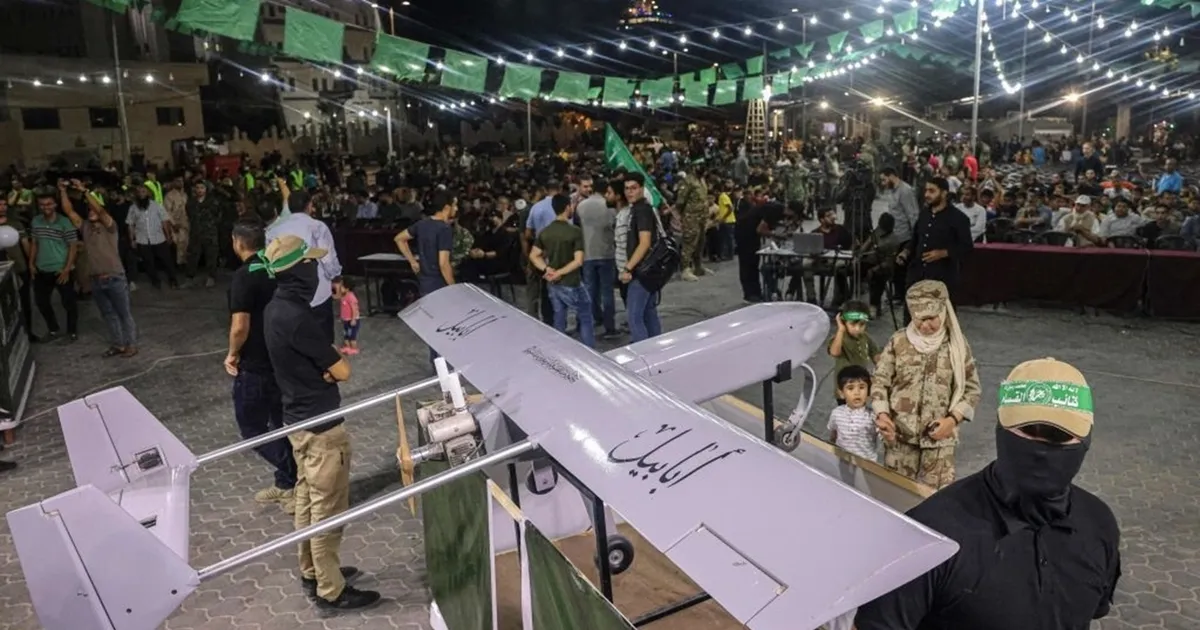
In details of the military operations, press statements mentioned that Iran launched approximately 670 missiles and 765 suicide drones towards Israeli targets since the escalation began. These intensive attacks led to a state of confusion in air defense systems, causing a large number of projectiles to reach their vital targets within cities and settlements.
Regarding human losses, medical authorities recorded more than 7,183 Israelis suffering from varying injuries and panic attacks since the outbreak of the war. Authorities were also forced to evacuate more than 6,300 settlers from their homes in threatened areas, transferring them to temporary shelters amidst ongoing cross-border missile threats.
Economically, the Israeli entity faces a severe crisis described by sources as a heavy price due to the near-total shutdown that paralyzed commercial and industrial activity. The state of constant alert and disruption of supply chains led to a sharp decline in economic indicators, increasing internal pressure on the government to seek political solutions to the current crisis.
In a surprising political development, US President Donald Trump announced early Wednesday a decision to halt military strikes against Iran for two weeks. Trump conditioned the continuation of this decision on the full and immediate opening of the Strait of Hormuz to international navigation, emphasizing the necessity for the ceasefire to be mutual and binding on both parties to ensure regional stability.
Trump's announcement came shortly before the expiration of a deadline he had given Tehran to accept a new agreement or face comprehensive destruction of what he described as 'civilization'. The US move aims to de-escalate military tensions that threatened to ignite a widespread regional war, with a focus on securing vital waterways for global energy.
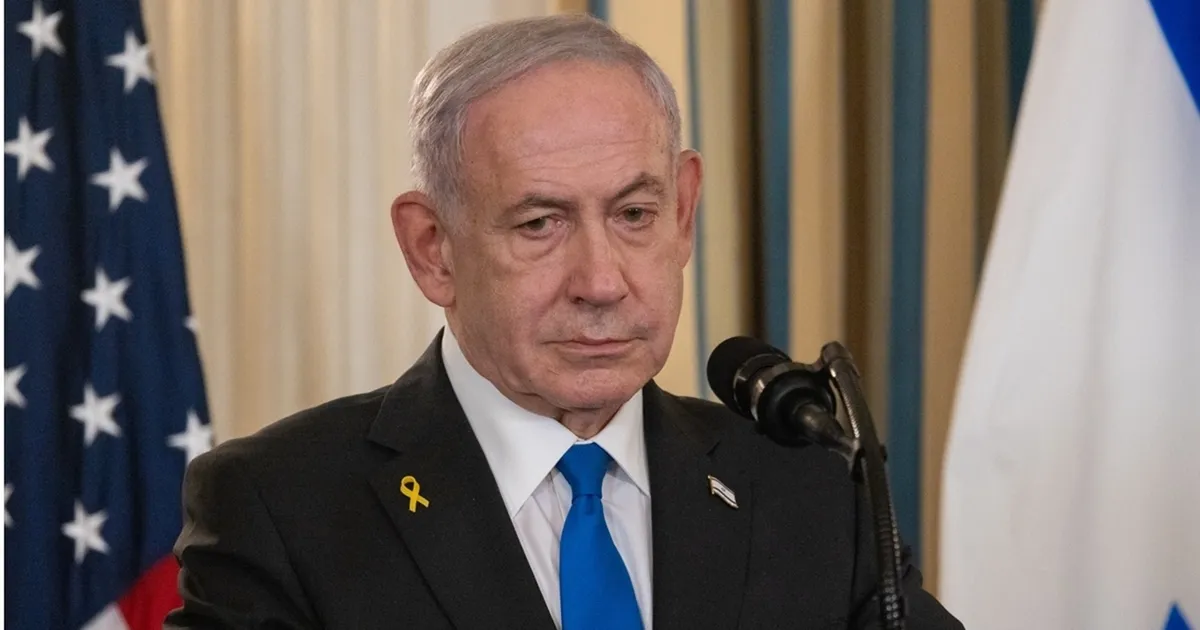
For his part, Israeli Prime Minister Benjamin Netanyahu quickly announced his full support for the US administration's move, considering it to be in the interest of regional security. Netanyahu indicated that Tel Aviv supports all efforts aimed at preventing Iran from acquiring nuclear or missile capabilities that threaten the security of Israel and its Arab neighbors, and international interests in the region.
In contrast, the Iranian government expressed cautious willingness to utilize the proposed truce period to reach final understandings through ongoing negotiations in Pakistan. Official sources in Tehran stated that the goal is to reach a formula that ends the state of war with the United States and Israel during the fifteen-day period specified by the American announcement.
International circles are awaiting the results of these intensive diplomatic moves, at a time when the field fronts are still experiencing cautious tension awaiting the implementation of the truce terms. The Strait of Hormuz issue and mutual security guarantees remain the cornerstone of the success or failure of this initiative, which could change the course of the conflict in the Middle East.
Tel Aviv supports US efforts to ensure Iran does not pose a nuclear, missile, or terrorist threat to the world.



Share your opinion
Heavy Losses in Israel: 5,000 Buildings Damaged and a Conditional US Truce with Iran