






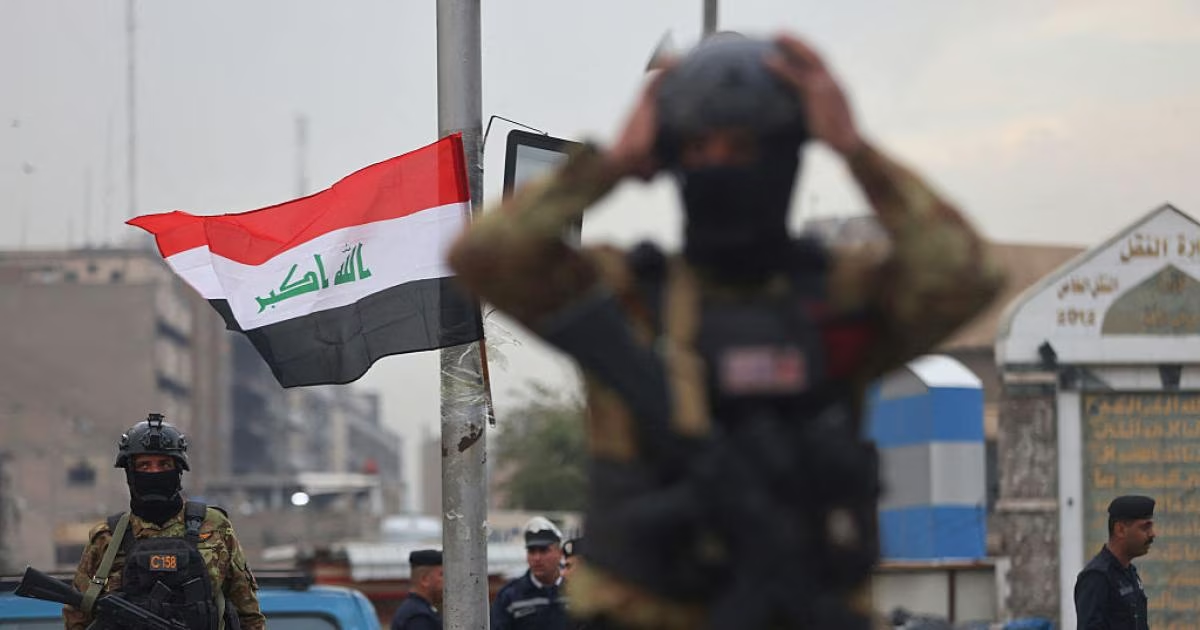
Erbil Governorate, the capital of the Kurdistan Region of Iraq, woke up on Tuesday morning to a new human tragedy, as a civilian couple was killed when an explosive-laden drone fell on their home. Security sources in the region's counter-terrorism apparatus confirmed that the drone came from the Iranian border and fell in the village of Zarka Zawi, affiliated with the Darashakran sub-district.
Erbil Governor Omed Khoshnaw strongly condemned this attack targeting a safe residential area, describing it in official statements as a war crime and a blatant violation of international conventions. This incident comes amidst an unprecedented wave of security escalation hitting the region since the outbreak of direct military confrontations in late February.
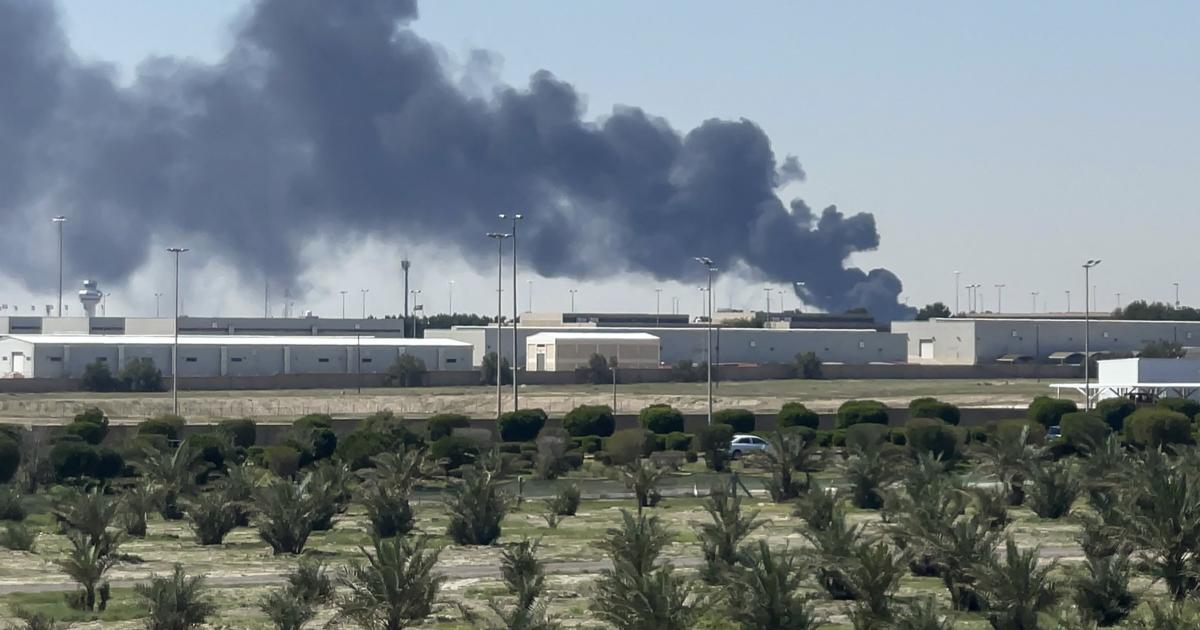
In a related context, field sources reported hearing violent explosions on Monday evening around Erbil International Airport, which houses a base for military advisors of the international coalition. Hours before, air defenses announced the thwarting of a missile attack targeting the US Consulate, where four missiles were shot down before reaching their targets.
The attacks were not limited to diplomatic facilities, as the Ministry of Peshmerga announced that its headquarters was subjected to a coordinated attack by four explosive-laden drones on Monday night. In a statement, the ministry criticized what it described as federal silence, demanding Baghdad take practical and serious steps to deter these repeated aggressions that undermine the region's security.
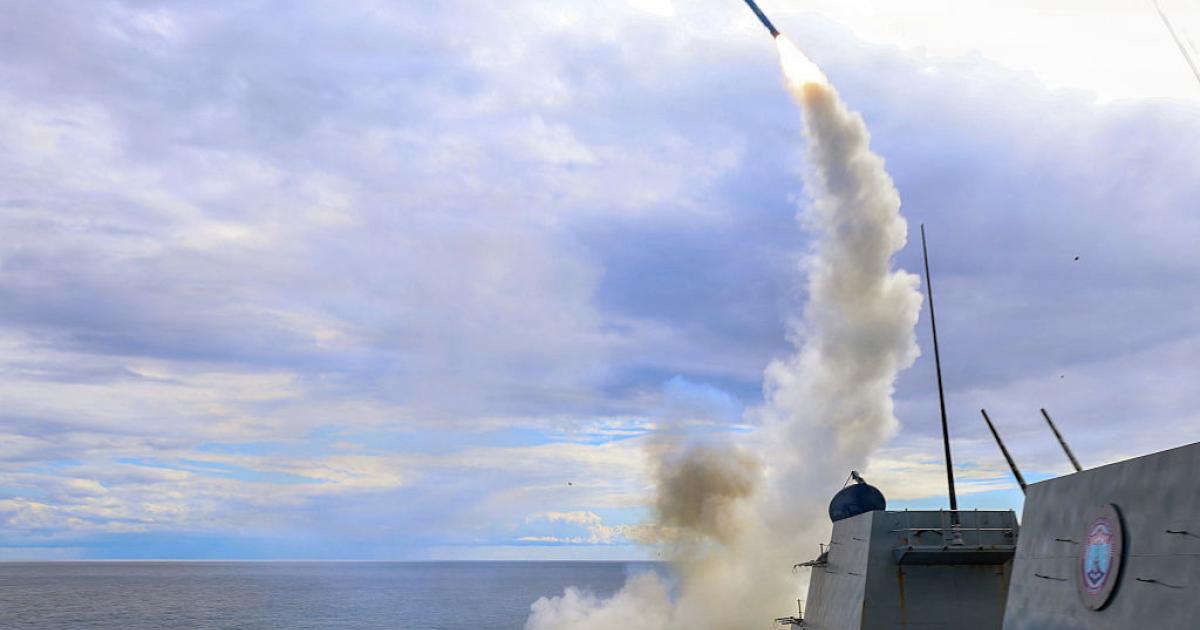
On the southern front, the Saudi Ministry of Defense announced the success of air defense forces in intercepting and destroying seven ballistic missiles that were directed towards the eastern region of the Kingdom. The ministry indicated that the missile debris fell near vital energy facilities, confirming that specialized teams are conducting a precise assessment of the damage caused by the shrapnel.
The spokesperson for the Saudi Ministry of Defense, Major General Turki Al-Maliki, stated that the armed forces continue to confront threats targeting global energy security and civilian facilities. For weeks, the Kingdom has been subjected to intensive missile and drone attacks, with regional parties accused of being behind them to destabilize the region.
Diplomatically, all eyes turn to the corridors of the UN Security Council on Tuesday, where a draft resolution aimed at securing freedom of navigation in the Strait of Hormuz is scheduled for a vote. This move comes after arduous negotiations led by Bahrain with Gulf support to amend the resolution's wording to ensure international consensus against maritime threats.
The latest version of the draft resolution condemns attacks targeting commercial vessels and calls for coordinating international defensive efforts to escort tankers and ensure their safe passage. The text also directly calls on Iran to cease all actions that impede traffic in this vital waterway through which a large portion of global energy supplies pass.
The UN resolution warns that the Council is prepared to take additional stringent measures against any party attempting to undermine freedom of navigation or threaten international trade. These diplomatic moves come at a very sensitive time, as the international community races against time to avoid a full-scale explosion of the situation in the Middle East.
In Washington, US President Donald Trump raised the stakes of his threats, setting a deadline ending Tuesday night for the full reopening of the Strait of Hormuz to international navigation. In statements described as the most severe, Trump threatened to completely destroy Iran if it did not comply with the specified deadline and stop threatening commercial vessels.
The region has been in a state of maximum military alert since the US-Israeli attack on Iranian targets on February 28th. Since then, armed factions in Iraq have been carrying out almost daily attacks targeting what they describe as enemy bases, in response to the strikes their sites have suffered.
Observers believe that the killing of civilians in Erbil and the targeting of energy facilities in Saudi Arabia represent a dangerous shift in the conflict's trajectory, as the human and economic costs have begun to rise significantly. Concerns are growing about the region sliding into a comprehensive regional war whose global repercussions cannot be controlled.
With the Security Council vote approaching and the zero hour set by the White House, anticipation remains the dominant factor in global decision-making capitals. While major powers seek to contain the crisis politically, field developments in Iraq and Saudi Arabia indicate that the language of weapons still dominates the volatile regional scene.
The attack on civilian homes in Erbil constitutes a blatant violation of international law and a full-fledged war crime.


Share your opinion
Bloody Regional Escalation: Deaths in Erbil, Missile Interceptions in Saudi Arabia, and Anticipation of a UN Resolution on Hormuz