






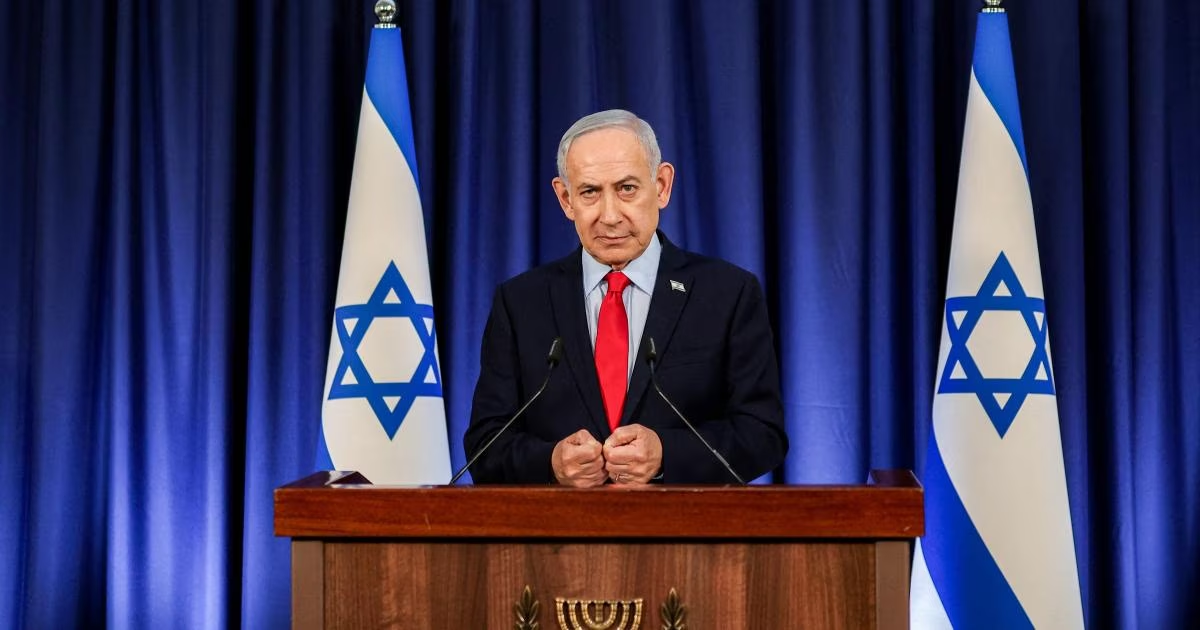
Israeli Prime Minister Benjamin Netanyahu launched a sharp attack on the Israeli Supreme Court, following its decision to allow protest demonstrations rejecting the continuation of the war against Iran. Netanyahu described this measure as 'unbelievable', considering that the judiciary is providing cover for political movements at a sensitive time for the Hebrew state.
Netanyahu's statements came via the 'X' platform the day after protests in Tel Aviv, where Israeli police intervened to forcibly disperse gatherings and arrested at least 17 participants. Press sources reported that clashes erupted in Habima Square, leading to a state of chaos that required urgent intervention by medical teams.
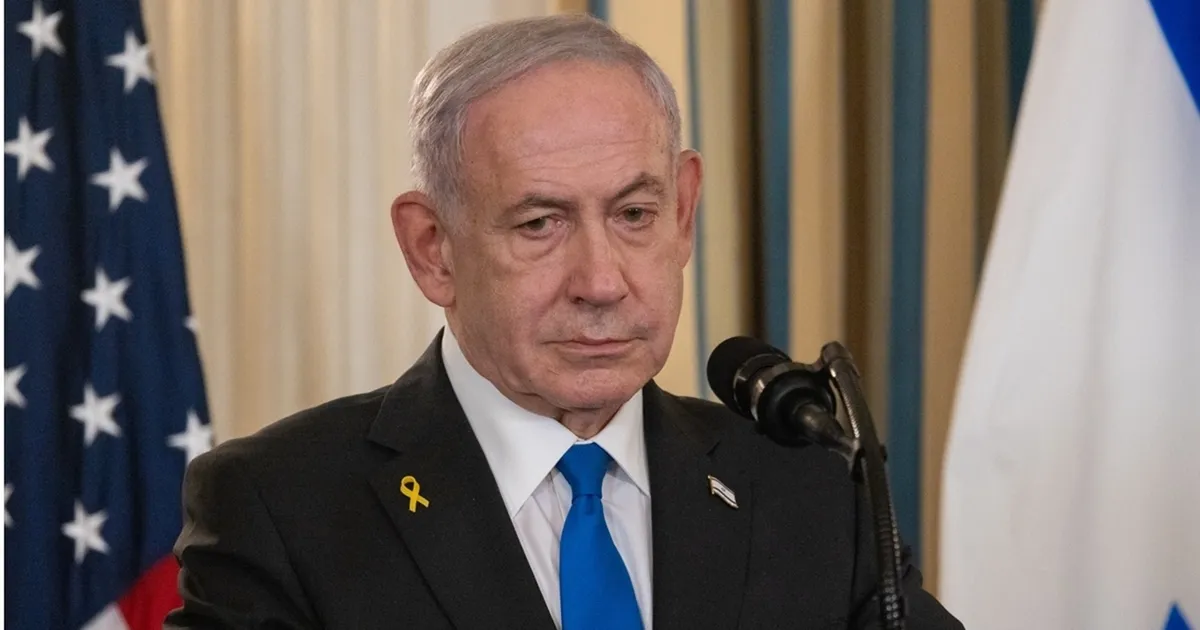
The Israeli Prime Minister used this incident to draw a comparison between freedom of demonstration and freedom of worship, noting that authorities impose restrictions on Jewish prayers at the Western Wall during the Passover holiday. Netanyahu stressed that while freedom of demonstration is guaranteed, it should not overshadow religious rights, which are no less important in the Israeli perspective.
Netanyahu emphasized in his speech that security powers in emergency situations must remain exclusively in the hands of the military establishment, specifically the army's Home Front Command. He clarified that this body is the only one authorized to assess the situation and determine the necessary security arrangements to protect the public, away from judicial interventions that may hinder security operations.
On the ground, medical sources revealed that one of the demonstrators suffered a severe heart attack during the dispersal of the protest in Tel Aviv, where Magen David Adom teams performed cardiopulmonary resuscitation on him at the scene. The injured person was transferred to the hospital for treatment, where his condition was later described as stable despite the seriousness of the incident, which coincided with the stampede of protesters.
According to field estimates, about 300 Israelis participated in the Tel Aviv demonstration, while about 150 others in the northern city of Haifa expressed their rejection of current military policies. These numbers reflect a division in Israeli society, although opinion polls initially indicated widespread support for military operations against Tehran.
Data issued by the Institute for National Security Studies at Tel Aviv University indicates that the approval rate for the war reached 80% in its early days, but this rate began to decline significantly as the conflict entered its second month. This decline comes amid the continued exchange of rocket barrages and drones between Israel and Iran since the outbreak of direct confrontation last February.
Unbelievable, while Jews are prevented from praying at the Western Wall during the holiday, the Supreme Court allowed a left-wing demonstration in Tel Aviv.



Share your opinion
Netanyahu attacks Israeli Supreme Court over anti-war protests against Iran