






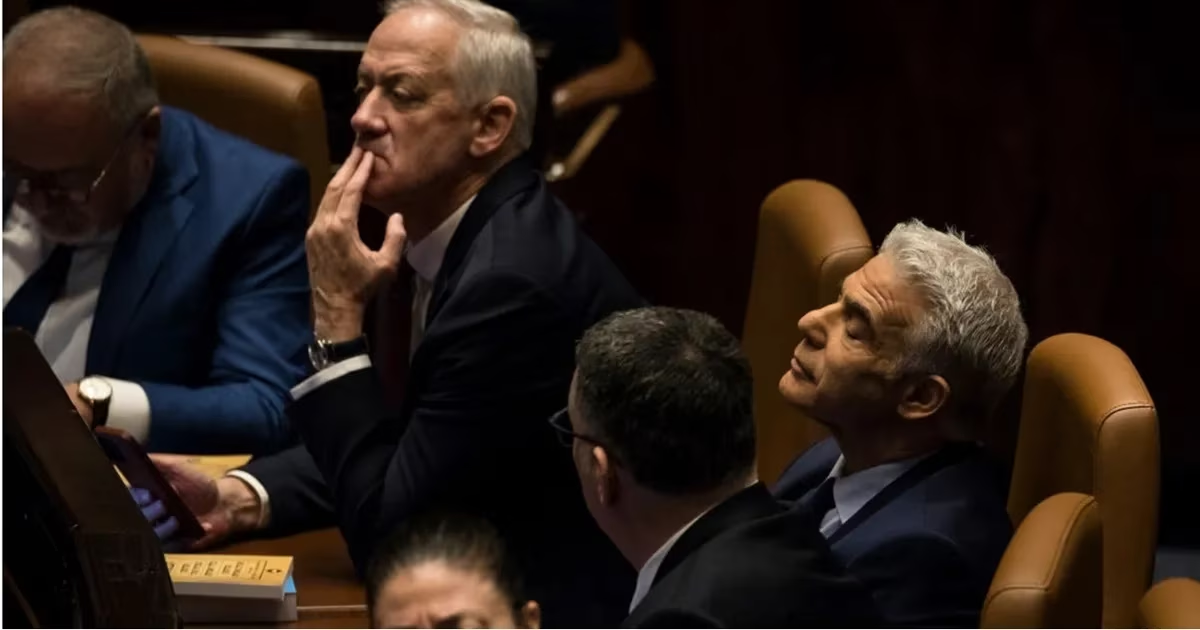
The pace of political movements within the Israeli arena is accelerating as the 26th Knesset elections, scheduled for next October, draw near. The features of the conflict within the opposition appear more complex and exciting, as various forces seek to organize their ranks and determine the identity of those who will qualify for the final stages of the electoral race.
Analytical sources reported that the Israeli opposition is experiencing a difficult labor, where victories intertwine with defeats and severe disappointments. With about half a year remaining until the elections, the outlines of the forces that have succeeded in advancing, and those that have fallen behind, threatening to completely exit the political map, have begun to become clear.
The opposition 'Change Bloc' is currently divided into two main wings: the right and the center-left, each with its own calculations and balances. Three strong names stand out in the right wing, competing for leadership: Naftali Bennett, Avigdor Lieberman, and Gideon Sa'ar, amidst failed attempts to unite some of these poles.
The current stage witnessed Avigdor Lieberman displacing his rival Gideon Sa'ar from the path to the top, especially after the latter's popularity declined in opinion polls. This decline pushed Sa'ar and his 'New Hope' party to split and return to the Likud party, in a move described as an attempt at political survival after barely passing the electoral threshold.
In contrast, Naftali Bennett managed to strengthen his position in opinion polls, surpassing Lieberman in the 'semifinal' of the opposition right-wing camp. Data shows that a coalition combining Bennett and Lieberman could double the number of seats, despite Lieberman's insistence that he is the best candidate for the next premiership.
Observers believe that Lieberman's association with the opposition does not stem from an ideological difference with the ruling right, but rather is the result of a sharp personal tension with Benjamin Netanyahu. Lieberman still adopts extremist right-wing policies, and in some matters, he even surpasses the current coalition in extremism, especially in his support for the judicial overhaul project.
As for the center-left wing, the scene is no less heated, with former partners Benny Gantz and Gadi Eizenkot confronting each other. The competition focuses on the votes of the State Camp, the party that Gantz founded and led for a long time before the balance of power within it began to shift surprisingly.
Opinion polls had given Gantz about 38 seats following the October 7 attack, but this momentum gradually began to fade over time. With his position declining, Eizenkot demanded to take over the party's leadership, which Gantz refused, ultimately leading to Eizenkot's resignation and the start of an independent political path.
During the harsh war months, Gantz's approval rating recorded a significant decline from which he has not been able to recover until now, according to informed sources. In contrast, Gadi Eizenkot's stock rose sharply in opinion polls, enabling him to surpass traditional opposition leaders such as Yair Lapid and Yair Golan.
Eizenkot currently appears as the de facto leader of the center-left current, ready to enter the final competition against Naftali Bennett for the leadership of the Change Bloc. This sudden rise of Eizenkot in the polls has disrupted traditional calculations and placed him in a strong rival position against Bennett's ambitions to return to the premiership.
Analyzes confirm that Eizenkot has an additional advantage, which is the widespread popular movement supporting him in recent opinion polls. However, Bennett still maintains an advanced position, making the competition between them largely dependent on the mistakes either of them might make in the coming months.
The scene requires all candidates in the Change Bloc to persevere until the end and acknowledge the legitimacy of whoever takes first place to ensure the bloc's unity. However, Yair Lapid is still singing a different tune, warning against trusting his rivals and demanding to be the sole option for leading the opposition.
Despite Lapid's continuous attempts to establish his legitimacy, the gaps between him and Eizenkot in terms of suitability for the premiership have begun to narrow significantly. This fierce competition reflects the state of division and the search for a strong alternative that can confront Netanyahu's continued dominance of the Israeli political scene.
Ultimately, the next six months will remain crucial in determining the shape of the final alliances that will contest the Knesset elections. Opposition leaders will have to balance their personal ambitions with the strategic goal of bringing about real change in the hierarchy of Israeli power.
The Israeli opposition is witnessing many surprises and political intrigues that could even risk displacing traditional forces from the political map.




Share your opinion
Clash of Wings in the Israeli Opposition: Eizenkot and Bennett Lead the 'Change Bloc' Race