







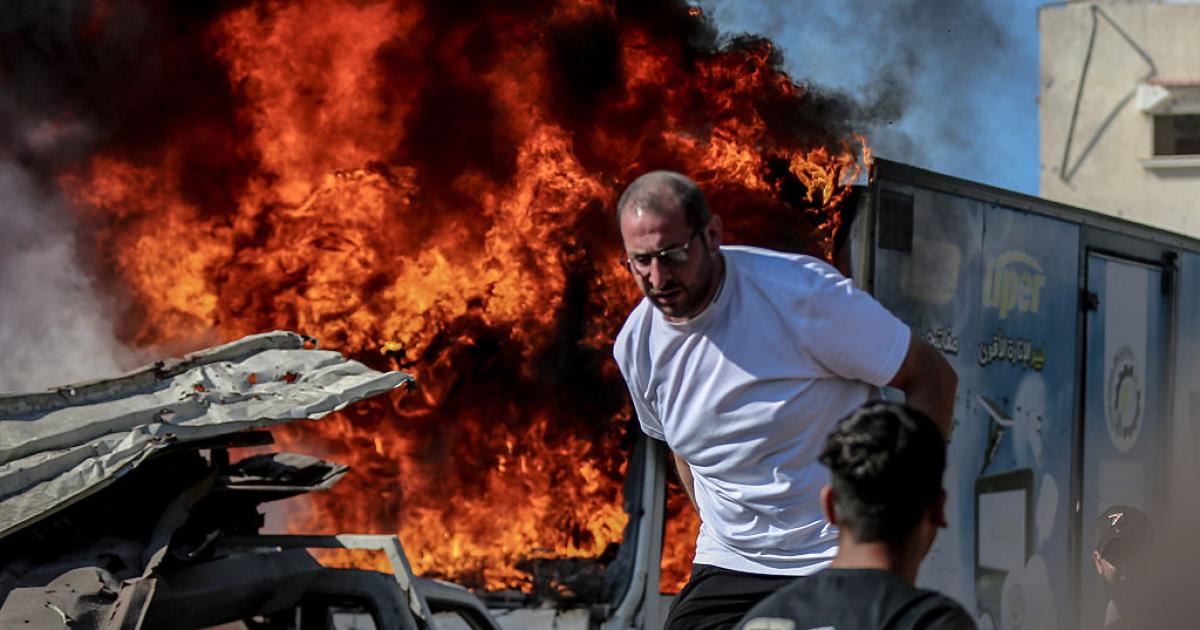
The settlement of Kiryat Shmona in northern occupied Palestine witnessed a wave of violent explosions on Wednesday due to rockets launched from southern Lebanon. Field sources reported that the shelling resulted in significant damage to a number of residential buildings and burning vehicles, while columns of smoke rose from the targeted sites amid a state of security alert.
Media sources stated that air raid sirens did not stop blaring in various Upper Galilee settlements since the early morning hours. This escalation came after intensive rocket and drone launches targeting military sites and settlement gatherings were detected, forcing settlers to collectively seek refuge in shelters.
In a later development on Wednesday afternoon, defense systems detected the launch of about 10 rockets towards the city of Nahariya and its surrounding areas. While air defenses were able to intercept a number of these projectiles, others fell in open areas and populated sites, causing additional material damage and a state of panic in the northern region.
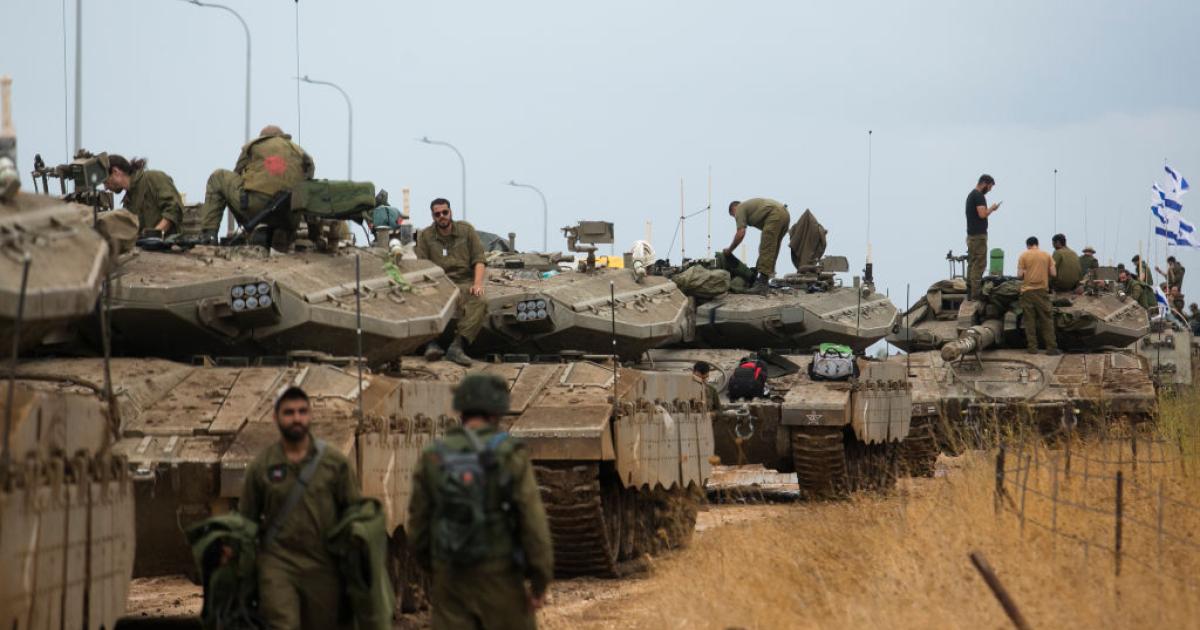
For its part, the Lebanese Army announced the implementation of a redeployment and deployment operation that included a number of its military units in the southern border areas. The military statement clarified that this step comes in light of the continuous Israeli incursions around the border towns, and aims to protect military personnel from the risk of siege and isolation imposed by the escalating aggression.
The Lebanese Army command stressed the continued presence of groups of military personnel within the border towns to stand by the residents and provide them with possible support. The statement also warned against attempts to incite and question the role of the military establishment, emphasizing that these campaigns negatively affect national cohesion and civil peace under the current circumstances.
These field developments come in the context of a wide-ranging Israeli aggression that began early last March, and included intensive airstrikes on the southern suburbs of Beirut and the Beqaa and southern regions. The occupation authorities claim that these operations come in response to Hezbollah attacks, although the latter asserts that its operations are in defense of Lebanon and in response to violations of the ceasefire agreement.
Israeli military censorship imposes strict secrecy on the extent of human and material losses resulting from Hezbollah's strikes and Iranian military responses. The occupation authorities prevent the publication of precise details about damaged military sites, contenting themselves with referring to damage to civilian property to reduce the extent of the military achievement of the resistance in Lebanon.
On the political front, observers indicate that the assassination of Iranian leader Ali Khamenei earlier may have pushed the region towards an unprecedented comprehensive confrontation. This event led to the collapse of the fragile understandings reached in November 2024, opening the door for rounds of fighting that are expanding day by day to include multiple fronts.
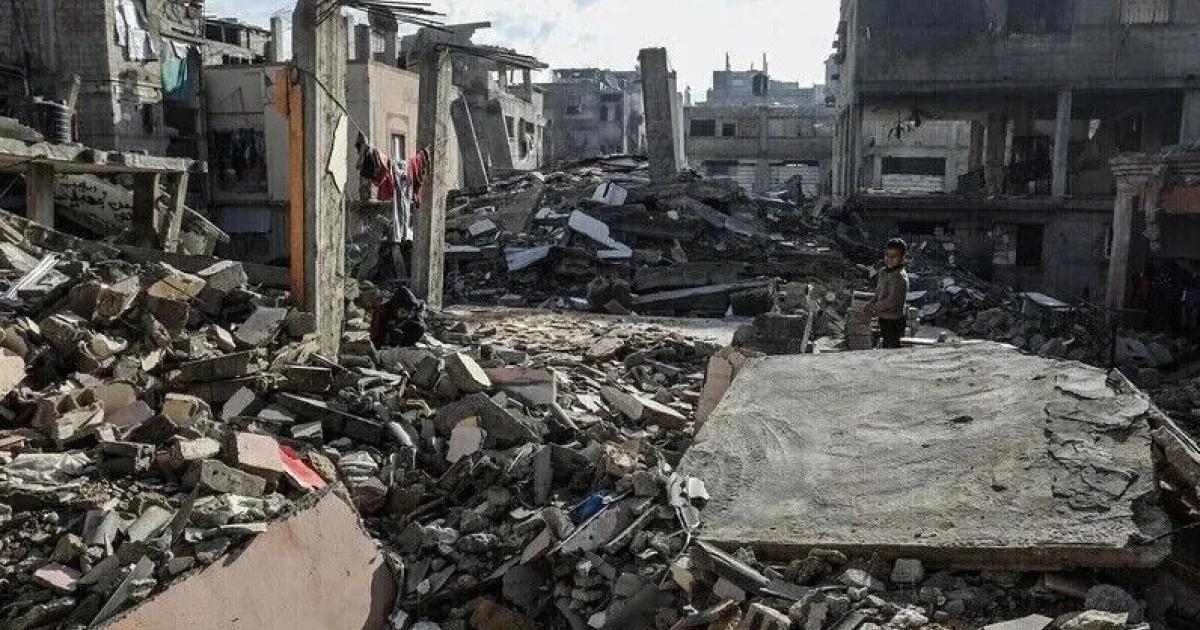
Amid continued airstrikes and ground incursions, humanitarian suffering is increasing in the targeted areas in Lebanon with the displacement of thousands of families. Ambulance and civil defense teams continue their work under shelling to retrieve victims, while the Lebanese resistance insists on continuing its rocket operations until the aggression on Lebanese and Palestinian territories ceases.
The redeployment of Lebanese Army units came as a result of the escalation of Israeli aggression aimed at besieging and isolating forces in border towns.

Share your opinion
Rockets from Lebanon hit Kiryat Shmona, Lebanese Army redeploys in the South