






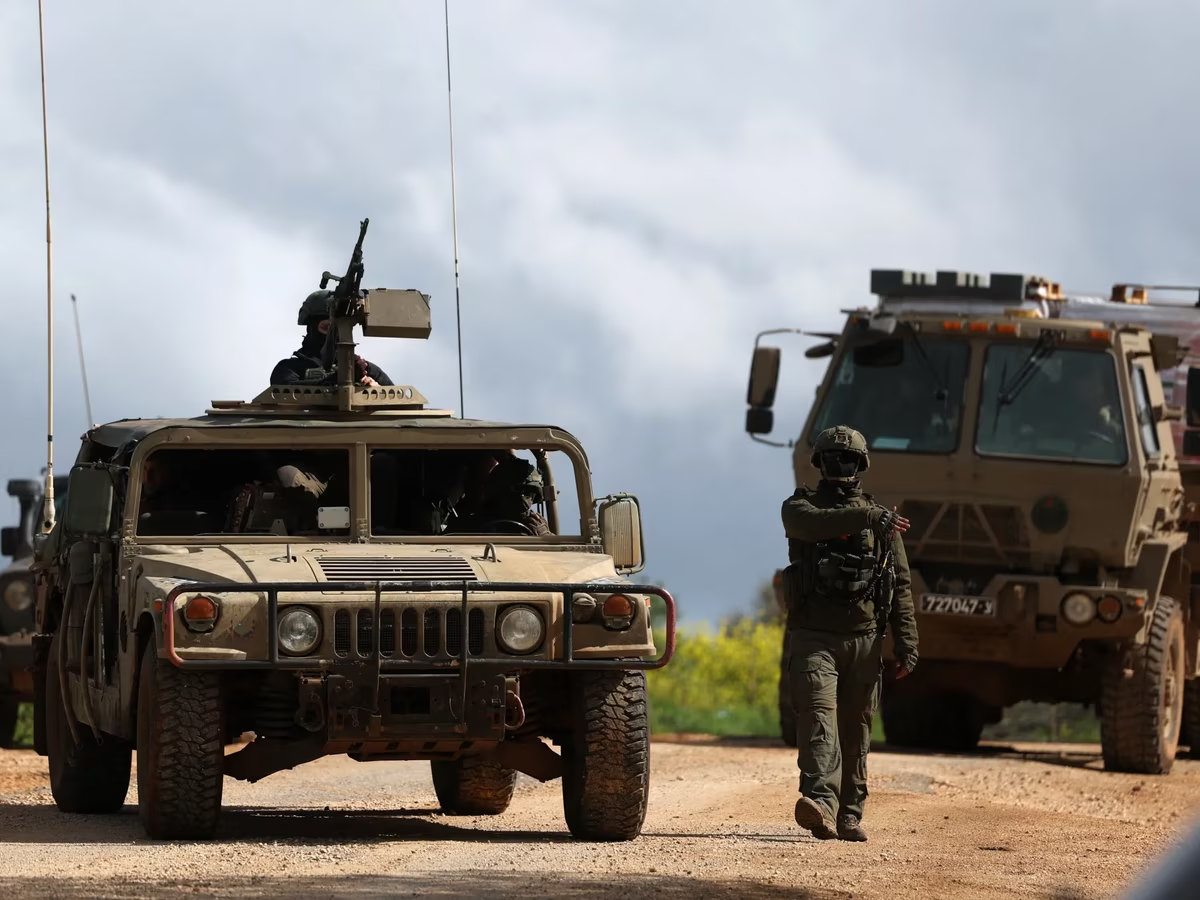
An analytical report published by the Hebrew newspaper Haaretz highlighted a radical shift in Israeli political and military doctrine, moving from a concept of border defense to a permanent expansionist approach. Analyst Zvi Bar'el pointed out that Israel now treats its internationally recognized borders as temporary lines that can be crossed, seeking to impose absolute control over territories outside its legal sovereignty.
Bar'el believes that the fundamental problem begins with the state's self-definition, as Israel refuses to adhere to international rules that mandate the establishment of states within fixed borders. This approach has made geographical expansion the core of the contemporary Israeli project, transcending the traditional security pretexts that were used to justify previous military operations.
On the northern front, the analysis revealed the beginning of a gradual expansion process in southern Lebanon aimed at laying the groundwork for new settlements and imposing a permanent reality. The author warned that this path would cost the army dearly in terms of bloodshed, especially given Hezbollah's massive arsenal of rockets and landmines, which could turn soldiers' lives into a continuous hell.
Regarding Syria, the article noted Israel's insistence on remaining in strategic areas in the Quneitra governorate in the south of the country. This refusal to withdraw appears to be part of a long-term plan to officially annex these lands in the future, exploiting regional instability to establish new facts on the ground.
Moving to the Gaza Strip, the analyst confirmed that Israeli forces effectively control half of the Strip's area and are continuously working to expand this control. This move coincides with systematic policies aimed at changing the demographic and geographical nature of the Strip to serve the long-term settlement vision.
In the West Bank, the report observed the spread of what were described as violent militias, operating under the cover and direct support of the Israeli army to carry out what resembles ethnic cleansing. These groups have adopted combat and organizational methods similar to cross-border militias, imposing their political and military agenda and relying entirely on the official state budget.
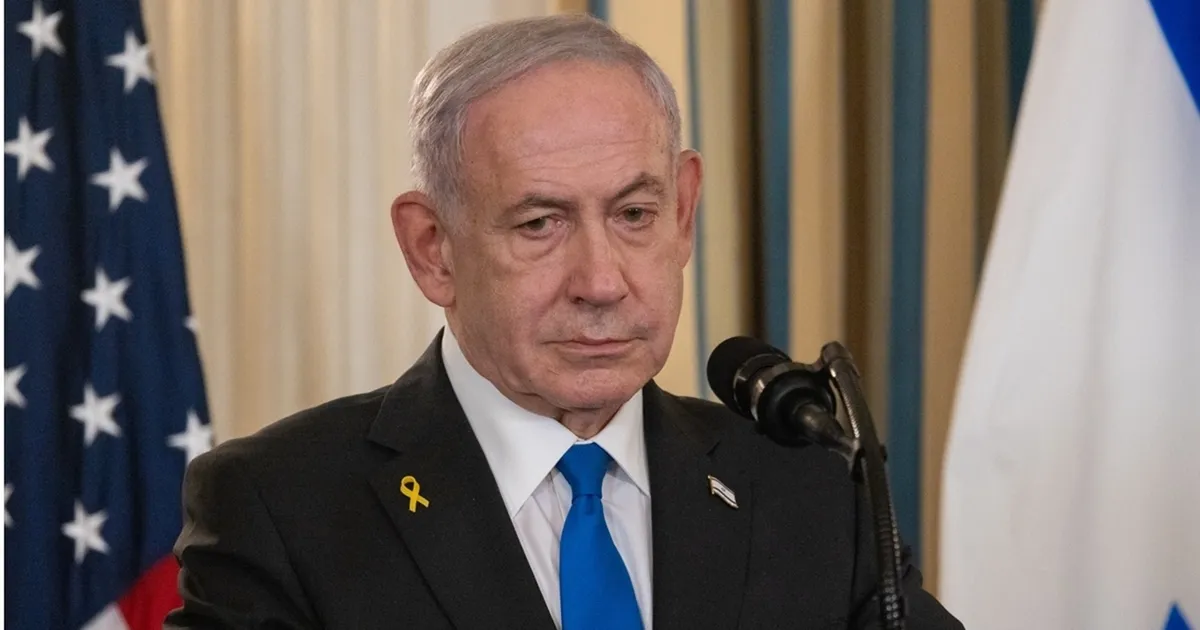
Bar'el linked this shift to the personality of Prime Minister Benjamin Netanyahu, who adopts an expansionist doctrine that in some aspects resembles Donald Trump's thinking. However, the author clarified a fundamental difference: while Trump views control over land as a bargaining chip for negotiation, Netanyahu sees it as a 'sacred mission' and ideological goals that are non-negotiable and non-withdrawable.
The analysis indicates that this expansionist approach is accompanied by the construction of a parallel system within Israel that concentrates all powers in the hands of the Prime Minister. In this new system, religious forces and loyal politicians replace democratic institutions, leading to an unprecedented erosion of the rule of law and a decline in public freedoms.
The author also drew attention to the role of security and police agencies, which are sometimes used as tools to instill fear and compliance within Israeli society itself. This internal transformation serves external trends, as dissenting voices against occupation and expansion policies are silenced to ensure the continuation of the settlement project without effective internal opposition.
Bar'el strongly criticized the media's subservience to the government narrative, considering that Israeli society is being led through fear towards a bleak future. He believes that the absence of international accountability and continuous American support give Netanyahu the green light to proceed with violating international law and expanding the scope of occupation in the region.
The article concluded that Israel is heading towards long-term international isolation due to its insistence on rejecting recognized borders and adopting military force as the sole means of dealing with neighbors. It warned that the 'sacred security' sought by the government through expansion will not be achieved, but will lead to more bloody conflicts from which future generations will not escape.
The Israeli occupation of neighboring countries' territories is not a temporary tactic, but an ideological message and mission, and a permanent and sacred goal.



Share your opinion
Haaretz: Israel Turns Border Expansion into a 'Sacred Security' Doctrine, Targeting Lebanon, Syria, and Gaza