







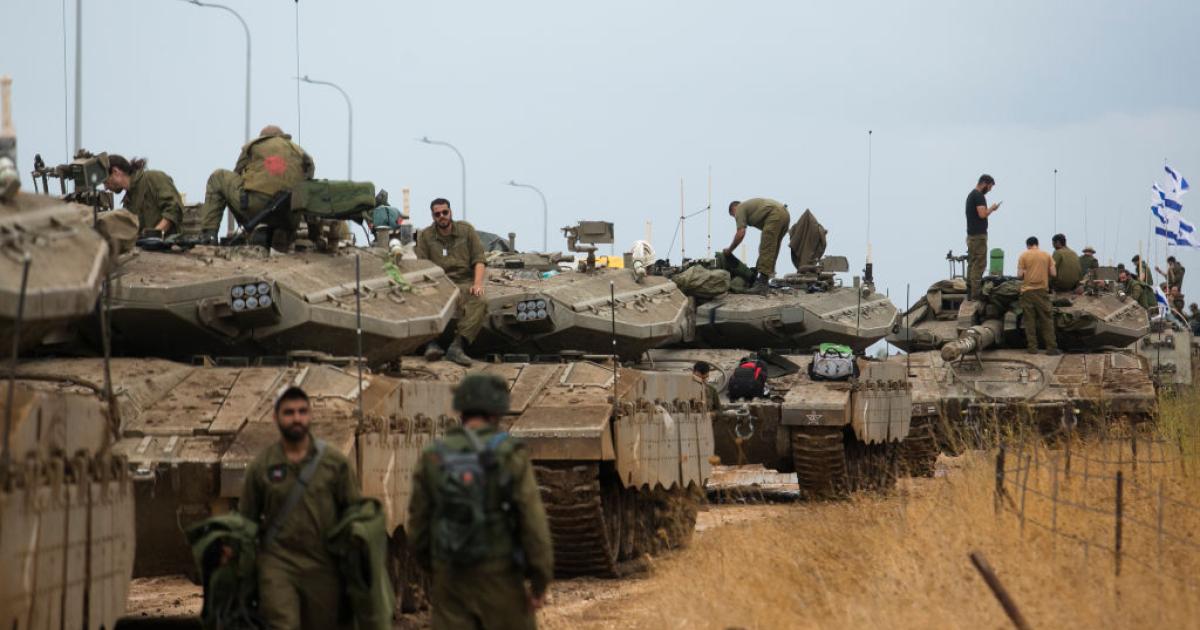
The ongoing war in southern Lebanon is no longer limited to material destruction or direct human casualties; it has transitioned to a dangerous phase measured by the scale of population displacement. Hundreds of thousands of civilians have found themselves forced to leave their villages under intense bombardment and evacuation orders that covered vast geographical areas, presenting us with a highly complex humanitarian and legal situation.
Updated field figures indicate a real catastrophe, with the number of displaced persons within Lebanese territory exceeding one million by late March 2026. According to UN data, approximately 1,049,328 people have fled their homes, while over 134,000 of them are crowded into collective shelters lacking the most basic elements of stability, and the vast majority live in fragile conditions outside these centers.
The nature of Israeli evacuation orders raises fundamental legal questions about their legitimacy, as they were not limited to narrow engagement zones but were comprehensive and repetitive. This broadness removes the evacuation from its context as a precautionary measure to protect civilians, transforming it into a tool of collective pressure aimed at emptying entire areas of their original inhabitants.
International humanitarian law sets strict conditions for civilian evacuations, requiring them to be necessary for imperative military considerations and to be temporary in nature. The Fourth Geneva Convention also obliges the occupying power to provide adequate shelter and ensure the return of residents as soon as operations cease, which appears to be completely absent in the current Lebanese situation.
Field indicators in southern Lebanon show a clear transgression of these legal boundaries, as displacement operations lack clear guarantees of return. Furthermore, targeting the displaced areas themselves with bombardment strips evacuation orders of their stated justification of protecting lives, opening the door to the possibility of displacement becoming a permanent state serving political and demographic objectives.
Israeli statements about establishing "buffer zones" and linking the return of residents to long-term security arrangements carry dangerous implications that go beyond temporary military necessities. This approach reflects a desire to reorganize the geographical and demographic space on the border, shifting the conflict from a military confrontation to a systematic policy of demographic change.
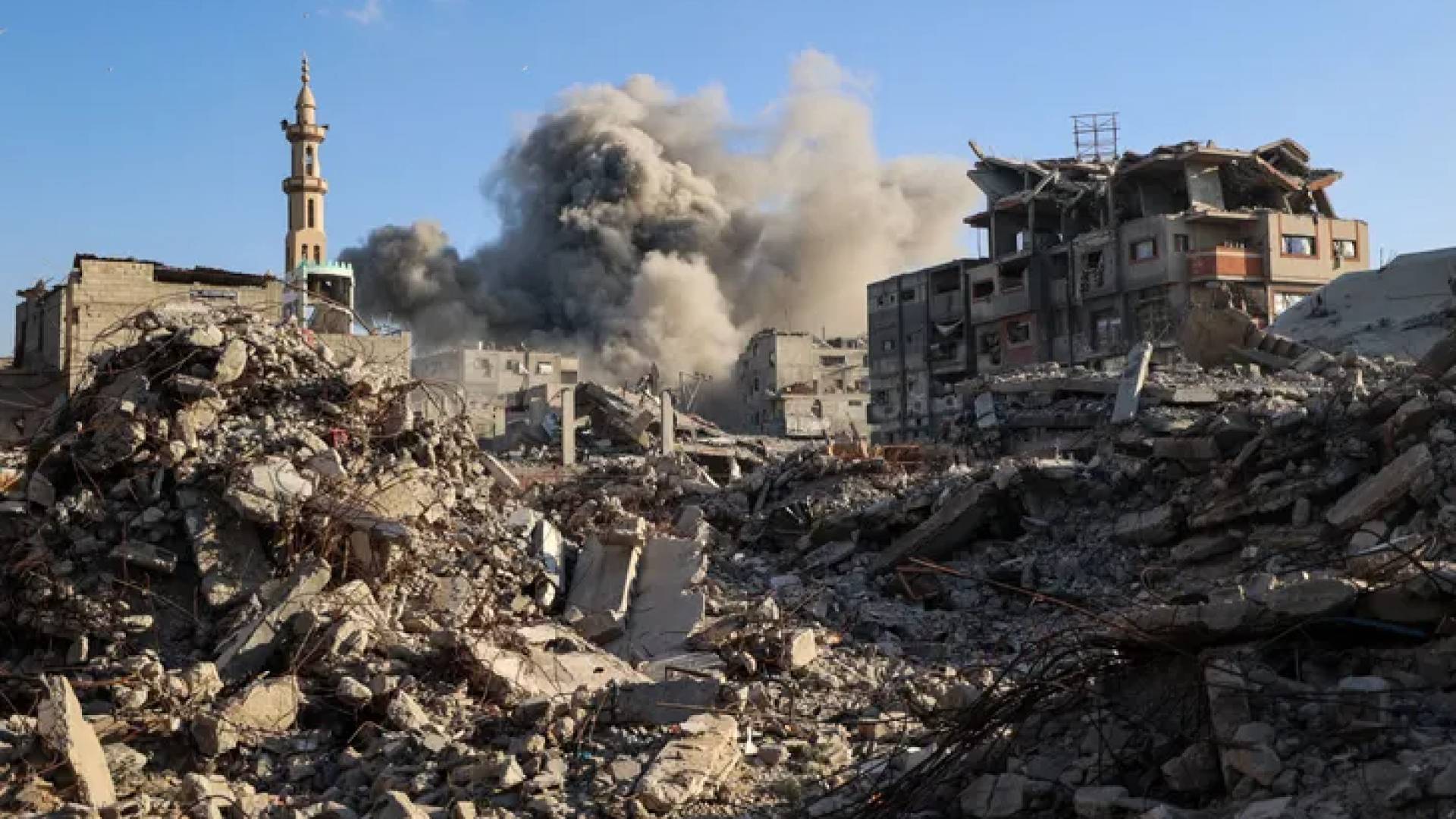
The comparison with the Gaza Strip stands as a stark warning of the consequences of this path, where displacement began with similar evacuation orders and ended with the displacement of 85% of the population. In Gaza, displacement transformed from an incidental result of war into a structural feature and a primary tool in managing the conflict, leading to military control over approximately 70% of the Strip's area.
The massive destruction that affected over 60% of housing units in Gaza has made the idea of return complicated even if the guns fall silent. This reality creates facts on the ground that are difficult to reverse, making displacement a means to impose new political and security conditions at the expense of fundamental civilian rights.
The real danger lies in this pattern becoming an adopted strategy in contemporary conflicts, where civilians are used as part of the military pressure equation. Controlling the movement of populations and making their return conditional blatantly contradicts the Rome Statute of the International Criminal Court, which criminalizes the forced transfer of populations.
From a legal perspective, any breach of the conditions of necessity and proportionality in evacuation orders transforms them into grave violations that warrant international accountability. International law was not established merely to prevent wars, but to set limits that prevent civilians from being used as fuel for strategic plans aimed at uprooting them from their land.
Lebanon is already suffering from severe economic and social crises, making the wave of millions of displaced people a double burden that threatens to disintegrate the social fabric. The loss of livelihoods and the destruction of infrastructure in southern villages create long-term humanitarian crises that cannot be addressed merely by providing urgent relief aid.
The current situation requires a clear legal approach that goes beyond mere humanitarian description, by documenting evacuation orders and analyzing their demographic impacts. International pressure must focus on ensuring the unconditional right of return and rejecting any attempt to impose buffer zones that lead to the encroachment on Lebanese territories and the displacement of their inhabitants.
International silence or merely issuing timid warnings gives a green light to entrenching a new reality in which forced displacement becomes a common practice. The challenge today is to stop policies that make displacement a fait accompli and to affirm that the protection of civilians is a binding legal obligation, not a negotiable political option.
In conclusion, what is happening in southern Lebanon cannot be separated from the broader regional context and attempts to redraw demographic maps by force. War, no matter how fierce, does not grant any party the right to uproot peoples, and justice remains contingent on the ability to hold accountable those who use displacement as a tool to reshape geography.
Forced displacement is not measured only by the direct act, but by the outcome; if military orders force residents to leave their areas without protection or guarantees of return, then we are facing a war crime.


Share your opinion
Forced Displacement in Southern Lebanon: Fears of Gaza Scenario Repetition and Demographic Reshaping