







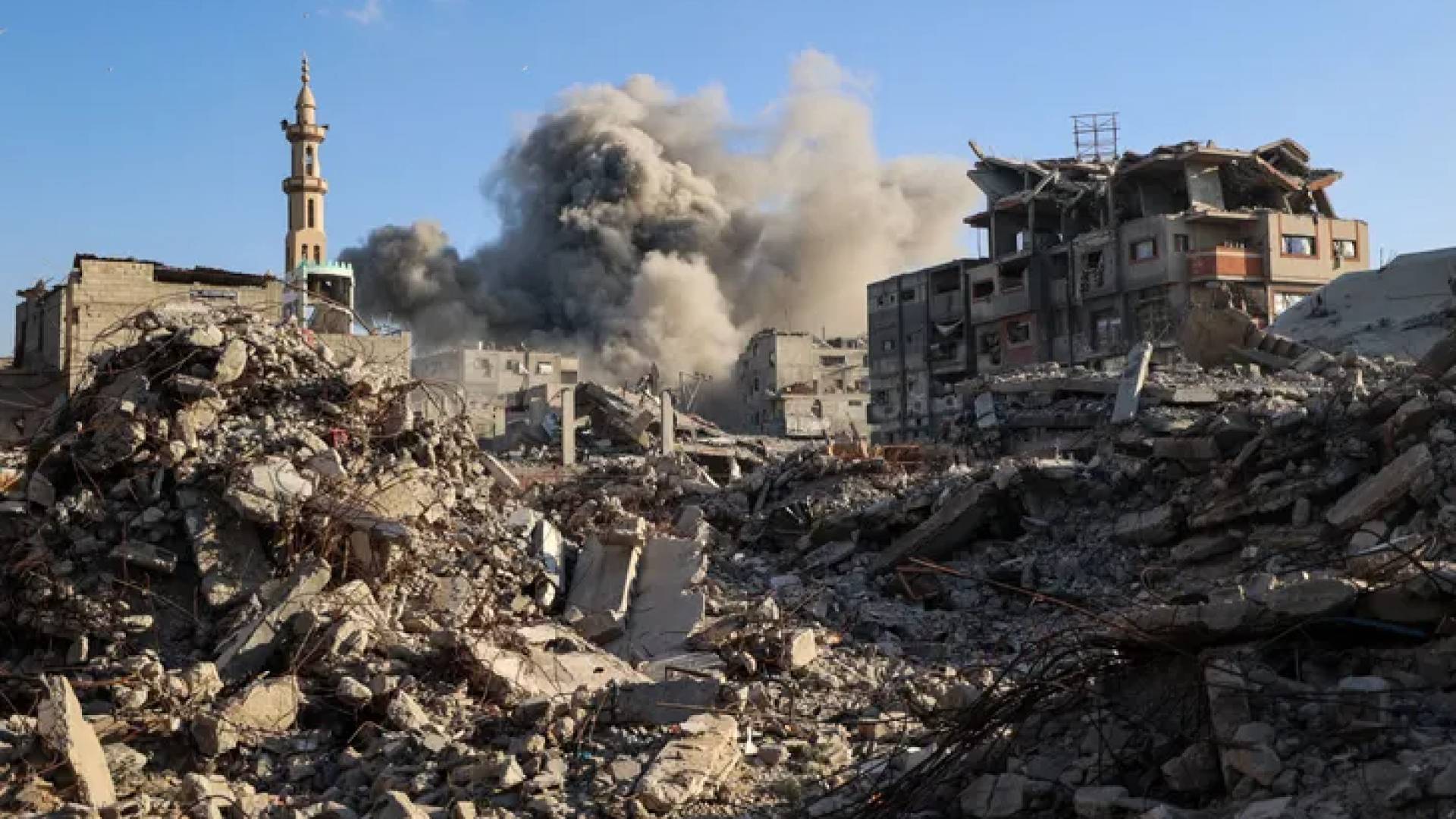
The Lebanese Ministry of Health announced the martyrdom of 10 citizens and the injury of 12 others in an initial toll from two raids carried out by the Israeli occupation air force on Saturday evening, targeting the towns of Deir al-Zahrani and Kafrtibnit in the Nabatieh district in the south of the country. These new massacres come in the context of a continuous escalation that has led to the martyrdom of 47 people and the injury of 112 others in the past twenty-four hours alone.
Official data issued by the Lebanese health authorities revealed that the total number of martyrs since the start of the Israeli aggression on March 2 has risen to 1189 martyrs. Reports indicated that among the victims were 124 children and 86 women, reflecting the extent of direct targeting of civilians and residential areas in various Lebanese governorates.
On the ground, Hezbollah announced the execution of 32 diverse military operations on Saturday, targeting positions, gatherings, and movements of the Israeli occupation army. The resistance used advanced missiles, kamikaze drones, and artillery shells in its attacks, affirming that these operations come in response to continuous aggressions and the targeting of symbols and civilians.
In a rare official admission, the Israeli occupation army confirmed the injury of 9 of its soldiers, including two high-ranking officers, due to rocket barrages launched from southern Lebanon. Hebrew media sources reported that the injuries occurred among a force stationed in the border areas, without disclosing the severity of the injured's health condition.
A qualitative development occurred in the skies of Western Bekaa, where sources reported that resistance fighters confronted a manned reconnaissance aircraft of the 'RC12' type. Defensive fire forced the enemy aircraft to leave Lebanese airspace and retreat, in a move aimed at limiting the occupation's espionage capabilities and intelligence gathering deep inside Lebanon.
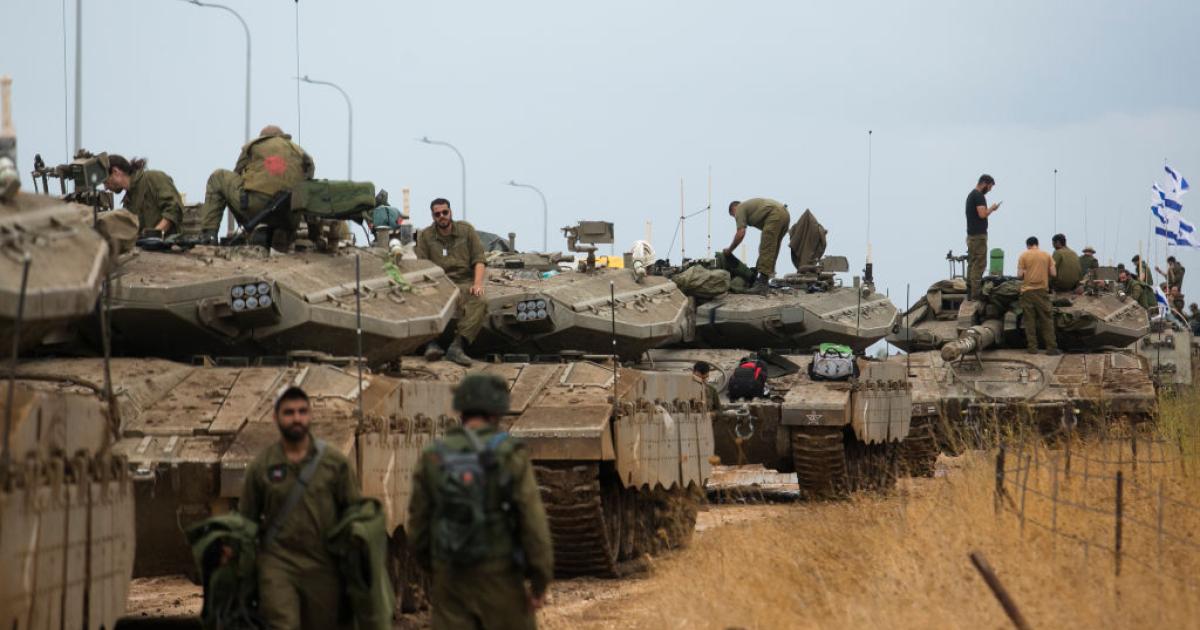
Regarding the destruction of vehicles, resistance data documented the targeting of 7 'Merkava' tanks and one 'Hummer' military vehicle using guided missiles. These targets were hit in the towns of Qantara, Dibel, and Bayada, where sources confirmed direct hits that led to the burning and destruction of a number of these vehicles and casualties among their crews.
The resistance's strikes extended to the strategic depth of the occupation, targeting the 'Mishar' base, which is the main intelligence headquarters for the northern region. The shelling also hit the 'Dado' base, the headquarters of the northern region command, and the 'Nashrim' base located southeast of Haifa, activating sirens over wide areas.
In details of the ground operations, Hezbollah revealed that an Israeli force was lured into a well-planned ambush at 'Baydar al-Faqani' in the border town of Taybeh. Sources explained that the Israeli force, which attempted to advance towards the Litani River, fell into a 'killing zone' prepared in advance by the fighters, where they were targeted with a barrage of shells and missiles.
Field reports confirmed that clashes in the ambush area continued for long hours, forcing the occupation army to request air reinforcements and launch dense smoke bombs. Israeli helicopters were seen attempting to evacuate the dead and wounded from the battlefield under intense covering fire, in an attempt to limit the heavy human losses suffered by the advancing force.
In the town of Bayada, resistance fighters engaged in fierce close-range clashes with an Israeli force entrenched inside a house, inflicting direct casualties among them. The confrontations also included the western outskirts of the town of Shama and the Al-Hazan area in the town of Qantara, where light and medium weapons were used to repel attempts at ground infiltration.
On the other side of the border, settlers in occupied northern Palestine experienced a day of terror, as residents of Acre, Haifa Bay, and Galilee were forced to take shelter 16 times. Hebrew media acknowledged that the pace of rocket and drone launches had not subsided since midnight on Friday, completely paralyzing movement in the major northern cities.
The resistance's rocket barrages directly targeted the settlements of Malkia, Avivim, and Shlomi, causing extensive material damage to properties. Field sources indicated that the shelling also included newly established artillery positions of the occupation in the town of Arab al-Luweiza and radar sites in Bayada, to disrupt the Israeli army's surveillance and artillery capabilities.
Current data indicate that the Israeli occupation is facing fierce and unexpected resistance in the limited ground infiltration axes it began in early March. Despite heavy air cover and alleged American participation in the operations, Israeli ground forces continue to suffer continuous attrition in lives and equipment on the front line of the border.
The humanitarian situation in Lebanon remains in continuous deterioration with the ongoing air raids targeting infrastructure and residential homes in the South, Bekaa, and the Southern Suburb. Ambulance and civil defense teams continue search operations for missing persons under the rubble, amidst international warnings of the conflict's expansion and its transformation into a comprehensive regional war.
The ambush area in the town of Taybeh turned into a killing zone, resulting in casualties among the Israeli force that the occupation attempted to evacuate under intense covering fire.

Share your opinion
Deadly Escalation in Lebanon: 1189 Martyrs Since the Start of the Aggression, Hezbollah Sets Deadly Ambushes for the Occupation