







A state of anticipation is escalating in political circles in the Lebanese capital, Beirut, regarding the possibility of initiating a direct negotiation process with Israel. These questions arise at a time when information is conflicting about the identity of the international party capable of sponsoring this complex file, amidst indications of a decline in French effectiveness versus growing hopes placed on the American role.
French President Emmanuel Macron acknowledged that any move towards direct negotiations still faces the necessity of obtaining explicit approval from the Israeli side. Macron considered that the key to the solution remains in Tel Aviv's hands, reflecting Paris's limited ability to impose a diplomatic agenda without broad regional and international consensus.
In a related context, the Élysée revealed the absence of a comprehensive French plan or an official proposal that includes mutual recognition at present. This admission places recent French moves within the framework of exploring intentions and testing the waters, rather than being a mature political initiative capable of making a real breakthrough in the wall of the field crisis.
French Foreign Minister Jean-Noël Barrot had held a series of intensive meetings with senior officials in the Lebanese state to discuss ways to de-escalate. However, the conclusion of the tour without official statements or tangible results reinforced the impression that the French mission faces complexities that exceed the diplomatic tools currently available to Paris.
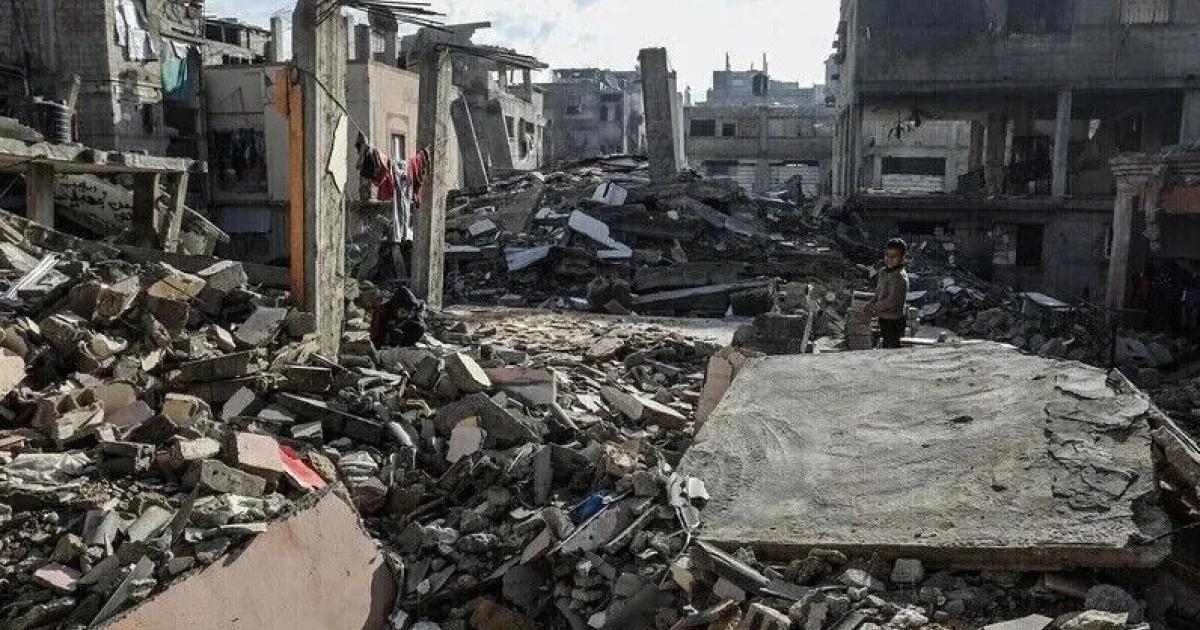
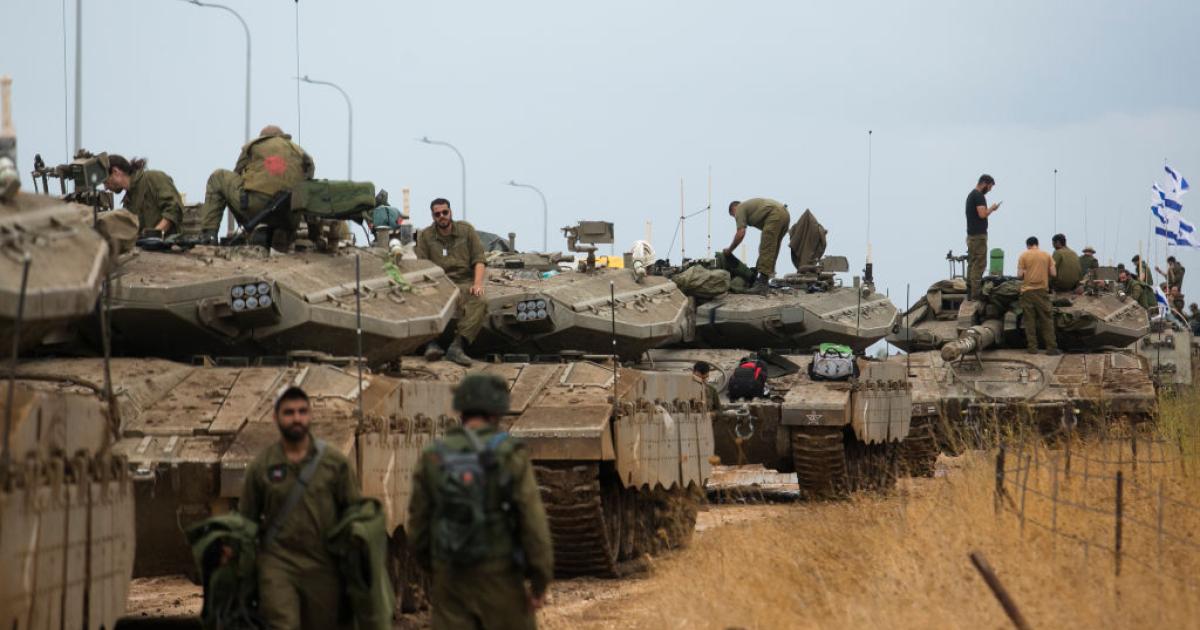
Informed sources indicate that the French approach sought to achieve a gradual path beginning with disengagement between the Lebanese front and the Iranian file. This vision aims to reach a sustainable ceasefire agreement that paves the way for subsequent political negotiations, but these ambitions clash with the reality of the explosive military field.
These proposals face a fundamental obstacle, which is the limited control of the Lebanese state over war and peace decisions in light of the existing balances. Sources believe that linking military paths to regional alliances makes it difficult for the Lebanese government to respond to international demands without a radical change in the balance of power on the ground.
In the face of this diplomatic stalemate, the official Lebanese orientation has clearly begun to lean towards Washington as the only player capable of exerting effective pressure. Lebanese Prime Minister Nawaf Salam expressed this orientation by demanding that the American administration intervene directly to end military operations and impose a path for comprehensive de-escalation.
In a message addressed to US President Donald Trump via international media, Salam affirmed that the United States possesses the necessary tools to decide the direction of the conflict. He stressed the necessity of a decisive American role that goes beyond mere traditional mediation to reach radical solutions that end the ongoing conflict on the southern borders.
The Lebanese scene remains hostage to international tug-of-war, awaiting what the coming days will bring in terms of movements in the White House. In the absence of international consensus, the possibilities of negotiation remain suspended between the conditions of the Israeli occupation and the ability of the major powers to formulate a political exit that spares the region further escalation.
Any direct negotiations between Lebanon and Israel remain conditional on Tel Aviv giving the green light.

Share your opinion
French efforts in Lebanon falter, increasing reliance on decisive American intervention