






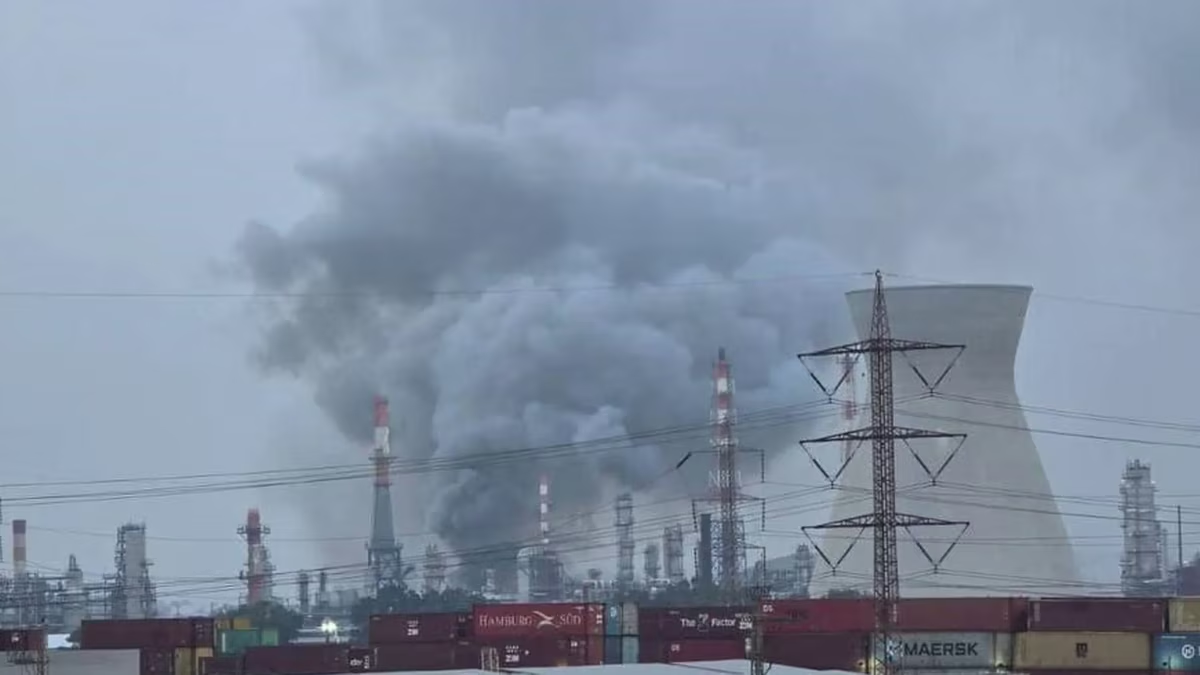
The intensity of the field confrontation between Iran and Israel escalated with missile attacks reaching deep into vital and strategic facilities. Field documentation showed a massive fire breaking out in the Haifa refinery, which is a key pillar in the energy and petrochemical industries, amidst clear conflicting official Israeli accounts regarding the true extent of the damage.
Media sources reported that the refinery was directly hit by an Iranian missile, while the Israeli army merely indicated that shrapnel fell in areas in the north of the country. This coincided with the launch of intense missile barrages targeting economic and population centers in Haifa, Tel Aviv, and Ashkelon, keeping air raid sirens in a constant state of alert.
Field data indicates that the latest attack was of a different nature, as fragmented or cluster missiles carrying multiple warheads were used. This tactic primarily aims to disperse the capabilities of air defense systems, as it is difficult to intercept all explosive fragments falling in scattered locations instead of a single point.
Bombing was not limited to the city of Haifa but extended to sensitive sites in Ashdod and its seaport, in addition to the city of Ashkelon, which includes a vital oil terminal. Observers believe that targeting Ashkelon carries symbolic and strategic dimensions, due to its connection to the historical oil pipeline from Eilat, reflecting a desire to systematically strike energy infrastructure.
Military readings indicate a shift in Iranian tactics from a policy of quantitative 'missile saturation' to 'effective precision strikes'. A single missile now has the ability to cause widespread destruction, posing unprecedented technical and operational challenges to defense systems in protecting sensitive facilities.
Amidst this escalation, a significant gap emerges between what eyewitnesses report and the official narrative imposed by Israeli military censorship. Authorities follow a policy of selective blackout, focusing on damage in civilian areas while withholding information related to military sites and airbases that may have been hit.
Initial figures reveal a massive amount of material losses, with more than 12,000 compensation claims filed so far by settlers and affected parties. This number reflects the widespread destruction that affected private property and public facilities as a result of successive missile barrages.
According to available data, about 8,000 buildings were damaged to varying degrees, most of them concentrated in the greater Tel Aviv area and the coastal city of Ashkelon. These damages represent a heavy economic cost that directly pressures the public budget and raises questions about the effectiveness of current defensive fortifications.
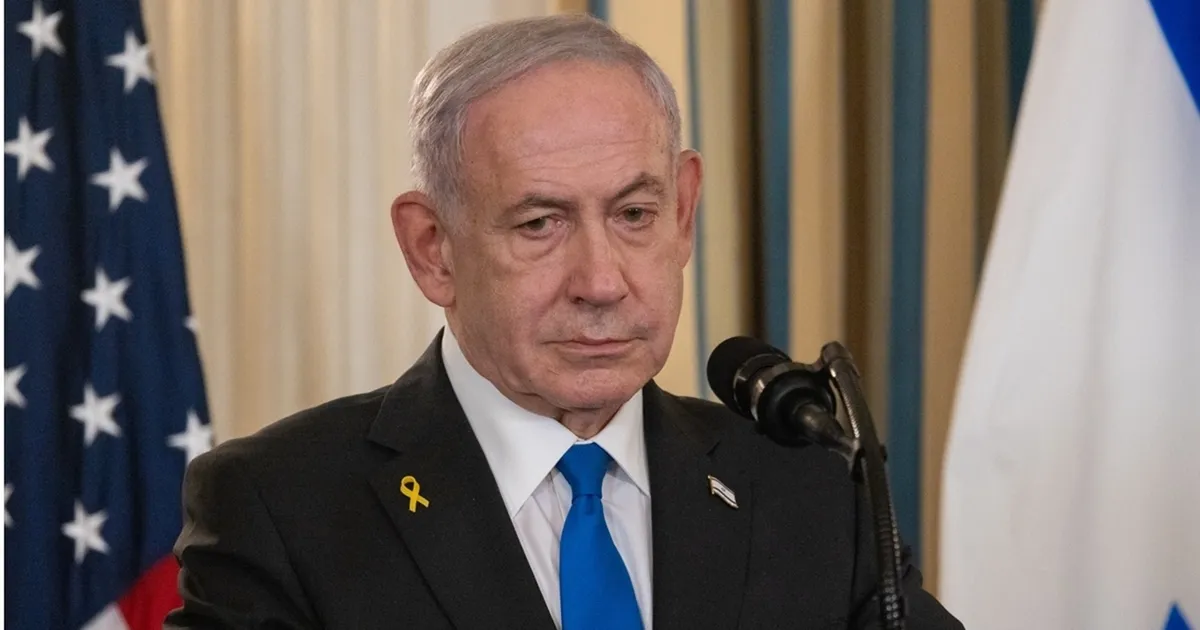
Despite attempts by Israeli Energy Minister Eli Cohen to downplay the strikes and describe them as limited, the field reality indicates otherwise. Cohen confirmed work to restore electricity to affected areas, in an attempt to absorb public anger and reassure the anxious Israeli public.
Analysts believe that continued targeting of infrastructure will necessarily lead to increased internal pressure on the Israeli government. These pressures are not limited to the financial aspect but also extend to public confidence in the army's ability to provide the necessary protection for major strategic facilities.
These events bring to mind previous experiences in which Israel was slow to admit that sensitive sites such as Ben Gurion Airport and airbases had suffered direct hits. It seems that the policy of concealing losses aims to prevent the other side from assessing the accuracy of its strikes and achieving moral victories in the ongoing war of wills.
In conclusion, Haifa Bay, with its strategic port and major industrial complexes, remains in direct danger, with continued threats of expanding the circle of fire. Field assessment operations are ongoing to determine the final damages, amidst expectations of an increase in the bill of losses with each new round of escalation.
The use of fragmented missiles aims to disrupt Israeli air defense systems, as it is difficult to fully intercept multiple warheads.



Share your opinion
Fires in Haifa refinery and Israeli blackout on losses from Iranian missile strikes