






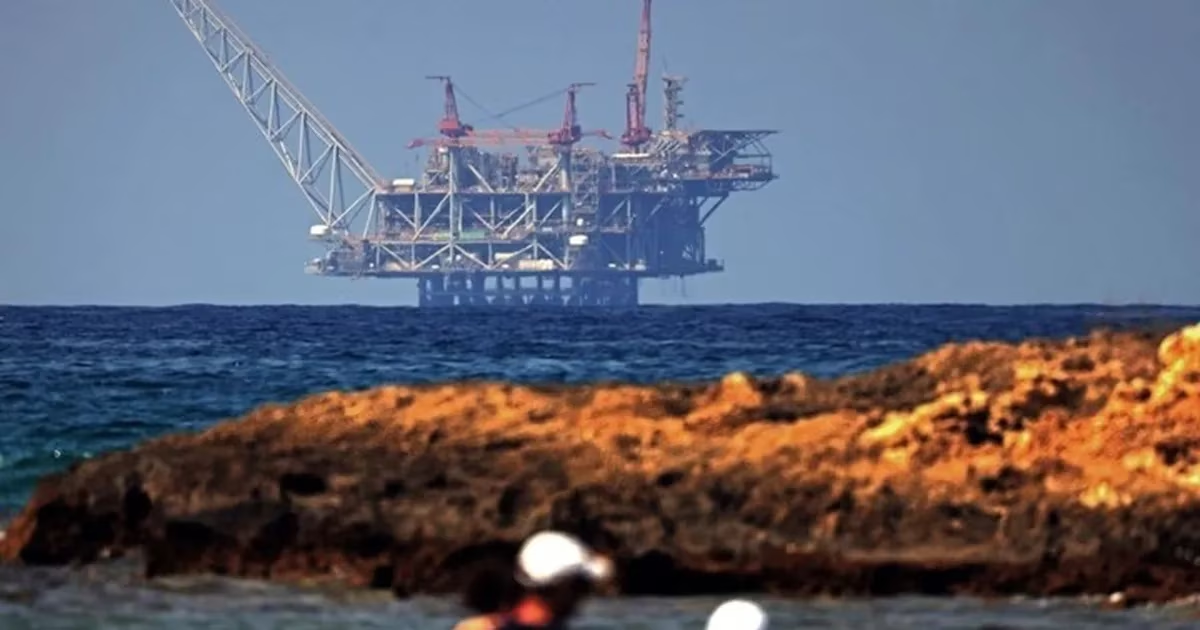
Media sources reported that the Israeli occupation authorities decided to continue the closure of the strategic gas platforms 'Leviathan' and 'Karish' for more than two consecutive weeks. This step comes amid escalating military tensions and direct confrontation with Iran, as the government seeks to reduce security threats that could affect vital energy facilities in the country.
Economic reports stated that the closure decision stems from serious concerns about targeting these platforms, which are considered among the most expensive national assets, with the cost of building a single platform estimated between 1 billion and 1.5 billion dollars. This precautionary measure aims to ensure that the facilities are not subjected to total destruction in the event of precise missile attacks, which could make their repair impossible.
As a result of the halt in natural gas flow, the Israeli Electric Corporation was forced to revert to using more expensive and polluting alternatives such as coal and diesel to secure energy needs. This shift has caused heavy financial burdens, with estimates indicating that the economic losses resulting from this halt amounted to approximately 300 million shekels per week.
The total losses over the past two weeks reached approximately 600 million shekels, equivalent to about 192 million US dollars. These figures reflect the extent of economic pressure facing the Israeli energy sector amid continued security uncertainty and the absence of a clear timeline for resuming operational activities.
The repercussions of the closure were not limited to the Israeli domestic market but also extended to regional gas supplies destined for both Egypt and Jordan. Observers believe that this interruption sends negative signals to international investors about the reliability of the Israeli energy sector and its ability to fulfill its contractual obligations in times of crisis.
For its part, the occupation's Ministry of Energy clarified that these measures fall within the risk management policy during wartime to reduce the level of potential threats. Experts confirmed that the damage that could be inflicted on platforms while they are shut down is limited and can be technically dealt with, unlike the catastrophic explosions that could occur if they were targeted at the peak of their production.
Despite this strategic halt, sources confirmed that domestic demand for electricity remains stable so far without widespread outages. This is due to the intensive reliance on reserve stocks of alternative fuel, despite the exorbitant costs this imposes on the state's general budget.
It is worth noting that this is the third time Israel has been forced to close gas platforms since the outbreak of confrontations on October 7th. The recurrence of these incidents raises widespread debate within Israeli political and economic circles about how to balance the protection of strategic assets with reducing the ongoing financial bleeding.
The closure of the platforms aims to reduce security risks, as their destruction during operation could lead to catastrophic consequences compared to their shutdown.





Share your opinion
Energy Crisis in Israel: Gas Platform Closures Cost Occupation Hundreds of Millions