






Hebrew media sources have revealed fundamental shifts in Israeli strategy towards Iran, as security circles in Tel Aviv have acknowledged that current military operations are not proceeding according to predetermined timelines or objectives. Consequently, the military leadership has begun a comprehensive re-evaluation of war objectives, in light of the Iranian regime's resilience in the face of successive strikes.
In the context of field coordination, sources reported that the United States and Israel have officially approved a package of military plans to be implemented inside Iranian territory within the next three weeks. These plans aim to carry out qualitative operations described as 'large and additional,' which are expected to bring about a tangible change in the course of direct confrontation between the two parties.
Security assessments indicate that Israel is preparing for a long-term battle with Tehran, with the intense confrontation expected to continue for at least several more weeks. At the same time, military circles anticipate that the war on the northern front with Hezbollah will extend for several months, placing significant logistical and military pressure on the occupation army.
Informed sources clarified that there are Iranian targets still on the Israeli target bank that have not yet been struck, awaiting the appropriate operational timing. However, a state of frustration prevails in Israeli and American political circles due to the failure of betting on widespread popular demonstrations against the Iranian regime, which was a fundamental pillar of the pressure strategy.
Recent Israeli strikes have focused intensively on the headquarters of the 'Basij' forces and Iranian internal security agencies, in an attempt to destabilize internal conditions and create an environment for protests to erupt. However, intelligence reports confirm the difficulty of mobilizing the Iranian people to take to the streets in large numbers, posing a significant challenge for decision-makers in Tel Aviv and Washington.
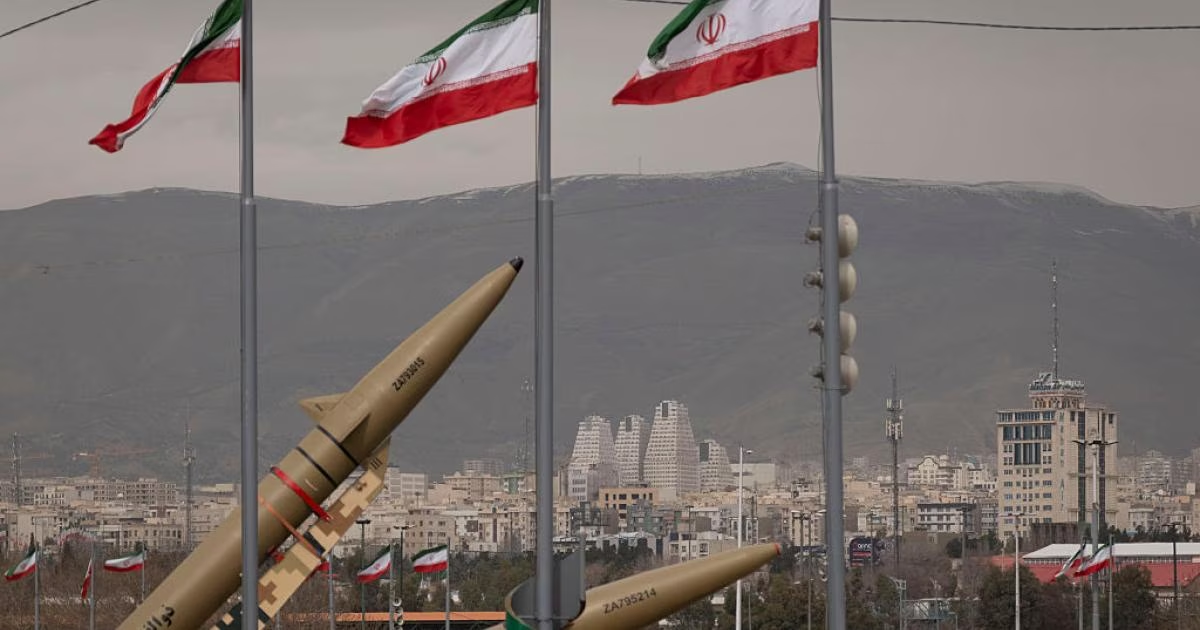
In a notable security briefing, a senior military official indicated that Israel has succeeded in striking large parts of Iran's missile capabilities, but warned of Tehran's high capacity for restoration. The official explained that the biggest surprise was the speed with which Iran restored its missile capabilities after previous rounds of escalation, which has become a direct and continuous threat to Israeli security.
Concerns are escalating in Tel Aviv about the possibility of Iran transferring vital parts of its nuclear program to fortified facilities deep within mountainous areas. Sources confirm that these underground facilities are difficult to access or destroy by the Israeli or even American air force, which could grant Tehran nuclear immunity from traditional aerial targeting.
Despite Israeli claims that the decrease in the rate of Iranian missile launches is due to the success of air raids, the Israeli army does not rule out Tehran's ability to carry out surprise attacks. The military official acknowledged that the complete elimination of launch platforms or the Iranian missile program is militarily impossible, an admission that reflects the magnitude of the field challenge.
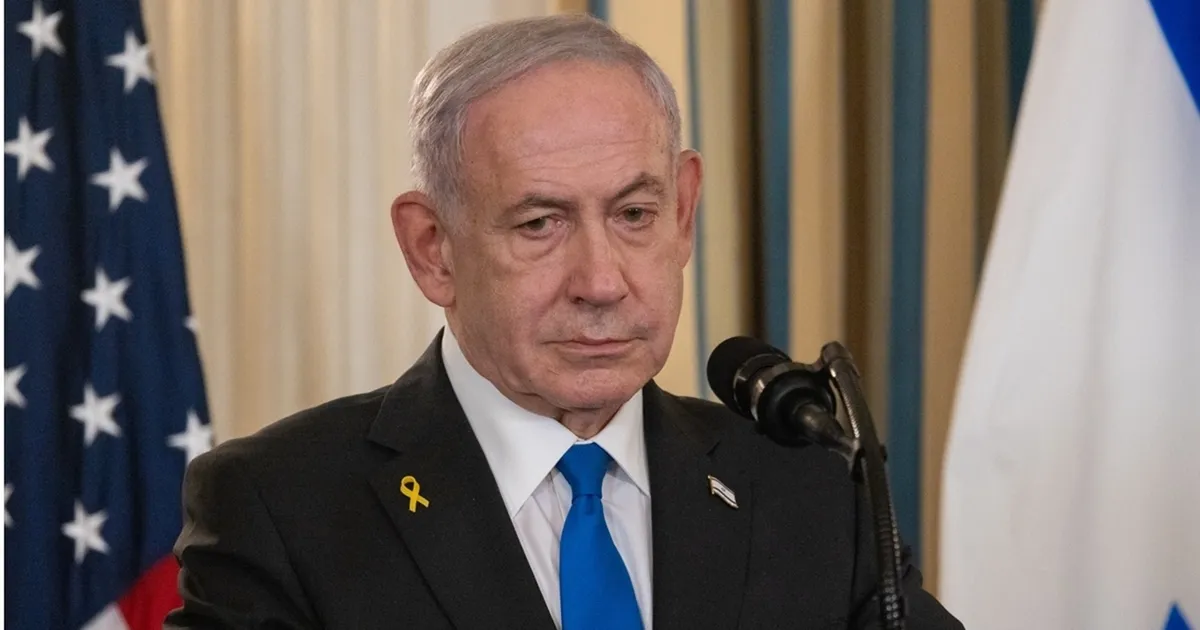
In an implicit criticism of the political leadership, the military official warned of a state of 'arrogance' that might afflict some leaders, pointing to an internal credibility crisis. These warnings come after previous statements by Prime Minister Benjamin Netanyahu claiming a 'historic victory' and the destruction of Iranian capabilities, only for it to later become clear that Tehran had restored a large part of its strength in record time.
Israeli assessments concluded that the idea of overthrowing the Iranian regime from within is not imminent as some had promoted, and that this process could take much longer than expected. This trend confirms that Israeli bets on a rapid collapse of the Iranian regime's structure lacked realistic accuracy, imposing a new reality on the military negotiation table.
In conclusion, it appears that the next phase will witness a calculated escalation aimed at depleting Iranian capabilities without reaching the brink of an all-out war whose outcomes may not be guaranteed. Coordination with Washington remains the primary umbrella under which Israel operates, in an attempt to narrow the gap between ambitious goals and the complex field reality imposed by Iranian military power.
The complete elimination of launch platforms or the Iranian missile program is impossible, and this raises deep concern within the military establishment.



Share your opinion
Israeli-American Coordination to Approve New Military Plans in Iran Amid Acknowledgment of Difficulty in Overthrowing the Regime