





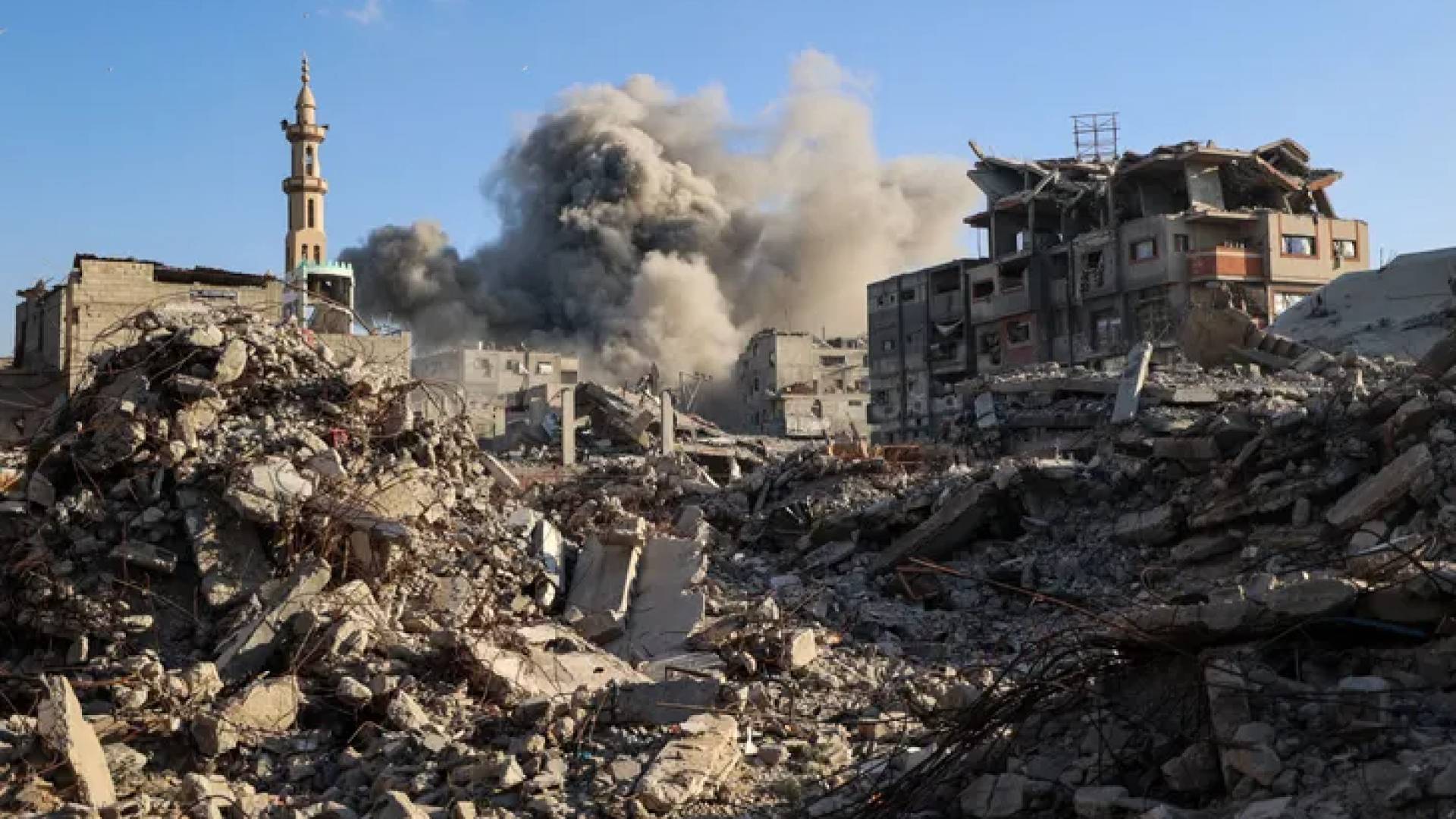
International press reports have revealed an alarming surge in casualties among women, children, and migrants due to ongoing Israeli attacks on Lebanon. Sources indicated that this increase is primarily due to intensified targeting of densely populated urban areas, leading to severe human losses among civilians compared to previous rounds of escalation.\n\nAccording to data released by the Lebanese Ministry of Public Health and the World Health Organization (WHO) office, recent days have witnessed a bloody shift in the nature of injuries. Figures recorded up to mid-last week show 83 children killed and 254 injured, representing approximately 23 percent of the total casualties in these confrontations.\n\nThe total number of killed and injured in less than two weeks reached about 1524 people, with statistics showing that women constitute 21 percent of this toll. Reports also noted that migrants, mostly Syrian and Palestinian refugees, account for 10 percent of the victims, reflecting the scale of the tragedy affecting the most vulnerable groups.\n\nDr. Abdalnasir Abubakar, WHO Representative in Lebanon, affirmed that strikes targeting densely populated residential areas cause widespread collateral damage. He pointed out that many civilians were unable to leave danger zones despite warnings, due to a lack of alternative options or safe shelters to resort to under current circumstances.\n\nSources spoke of tragic conditions faced by migrants and foreign workers, some of whom were left to tend farms in southern areas under bombardment. In other cases, these migrants faced difficulties accessing public shelters overcrowded with displaced people, making them directly vulnerable to shrapnel and explosions, which are the primary cause of fatalities.\n\nOn the medical front, the UN official explained that the organization had prepared in advance for potential escalation by supplying hospitals with necessary equipment to treat severe injuries. Despite these preparations and training undergone by medical teams, the continuous influx of wounded places immense pressure on the already strained health system, exhausted by successive economic crises.\n\nAbubakar warned that health authorities are developing scenarios to cope with the possibility of casualties reaching ten thousand people, which could lead to a complete depletion of medical supplies. He added that the biggest challenge lies in securing the necessary international funding to replenish essential supplies, in the absence of new international donations commensurate with the scale of the disaster.\n\nRegarding displacement, official estimates indicate approximately 700,000 displaced persons, but field projections suggest the number exceeds one million. These displaced individuals live in harsh conditions, with many forced to sleep in the open or in rudimentary tents lacking the basic necessities for a dignified life in the streets of the capital, Beirut.\n\nThe humanitarian crisis is exacerbated by displaced persons, especially the elderly, losing access to their essential medications for chronic diseases such as diabetes and high blood pressure. Medical sources confirmed a severe shortage in some areas of insulin and blood transfusion equipment, in addition to the urgent need for psychological support services for those affected by bombing and forced displacement.\n\nIn addition to direct injuries, the risk of infectious disease outbreaks looms due to overcrowding in shelters and the absence of sanitary conditions. Medical teams have recorded an increase in respiratory tract infections among children, with serious concerns about the spread of epidemics such as cholera, measles, and polio, posing an additional threat to public health.\n\nReports indicated that the risk of polio in Lebanon has become "very high," especially after cases of the disease were detected in the Gaza Strip some time ago. This threat requires a rapid response and widespread vaccination campaigns, which is increasingly difficult amidst ongoing military operations and the targeting of health infrastructure in the country.\n\nThe health sector has not been spared from direct targeting, with 49 primary care facilities and five hospitals in the south forced to close completely. Four other hospitals suffered varying degrees of damage, reducing the capacity of the medical system at a time when every available bed is desperately needed.\n\nIn a heavy toll for ambulance crews, 16 healthcare workers were killed and 29 others injured while performing their humanitarian duties. Most of these victims fell during strikes targeting emergency teams and paramedics who were trying to rescue the injured from under the rubble at targeted sites.\n\nSources concluded by issuing an urgent appeal for the necessity of protecting medical workers and ensuring the safety of health facilities in accordance with international laws. They stressed that continued targeting of paramedics hinders rescue operations and increases the number of avoidable deaths if necessary protection were provided to field teams.\n\nCivilians in Lebanon deserve better, and the country faces a series of successive crises, and this is the last thing the Lebanese needed.

PALESTINE
Fri 13 Mar 2026 10:59 am - Jerusalem Time
International Reports: Record Rise in Civilian Casualties in Lebanon from Women, Children, and Migrants

Tags
MORE FROM PALESTINE

Share your opinion
International Reports: Record Rise in Civilian Casualties in Lebanon from Women, Children, and Migrants