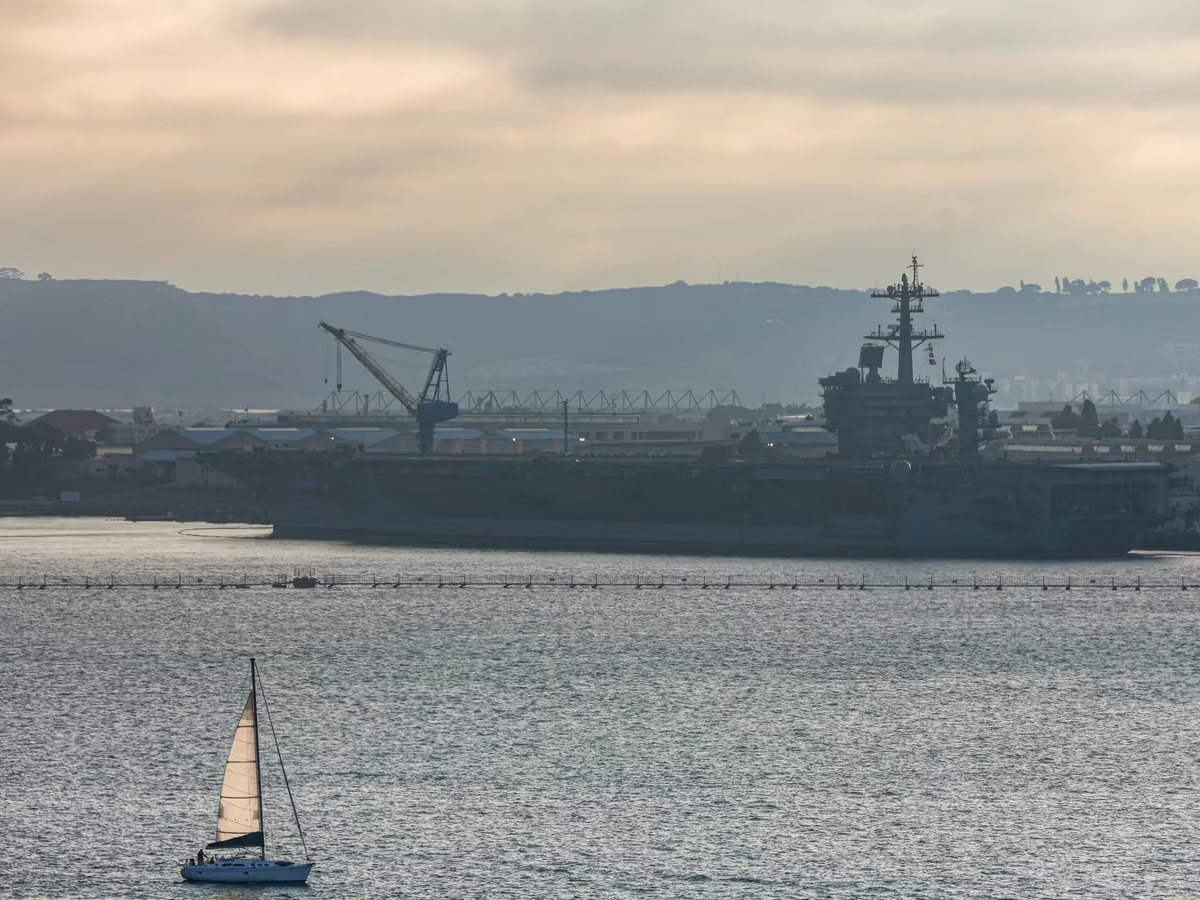







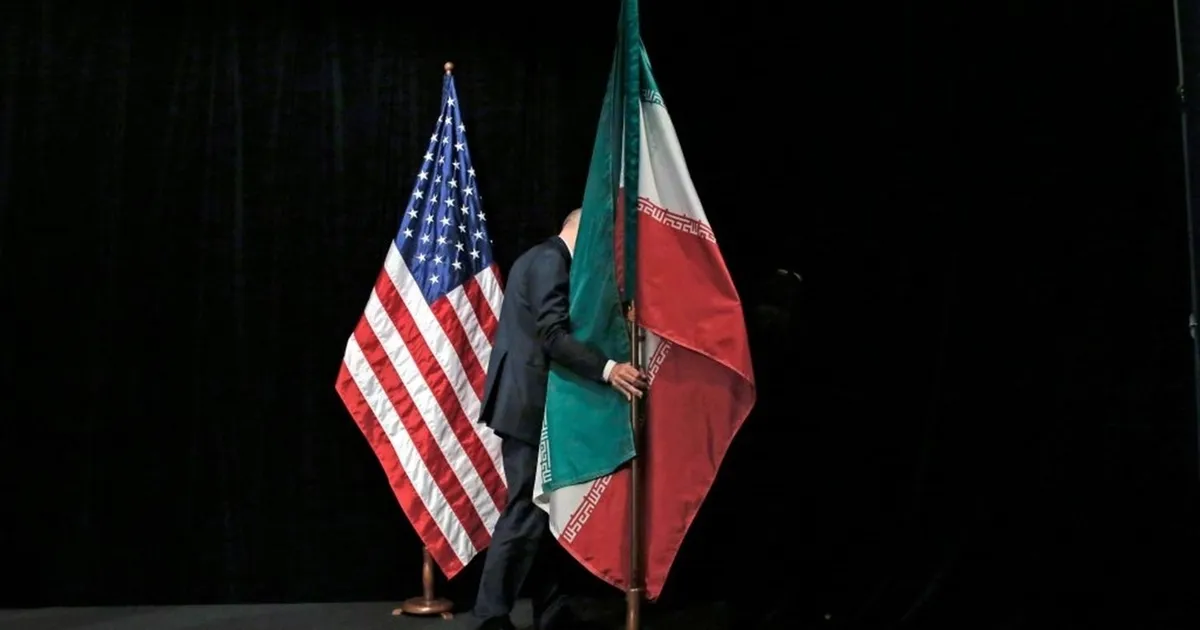
The simultaneous American call for diplomatic dialogue with Iran and the escalating military reinforcements in the Middle East represent a paradox that reveals the depth of the crisis between Washington and Tehran. US envoy Steve Witkoff expressed hope for a comprehensive settlement covering Iran's uranium enrichment file, its missile program, and what he described as "Tehran's proxies" in the region, coinciding with reports of defensive and offensive reinforcements being sent in preparation for a possible decision by President Donald Trump to launch a military strike against Iran.
The program "Beyond the News" raised pivotal questions about the seriousness of the American diplomatic offer in light of the military movements, how Tehran interprets these conflicting signals and its readiness to negotiate on the issues raised, the impact of Iranian protests and the resulting tension on the chances of resuming dialogue, as well as the potential role of regional countries in containing the risk of confrontation.
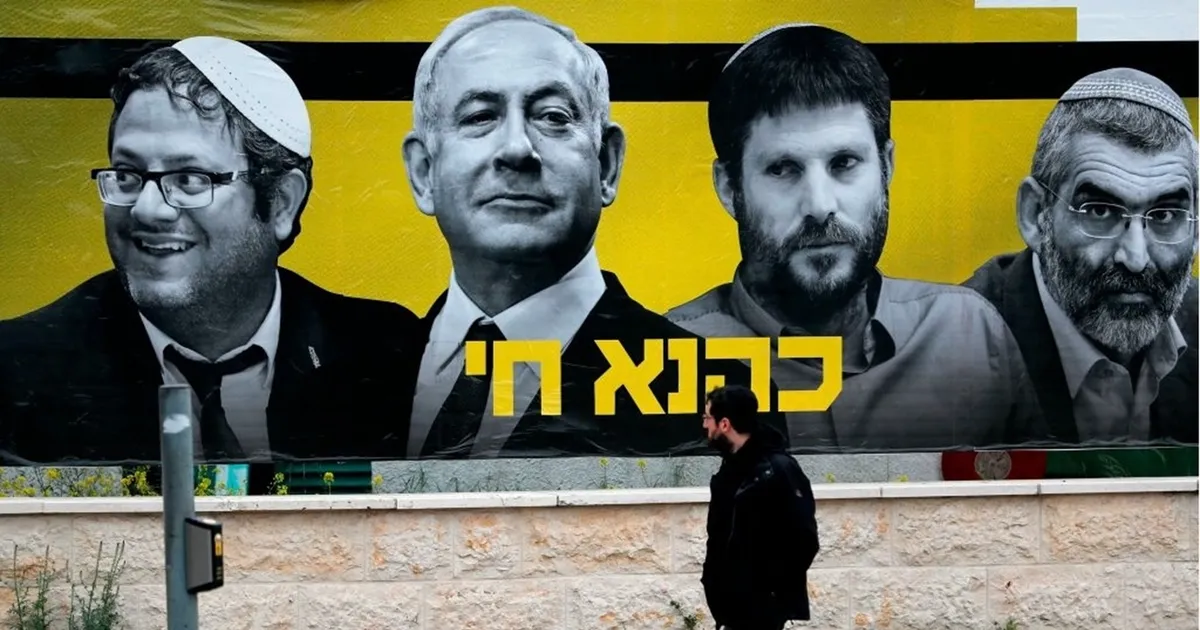
Sources revealed that the US military is mobilizing additional forces in anticipation of any military scenario, while the "Axios" website reported information about the arrival of the head of Israeli Mossad in the United States to discuss the Iranian situation. US officials also confirmed that the military option remains on the table if the repression of protesters continues, according to the American narrative that speaks of the killing of more than 1,200 Iranian civilians.
In contrast, Iranian Foreign Minister Abbas Araqchi clarified that communication channels with Witkoff have been ongoing since before the protests, but he stressed the impossibility of combining diplomatic proposals with military threats. Paul Davis, a professor at the Institute of World Politics, believed that the diplomatic path represents the preferred option, and that military reinforcements constitute only a deterrent factor, explaining that stopping violence against protesters is a prerequisite for any diplomatic progress, noting that Washington will not accept an Iranian nuclear program under any circumstances.
While Dr. Hassan Ahmadian, an academic professor of Middle East studies, rejected American claims of defending protesters, considering that Washington supported military strikes on Iran 6 months ago. He explained that diplomacy effectively stopped after the war, and that American demands aim to strip Iran of all its nuclear, missile, and regional power tools, stressing that Tehran will not accept negotiating about its military capabilities under any circumstances or leadership.
In the same context, Dr. Mahjoob Zweiri, an expert in Middle East policies, pointed out that the current American demands have their roots in Donald Trump's withdrawal from the nuclear agreement in May 2018, where he aimed to achieve "zero enrichment" without announcing it. He indicated that regional transformations, including the change in Syria and the strike on Iran in June 2025 and October 7, pushed Washington to escalate its demands from limited enrichment levels to a complete cancellation of the program. He explained that American intransigence stems from Washington and Tel Aviv's conviction that Iran has lost its cards of power.
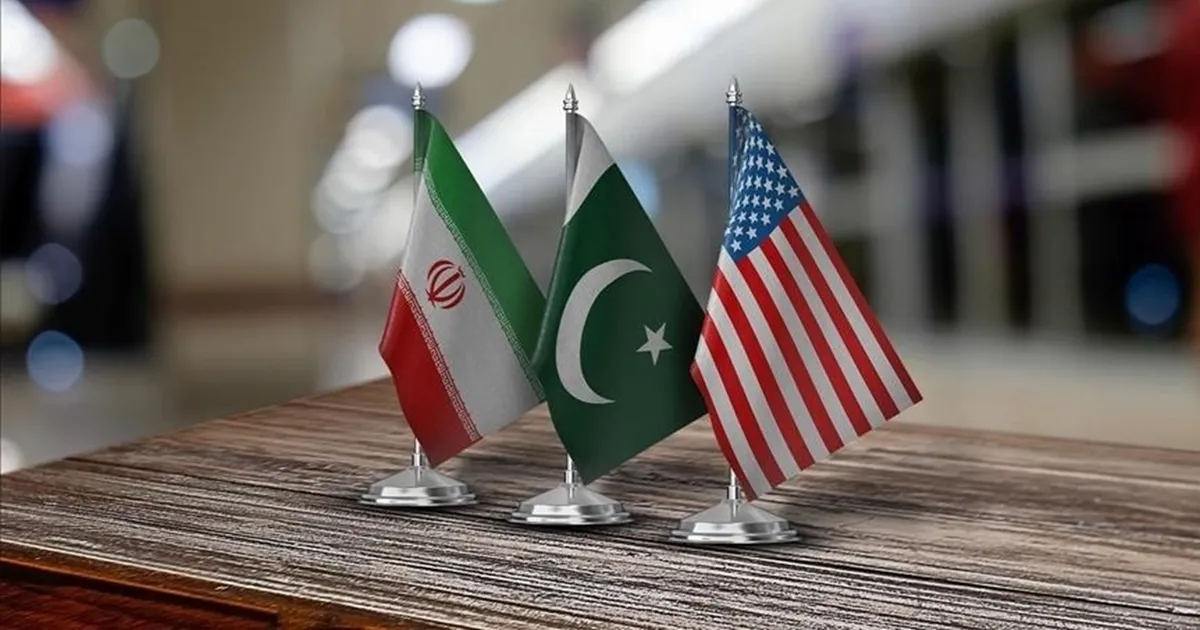
Zweiri predicted possible scenarios including Tehran trying to buy time through limited concessions to get through Trump's term, or building a regional alliance including Pakistan and Gulf countries to raise the cost of war, and warned of concerns about the impact of any confrontation on the energy sector and economic stability. While some believe that Washington takes the interests of its allies into account, Davis affirmed that the United States is energy independent but will consult with its allies and Europe.
Contrary to this view, Ahmadian pointed out that since the collapse of the nuclear agreement, Iran has sought to build alliances with neighboring countries and emerging powers, a policy inherited by successive governments, and noted the movements of Saudi Arabia, Qatar, and Oman to prevent military confrontation. Zweiri concluded that the solution lies in the region's countries realizing that Israeli overreach and excessive weakening of Iran will not serve anyone's interests, which necessitates a balanced settlement that prevents escalation.
The diplomatic path represents the preferred option, and military reinforcements constitute only a deterrent factor.
Share your opinion
Conflicting Messages.. America Offers Dialogue and Mobilizes Forces Against Iran