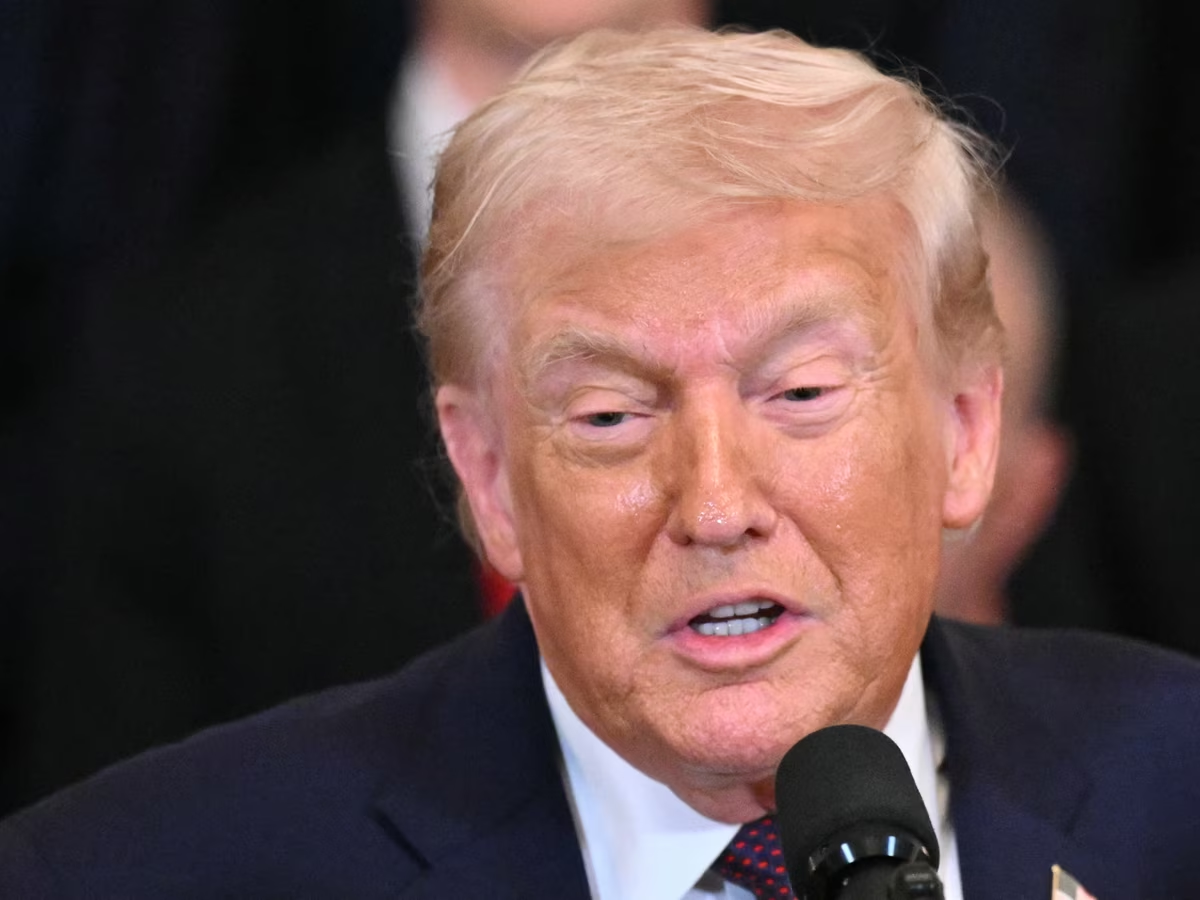







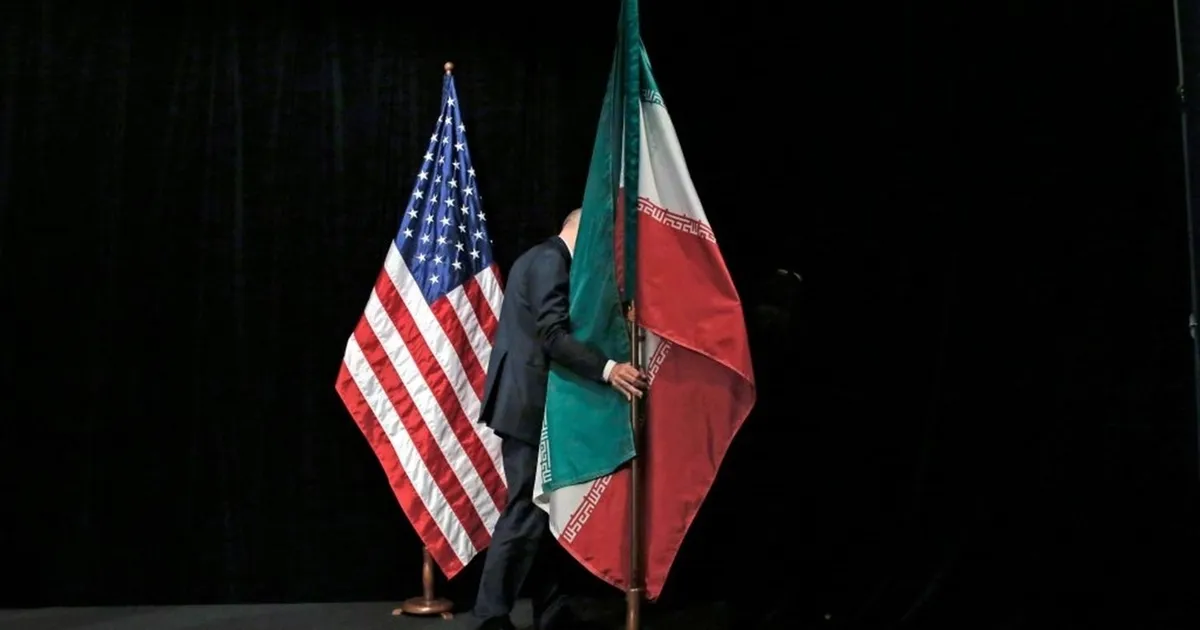
On Saturday, January 10, less than two weeks after the outbreak of the protests now sweeping Iran, US President Donald Trump resorted to his favorite social media platform to post a message of support, saying: "Iran is looking for freedom, perhaps as never before. The United States is ready to help!!! President Donald J. Trump." As usual, Trump's use of capital letters and excessive exclamation marks seems more like the style of a teenager than the leader of a global superpower. However, the promise of American "help" raises much deeper and more serious problems.
First and foremost, "help" is not a US specialty, especially under the leadership of a man who bombed Iran last summer, shortly after returning to power on a pledge to keep the United States out of foreign wars. Additionally, Trump is responsible for maintaining a suffocating sanctions regime imposed on the Islamic Republic, which contributed to the high inflation rates that ignited the current protests in the first place. As always in such forms of economic warfare, it is the non-elite segments of Iran that have paid the highest price.
Beyond Trump's latest offer of "help" to Iranians being a departure from the entire "America First" premise, it also represents a shift in presidential rhetoric towards this country that has long been demonized. Previously, Trump's rhetoric primarily focused on Iran's alleged pursuit of nuclear weapons and ballistic missiles equipped with chemical and biological warheads, all of which was marketed as a serious threat not only to the United States but also to America's closest friends and most prominent regional partners in the ongoing genocide, namely the state of Israel. But Trump now appears in a "rescue" posture, having warned this month: "If Iran shoots (as it was reported) and violently kills peaceful protesters, as is its custom, the United States of America will come to their rescue." On Tuesday, Trump assured Iranian protesters that "help is on the way," without clarifying the nature of this help.
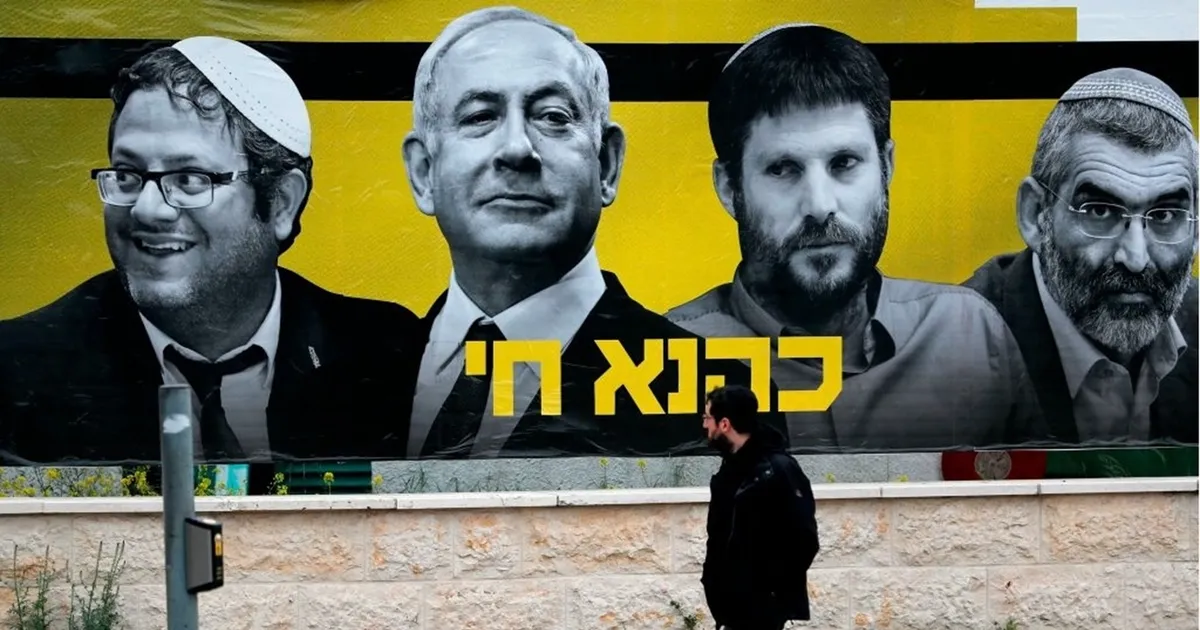
Right-wing American media quickly echoed the rhetoric with encouraging headlines such as: "Trump has a historic opportunity to help overthrow the anti-American Iranian regime." For his part, Israeli Prime Minister Benjamin Netanyahu joined this discourse, asserting that Israel supports "the struggle of Iranian protesters for freedom, and strongly condemns the mass killings of innocent civilians" - a striking statement from a person who has overseen the extermination of Palestinians for more than two years.
With Trump's recent promises of "help," it's hard not to wonder if he's borrowing a page from the old policy playbook of former US President George W. Bush, the architect of the "War on Terror," and the face of an administration dedicated to spreading the neoliberal (neoconservative) ideology that Trump has long claimed to vehemently oppose. At its core, neoconservatism aims to create military chaos around the world, using the promotion of democracy and seemingly humanitarian ideas as a pretext for bloody imperial expansion. Although Trump succeeded in winning over many American voters by his alleged pledge to abandon such foreign adventures, and instead focus on self-isolation and "making America great again," the neoconservative tendency, it seems, is hard to shake off.
Certainly, Trump's presidency evokes George W. Bush's presidency in more ways than one. Both men are characterized by comical behavior, not to mention a striking relationship with English grammar and spelling, which would have been entirely amusing were it not for the widespread bloodshed each oversaw during their tenure. Similarly, both showed excessive enthusiasm for relying on God in their destructive endeavors. Despite Trump's declared opposition to regime change policy, and to the Bush-era interventions in Iraq and Afghanistan - as part of what was known as the "War on Terror" which ended with the deaths of millions of people - in his first year after returning to power, he managed to bomb a group of countries, in addition to arresting Venezuelan President Nicolas Maduro.
As for Florida Congressman Randy Fine, who recently introduced a bill allowing Trump to annex Greenland, he resorted to the "X" platform to suggest: "Perhaps we should Maduro Khamenei." In this context, "Khamenei" refers to Iranian Supreme Leader Ali Khamenei, while the word "Maduro" is used here as a new verb meaning to kidnap the leader of a sovereign state.
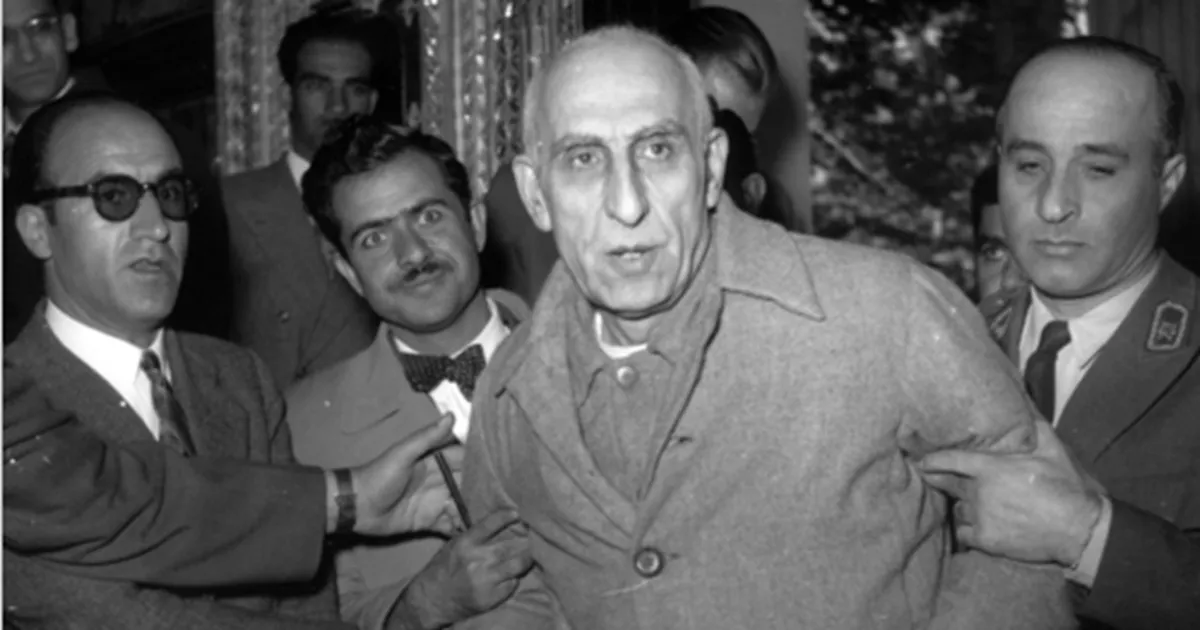
But while Trump today promises that the United States is "ready to help!!!" Iran, it is worth pausing at previous instances of American "help!!!" in this country - such as what happened in 1953, when the US Central Intelligence Agency (CIA) orchestrated a coup that overthrew democratically elected Prime Minister Mohammad Mosaddegh, a coup that paved the way for decades of rule by the Shah of Iran, known for his widespread torture practices, before he was overthrown by the Iranian Revolution in 1979. Ironically, the son of the late Shah is active today, from his position in luxurious exile outside Washington D.C., calling for American intervention in Iran.
At the same time, Trump may have realized the benefits of "helping" the peoples of other countries as a means of diverting attention from undemocratic realities within the United States itself, including its transformation into a full-fledged police state, where immigration enforcement agents feel free to kill American citizens with impunity. And with Trump continuing to almost directly evoke Bush, the last thing Iranians need today, most likely, is for "the United States to come to their rescue."
However, the promise of American "help" raises much deeper and more serious problems.
Share your opinion
Trump's Poisoned Offer to Iranians