






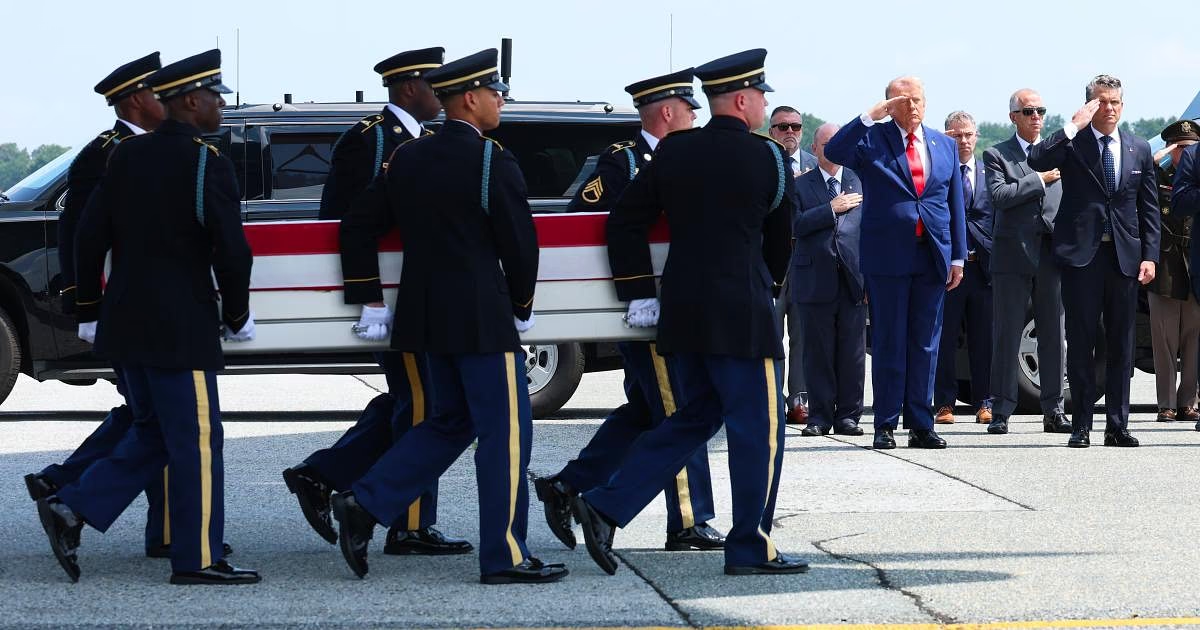
The US Department of Defense (Pentagon) has taken a controversial step by reclassifying a number of US Army dead and wounded who fell during military confrontations with Iran. This move has sparked sharp criticism within political circles in the United States, amid accusations that the department is trying to obscure the true human cost of this ongoing war.
According to press reports, casualty data has been moved from the designation of 'Epic Fury' operation, the official name given to the war by President Donald Trump's administration, to a new classification called 'Overseas Contingency Operations'. Observers believe that this change may aim to separate the losses from the direct military operation and distribute them among other administrative categories.
The debate began in the halls of Congress last week after the sudden deletion of four deaths of American soldiers from the Defense Casualty Analysis System database was noted. The deleted cases included three soldiers who died in a ballistic missile attack targeting a US base in Jordan in mid-July, in addition to a fourth soldier killed in a drone attack inside Iraq.
The Pentagon justified this initial deletion as resulting from a 'temporary glitch' in digital data processing, stressing that there were no intentions to hide facts from the public. With the re-inclusion of the names later, observers were surprised by the revelation of 207 additional injuries that had not been previously announced, which increased skepticism about the accuracy of reports issued by the Department of Defense.
Updated data indicates that the new category of classification includes losses that occurred after the announcement of a temporary ceasefire between Washington and Tehran. That period had witnessed diplomatic attempts to reach a negotiated settlement, but talks later collapsed, leading to a resumption of military operations at a more intense pace.
This data revelation coincided with congressional hearings, where Secretary of Defense Pete Hegseth and Chairman of the Joint Chiefs of Staff General Dan Kin defended a request for additional funding. Military officials confirmed that the cost of war operations since their launch last February has exceeded $37 billion, putting additional pressure on the federal budget.
For its part, the Trump administration insists that the diplomatic option is still on the table before moving towards any comprehensive and new military escalation. The administration categorically denied reports suggesting that the previous temporary de-escalation was due to a shortage of defensive weapons in the US forces in the region.
The Department of Defense has not yet provided a detailed explanation of the fundamental reasons for moving casualties to the new classification, or the extent of its impact on the legal status of military personnel. Official sources merely indicated that the procedures are purely administrative, while international media reported clear discrepancies in casualty statistics between various government agencies.
According to the latest statistics, the war with Iran has resulted in 18 US soldiers killed and more than 600 injured with varying degrees of wounds. The Pentagon clarified that a large number of these wounded have recovered and have already returned to their military duties in their various units, despite the seriousness of the injuries they sustained.
Veterans' organizations warned of the legal and financial repercussions of this reclassification, stressing that it could deprive military personnel of their entitlements. These organizations explained that changing the name of the military operation in a soldier's permanent record directly affects the quality of healthcare and retirement benefits they receive later.
Jess Finucane, a spokesperson for a veterans' organization, said that the military record must accurately reflect the nature of the combat operations soldiers have engaged in. She called on the US administration to show full transparency and bear moral and legal responsibility for all human costs resulting from involvement in the conflict with Iran.
It is worth noting that direct military confrontations began on February 28, when the United States, in cooperation with Israel, launched large-scale attacks. These attacks, according to estimates issued by Tehran, resulted in the deaths of more than 3,000 people, which prompted the Iranian side to respond with a series of attacks targeting American facilities and bases.
Several vital US military facilities were subjected to missile and drone attacks, resulting in mass casualties among the forces. The issue of transparency in announcing casualties remains a focus of political struggle within Washington, where opposition lawmakers are demanding a detailed report clarifying the reality of what is happening on the ground, away from manipulation of administrative designations.
Changing the classification of individuals within military records can have long-term effects, including healthcare, government benefits, and entitlements for the families of the deceased.
شارك برأيك
Controversy in Washington after Pentagon reclassifies US Army casualties in war with Iran