






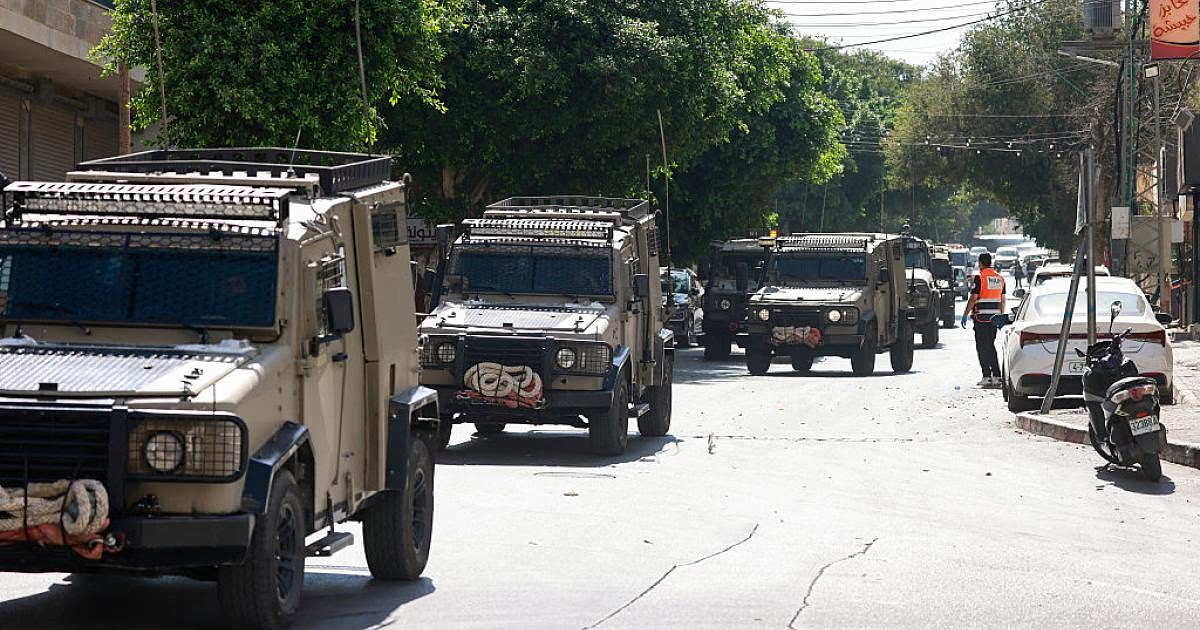
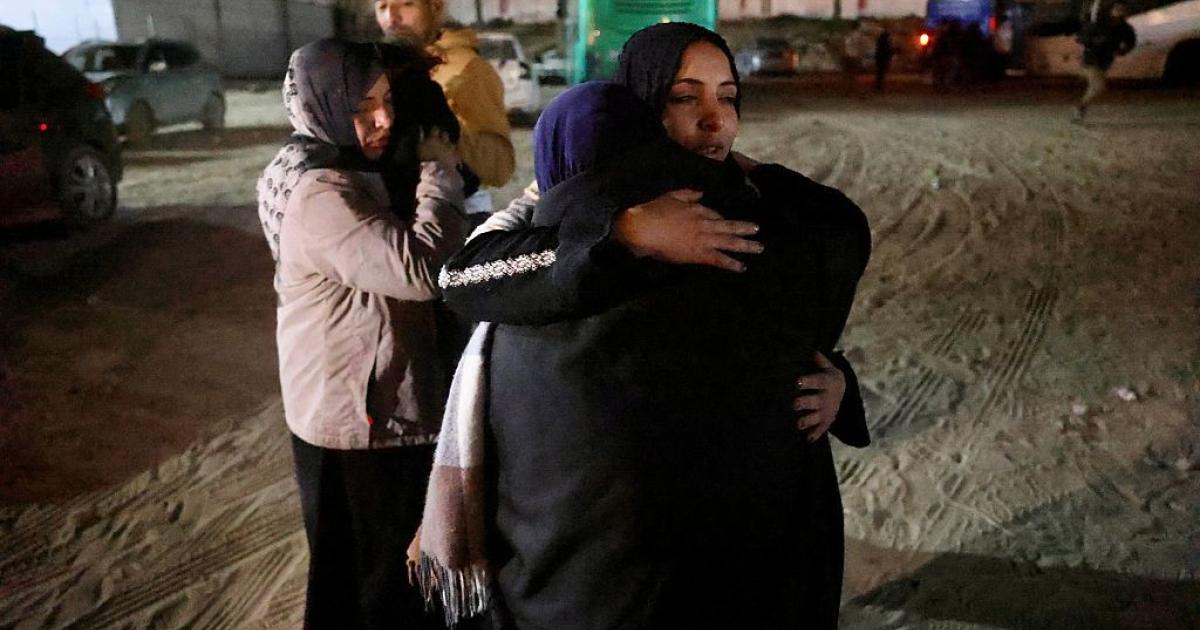
A state of anxiety and tension prevailed in Nablus Governorate after Israeli occupation forces, supported by groups of settlers, detained four Palestinian women and abused them in the area between the towns of Al-Lubban and Al-Sawiya. Field sources reported that occupation soldiers stopped the vehicle they were in and began searching it and assaulting the passengers, while their fate remains unknown until this moment.
In the context of political escalation, Israeli Prime Minister Benjamin Netanyahu revealed new instructions he issued to the army leadership to intensify raids on Palestinian villages in the West Bank. Netanyahu claimed that these operations aim to conduct thorough searches and confiscate what he described as weapons, in addition to carrying out widespread arrest campaigns targeting those he called suspects.
For his part, Israeli Security Minister Yisrael Katz hinted at unprecedented steps against Palestinian population centers, indicating that Tel Aviv is seriously considering the option of evacuating entire towns in the West Bank. Katz likened these plans to what was previously implemented in the camps, which portends a new phase of forced displacement under flimsy security pretexts.
On the ground, medical sources in the Palestinian Red Crescent confirmed that the occupation authorities obstructed the access of healthcare to patients, preventing ambulances from transporting 14 patients in urgent need of dialysis sessions from rural Nablus to hospitals. This prevention coincided with a strict closure of military checkpoints and iron gates surrounding the city, completely isolating it from its surroundings.
In Tulkarm Governorate, the governor warned of the danger of field coordination between the occupation army and settlers in carrying out attacks on villages and towns. The governor called on citizens to activate popular guard committees to protect property, demanding immediate intervention from the international and Arab communities to stop these plans targeting the Palestinian presence.
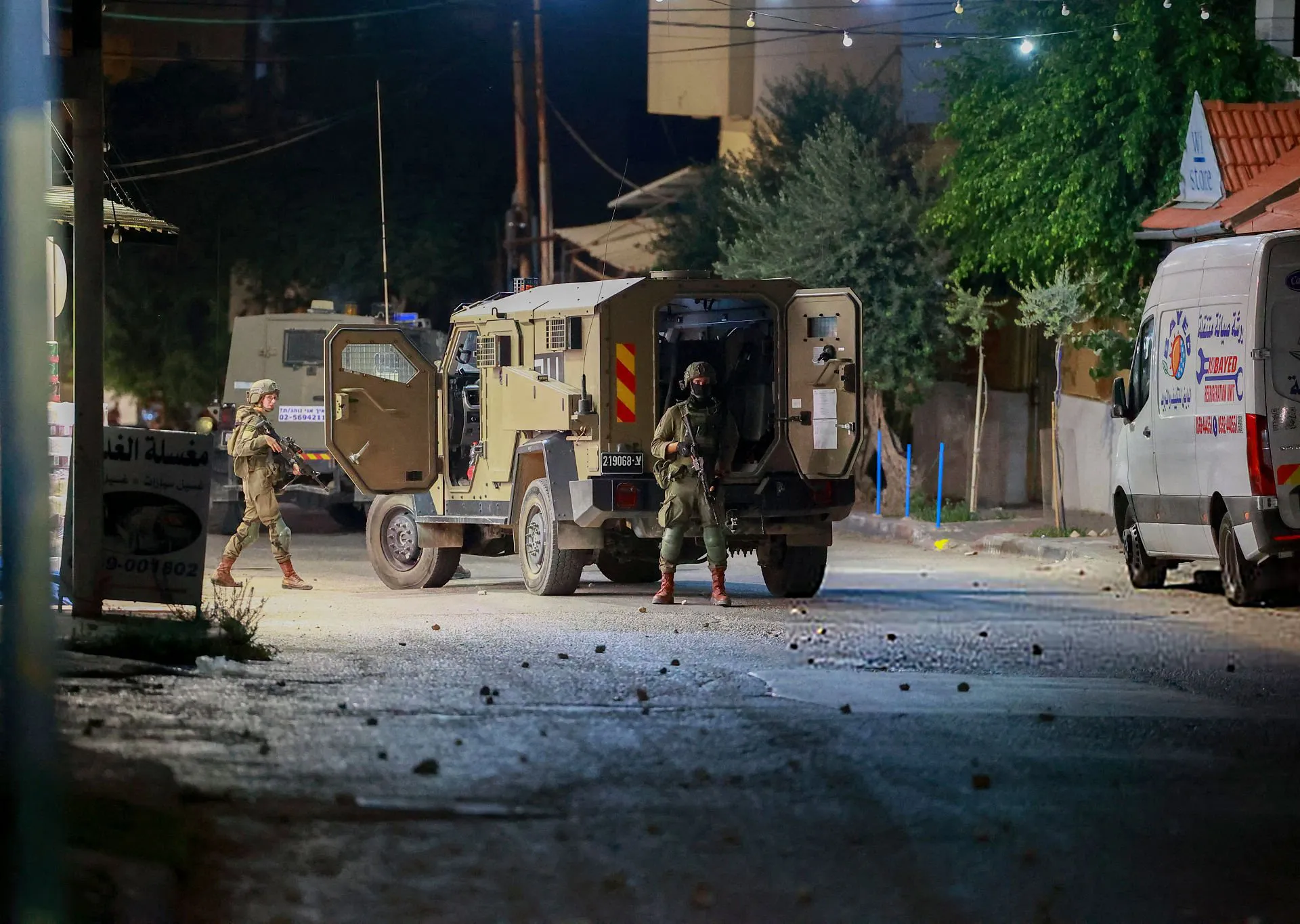
The town of Huwara, south of Nablus, witnessed a new method of abuse, where occupation soldiers open iron gates to lure Palestinian vehicles before suddenly ambushing them. Soldiers confiscate car keys and assault citizens, practices documented by activists with video clips showing the extent of daily violations.
Regarding arrests, occupation forces launched a widespread campaign affecting more than 60 citizens in various governorates of the West Bank in recent hours. This campaign focused on Nablus Governorate, which recorded 24 arrests, most of them in the town of Tell, in an attempt to intimidate the residents and undermine any popular movement.
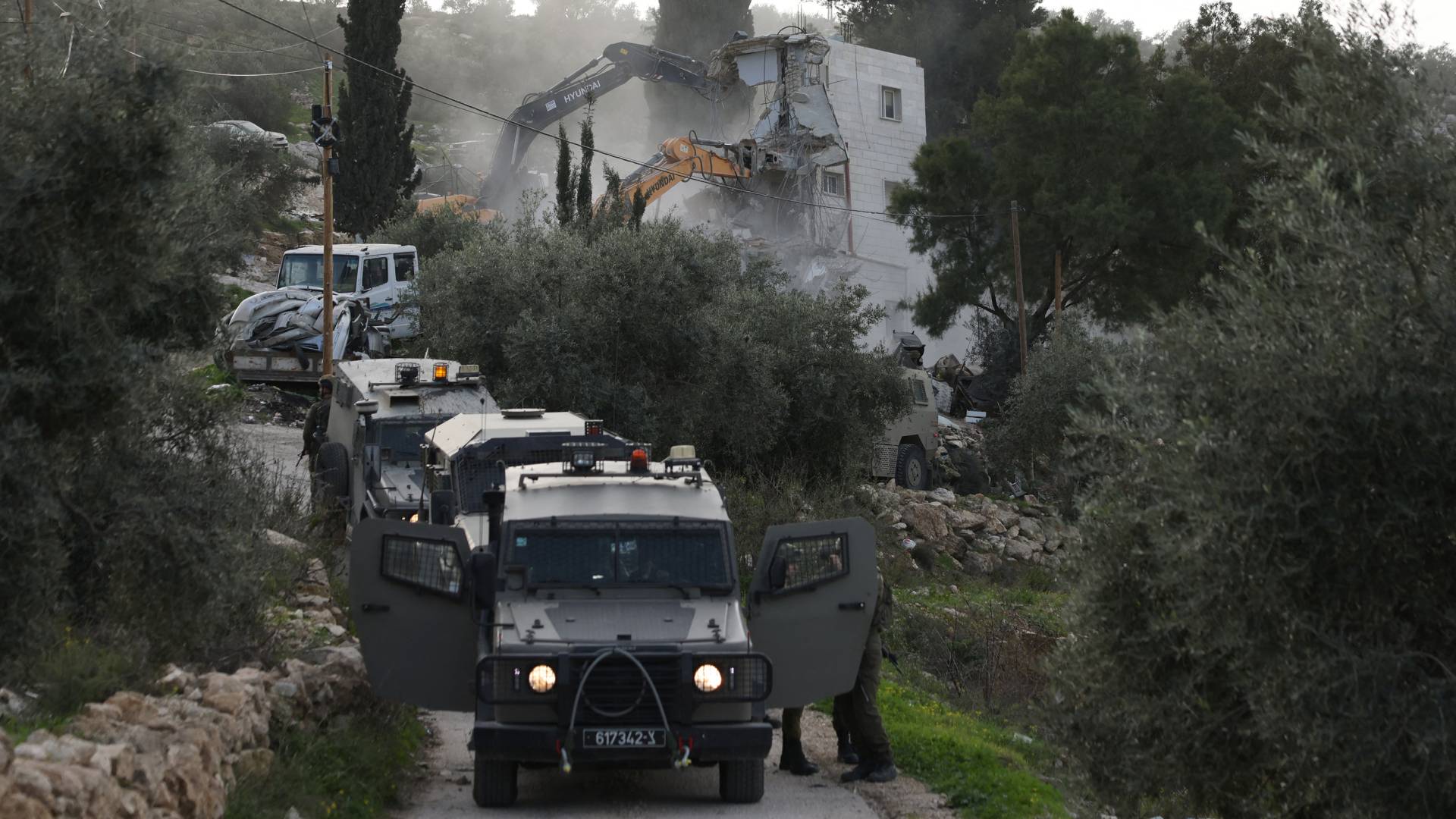
Violations did not stop at arrests but also included the policy of collective punishment through house demolitions, as occupation engineering forces stormed the homes of two martyrs in the area and took their engineering measurements. This step comes as a preliminary measure to detonate or demolish the homes later, as part of the occupation's systematic policy against the families of resistance fighters.
In a blatant attack on holy sites, settlers set fire to two mosques in the towns of Qusra, south of Nablus, and Kour, south of Tulkarm, causing extensive material damage. Economic facilities were also targeted, as heavy equipment was set on fire in a quarry in the Ein Samiya area, east of Ramallah, under full protection from army forces.
In Salfit, settlers began establishing a new outpost on the lands of Deir Istiya town, in a step aimed at seizing more Palestinian lands and connecting settlements. These movements come amid military facilities granted to settlers for freedom of movement, while Palestinians are deprived of movement between their cities and villages.
Statistical reports issued by the occupation army radio indicated a sharp jump in the pace of settler attacks, recording a 63% increase during the first half of this year. This figure reflects the green light given by the far-right government to settlers to carry out organized attacks against unarmed civilians.
Finally, observers believe that the closure of military checkpoints surrounding major cities such as Ramallah and Nablus is not merely a security measure, but a tactic to facilitate settler attacks. These closures prevent the arrival of popular or medical aid to targeted villages, leaving residents in direct confrontation with armed settler attacks.
Israel is considering the possibility of evacuating towns in the West Bank, as it did with the camps.

شارك برأيك
Unknown fate for 4 women in Nablus and Israeli threats to displace towns in the West Bank