







Hundreds of Palestinian workers in the city of Khan Yunis, southern Gaza Strip, marched on Saturday in a large protest that swept through the city's streets. Participants in the event demanded the securing of their basic rights to work, food, and shelter, warning of the continued deterioration of humanitarian and living conditions, which have reached catastrophic levels as a result of the ongoing war.
This march was organized at the call of leftist Palestinian factions, coinciding with the commemoration of International Workers' Day, which falls on May 1st of each year. Demonstrators raised banners condemning international silence regarding the suffering of workers in Gaza, emphasizing that the working class is the most affected by the policies of siege and continuous aggression on the Strip.
Participants, through their chants and slogans, stressed the urgent need for intervention by international and Arab bodies to open closed crossings and ensure the flow of humanitarian aid. They also demanded a complete end to the war and the initiation of reconstruction plans to compensate for the enormous losses incurred by economic and productive facilities.
Ashour Banat, a leader in the Palestinian People's Party, affirmed during a speech at the march that Gaza workers today face the triangle of hunger, siege, and deprivation. Banat explained that workers' demands currently focus on stopping the aggression, ensuring fair wages, and providing a safe and healthy working environment that befits the dignity of the Palestinian human being.
For his part, Issam Muammar, a member of the Workers' Union in Khan Yunis, indicated that this event is a clear message to the world about the extent of the tragedy experienced by workers. He explained that the war has caused a near-complete paralysis in the agricultural and industrial sectors, leading to hundreds of thousands of workers losing their only sources of livelihood.
Muammar called on labor unions around the world to show effective solidarity with Palestinian workers and provide urgent material and relief support to their families. He considered that continued silence regarding what is happening in Gaza represents a green light for the continuation of the systematic starvation policy practiced against the population and displaced people in tents.
In a related context, Hani Al-Assar, a member of the Political Bureau of the Palestinian Arab Front, stated that the occupation deliberately destroyed economic infrastructure, including factories and agricultural lands. Al-Assar affirmed that this systematic destruction aims to push the Palestinian economy towards complete collapse and transform society into one entirely dependent on aid.
The latest data issued by the Palestinian Central Bureau of Statistics showed shocking figures regarding the reality of the labor market in the Strip during 2025. The unemployment rate jumped to 68 percent, an unprecedented rate reflecting the scale of the catastrophe that has befallen the Palestinian workforce as a result of ongoing military operations.
Statistics also indicated a sharp decline in the labor force participation rate, which fell from 40 percent before the outbreak of the war to only about 25 percent. This means that about three-quarters of those previously working in the public and private sectors are now out of the labor market or among the unemployed.
These protests coincide with international reports describing the economic situation in the Palestinian territories as the deepest and harshest in their modern history. The United Nations Conference on Trade and Development (UNCTAD) confirmed that the Gaza Strip faces a comprehensive economic collapse that will require many years of recovery if the war stops and the siege is lifted.
Currently, about 1.9 million displaced people live in temporary tents and very harsh living conditions, out of a total population of 2.4 million in the Strip. Despite the ceasefire agreement coming into effect last October, restrictions on crossings still hinder the arrival of basic necessities and fuel.
The suffering of workers continues under a tight siege imposed since 2007, exacerbated by the war of extermination that began in October 2023. This war, according to medical and local sources, has resulted in hundreds of thousands killed and injured, as well as widespread destruction of Palestinian cities and towns in various areas of the Strip.
Gaza workers do not celebrate their international day; instead, they face hunger, siege, and deprivation of the most basic rights amidst an unprecedented economic collapse.



شارك برأيك
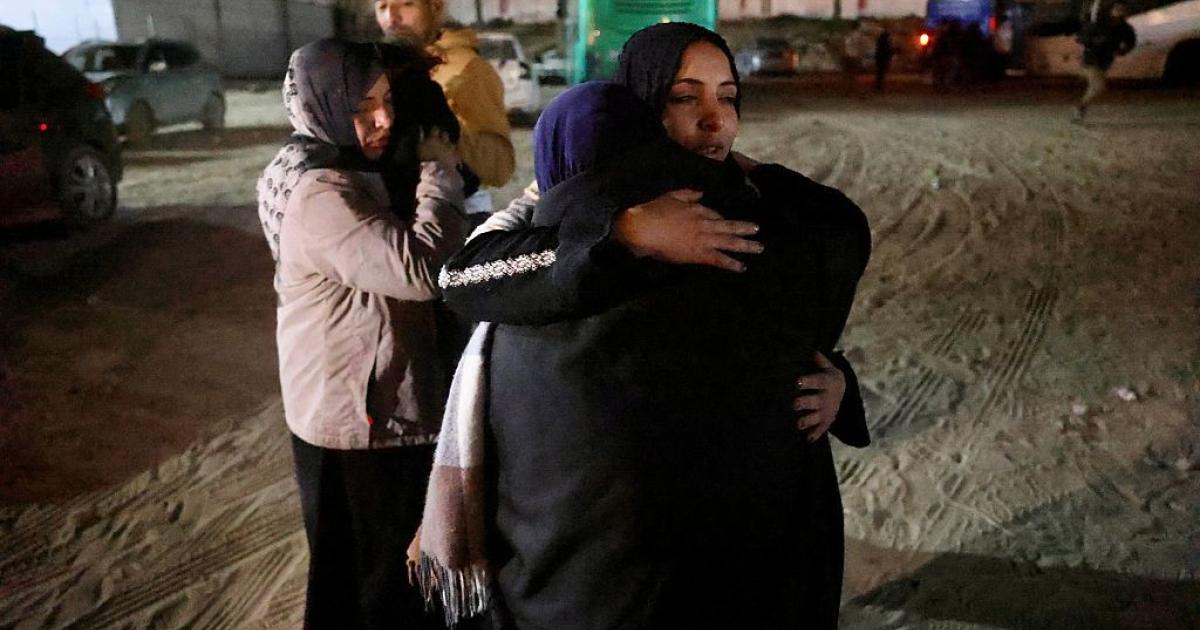
Gaza workers demonstrate in Khan Yunis condemning hunger, unemployment, and demanding an end to the siege