






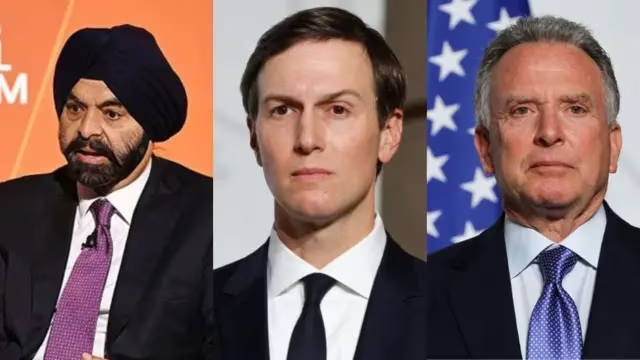
The more statements and leaks there are about the "Peace Council" that US President Donald Trump announced he would establish, the more ambiguous the picture becomes instead of clearer. From the first moment Trump announced his intention to lead this council to oversee the ceasefire in Gaza, it became clear that the project goes beyond a mere temporary mechanism to manage the post-war phase, opening the door to a broader redefinition of international conflict management frameworks.
Over the past few days, dozens of countries have received official invitations to join the new council, including traditional US allies such as Britain, France, Canada, and Saudi Arabia, as well as countries not considered within the American orbit, such as Russia and Belarus. This unprecedented diversity in the list of invitees raised questions about the nature of the council, the limits of its political alignments, and whether it is intended to be a truly inclusive platform or an expanded American influence tool.
A careful reading of the Council's charter, which was attached to the invitations, revealed that Trump's vision is not limited to Gaza alone. The charter states that the Council aims to "secure lasting peace in conflict-affected or threatened areas," meaning its mandate would be expanded to include other global conflicts, under the slogan of establishing "a more flexible and effective international body than existing frameworks."
This ambition was met with sharp criticism, as opponents saw that the Trump administration was practically seeking to establish a parallel entity to the United Nations, dominated by Washington, reflecting the President's distrust of traditional international institutions, which he has long accused of bias and bureaucratic bloat. Although the UN Security Council approved a US-drafted resolution in November granting the Council a cover of legitimacy, doubts about its true intentions have not dissipated.
Under the charter, Trump, as chairman of the Council, enjoys broad and unprecedented powers, including appointing a second executive board, possessing an effective veto right, and even naming his successor. Countries wishing to obtain permanent membership are also required to pay more than a billion dollars in the first year, which opens the door to a huge budget, without sufficient clarity on the mechanisms for monitoring its expenditure.
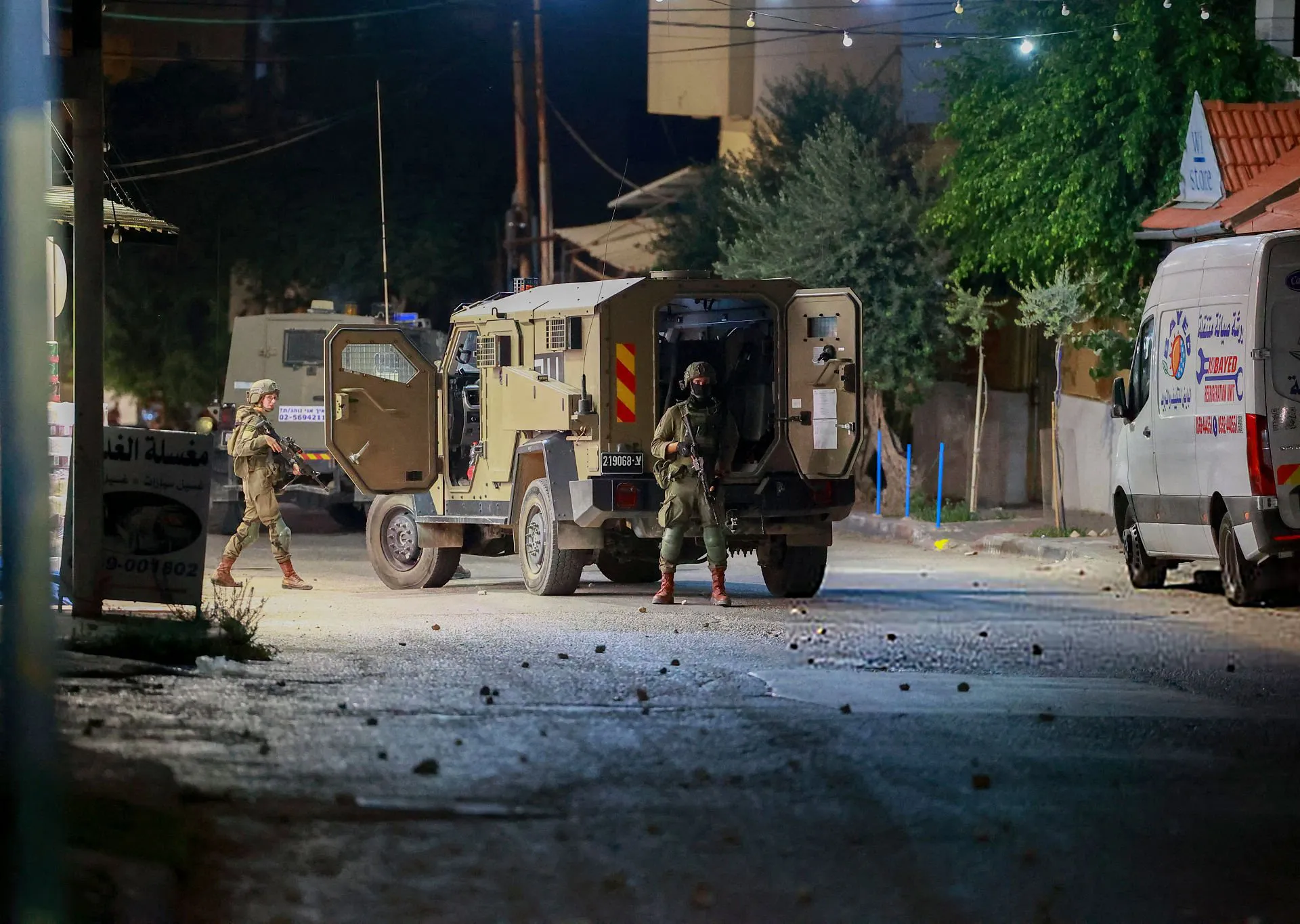
In the Gazan context, the nature of the Council's executive role remains ambiguous. Despite the absence of direct Palestinian representation in the Council's bodies, it will oversee a group of Palestinian technocrats to manage public services. However, this task seems extremely complex given the on-the-ground division between areas under Israeli control and those controlled by Hamas.
Political sensitivity increased with the formation of subcommittees including Turkey and Qatar, which provoked public Israeli protest, a rare departure from traditional harmony with the Trump administration. Countries like France, on the other hand, openly declared their reluctance to join, considering that the Council's charter raises fundamental questions about respect for the existing international order.
The "Peace Council" cannot be separated from the broader context of Trump's vision for international relations, based on marginalizing multilateralism and replacing it with flexible arrangements subject to the logic of power and money. The requirement of high membership fees and granting the president almost absolute powers suggest a transformation of peace from a legal and moral value into a political project manageable according to the balance of influence. Here, the Council does not appear to be a reformist alternative to the United Nations, but rather a reformulation of hegemony with new tools.
In the Palestinian case, the Council raises additional concerns, as it reproduces the logic of international guardianship without genuine political representation for the people of the land. Technocrats, no matter how efficient, cannot compensate for the absence of national legitimacy. Moreover, linking the future of Gaza to conditional reforms, managed by a body headed by an American president, entrenches a structural imbalance in the peace process, and transforms reconstruction into a tool of pressure, not a human and political right.
شارك برأيك
The more it is discussed, the more ambiguous it becomes: What do we actually know about the "Peace Council" established by Trump for Gaza?