






Israeli Prime Minister Benjamin Netanyahu ignited a dangerous diplomatic crisis with Egypt by publicly suggesting the possibility of allowing Palestinians in Gaza to cross into Egyptian territory through the Rafah crossing.
Haaretz reported that Netanyahu's cunning knows no bounds, highlighting his audacity in attacking Egypt in the name of defending the "free will" of Gaza's residents to leave a war zone.
It explained that he is promoting the displacement of two million people both locally and internationally while lecturing those who refuse to accept refugees about human rights, despite being the one who created this problem.
The newspaper condemned Netanyahu's statements, describing them as a sly attempt to reframe the transfer of populations—which is widely considered a war crime—as a humanitarian gesture.
Netanyahu claimed he was defending the "free will" of Gaza's residents, accusing Egypt of depriving Palestinians of their basic right to flee from a war zone.
However, Cairo interpreted his remarks as an attempt to justify the consequences of Israel's actions in Gaza and to place the burden of the resulting humanitarian crisis on Egypt.
Yoav Limor, a columnist for Israel Hayom, explained how these statements affected Egypt's most sensitive pressure points: the fear of a mass influx of refugees and concerns about economic distress.
He noted that Egypt hastened to issue an official condemnation, accusing Netanyahu of trying to prolong the conflict and evade responsibility for the humanitarian disaster in Gaza.
However, he clarified that Netanyahu's office responded with further provocation, insisting on the principle of "freedom of movement" and implying that Egypt is imprisoning Palestinians against their will.
He added that he also hinted at the possibility of delaying Israeli natural gas exports to Egypt, which increases tension in the vital bilateral relations established under the 1979 peace treaty.
Limor warned that this diplomatic deterioration coincides with Israel intensifying its military campaign in Gaza.
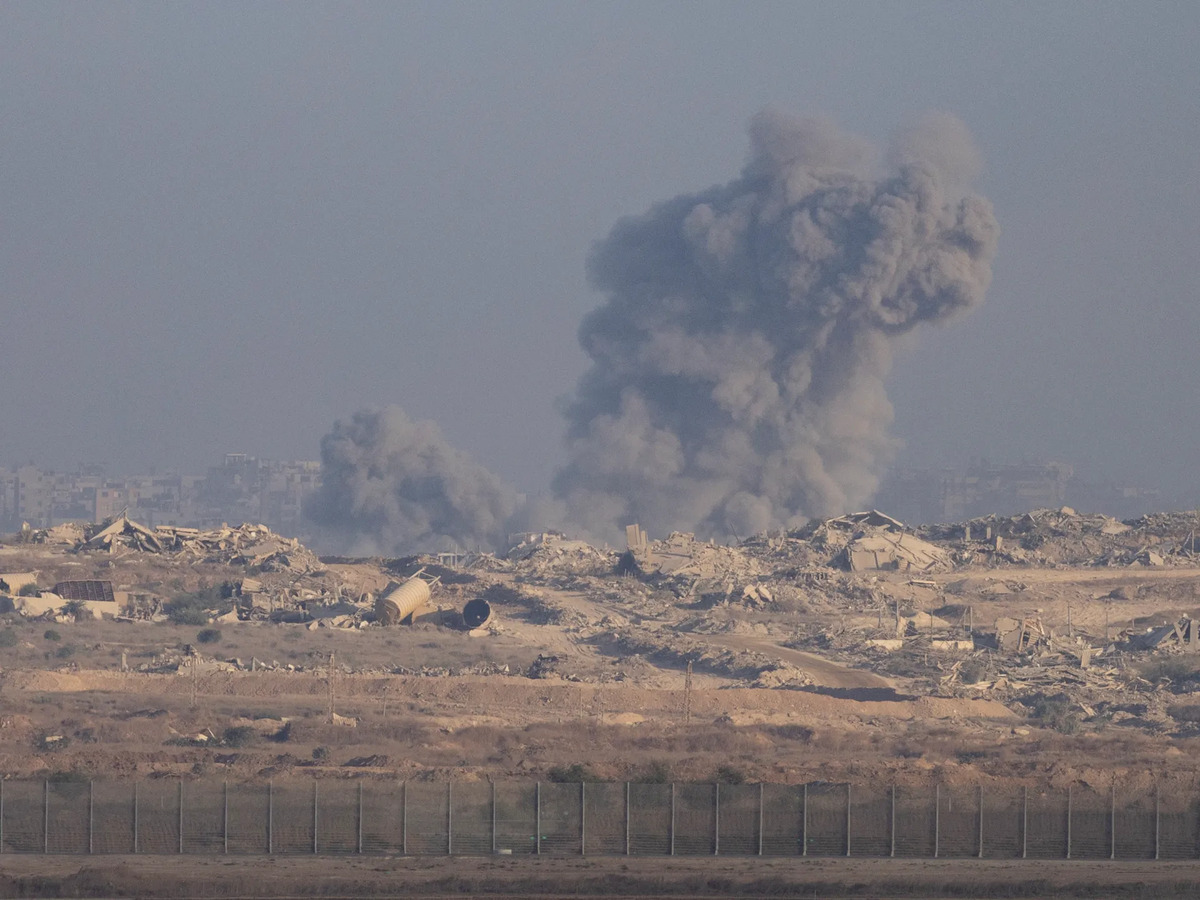
He stated that the Israeli army has recently escalated its airstrikes on high-rise buildings in Gaza as part of the second phase of Operation "Gideon's Chariots," noting that this comes within a broader context of pressuring civilian populations to move south, paving the way for an expansion of ground operations.
According to Limor, many Palestinians are hesitant to move again after multiple waves of displacement during the war, complicating the Israeli military strategy and increasing the likelihood of international backlash as the humanitarian situation deteriorates.
Both Haaretz and Israel Hayom expressed growing concern over Netanyahu's escalating isolation.
Haaretz criticized the Prime Minister for jeopardizing Israel's most important regional peace agreement and undermining decades of strategic diplomacy.
As for Limor, he highlighted the disconnect between Netanyahu and key stakeholders, including security officials, families of prisoners, and frontline soldiers.
The writer considered the Prime Minister's reliance on marginal interviews and provocative statements—such as his recent acknowledgment of the Armenian genocide, which worsened relations with Turkey—indicates his focus on short-term political gains at the expense of long-term national interests.
Both articles warned that Israel risks entering a period of escalating diplomatic isolation, regional instability, and worsening internal pressures unless it abandons its current course and re-engages in diplomatic solutions based on international law and strategic cooperation.
Netanyahu attempts to portray the transfer of populations as a humanitarian step despite it being considered a war crime.
שתף את דעתך
Israeli newspapers: Netanyahu ignites a dangerous crisis with Egypt