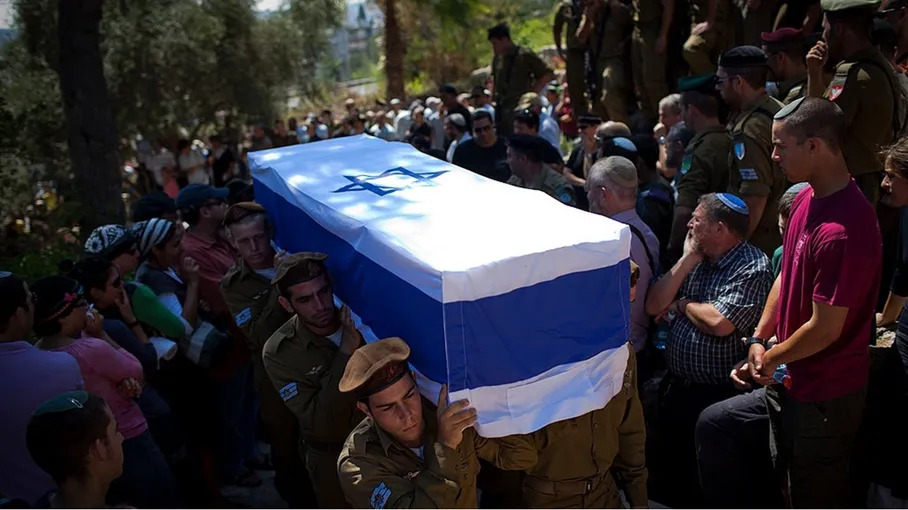







Israelis continue to criticize the government and its leader Benjamin Netanyahu for the delay in responding to the prisoner exchange deal, as buying more time not only endangers the prisoners but also puts hundreds of soldiers in Gaza at risk, where dozens have been killed and hundreds injured. Incidents like the bombing of Nasser Hospital have undermined the remaining justifications for the occupation regarding the war in the sector, while soldiers are trying to defend themselves instead of attacking resistance fighters.
Yoav Zitun, the military correspondent for Yedioth Ahronoth, mentioned that "as the risk of death increases for the soldiers and the situation of the hostages in Hamas tunnels deteriorates week by week, the soldiers are waiting for the government ministers and their leader, who have been stalling in responding to the mediators for two weeks, after Hamas agreed to a gradual plan for the release of ten hostages and to enter negotiations for two months to reach a comprehensive deal, even though this negotiating paper puts the soldiers at risk daily in the heart of the sector."
He added in an article translated by "Arabi21" that "the army was supposed to withdraw, at least partially, from the Morag and Magen Oz axes as part of the exchange process, which was established to complicate Hamas's ability to move its fighters and weapons between Khan Younis and Rafah, but the strategic goal of establishing them is to exert military pressure on Hamas to conclude a deal, meaning that the return of their territories would be one of the hostage exchange operations, which is exactly what the occupation did in January 2025, when it withdrew from the road that cuts through Netzarim in the northern sector."
Soldiers in Gaza face the risk of death while the government awaits a response to the prisoner exchange deal.
שתף את דעתך
Attack on Netanyahu's government due to the war in Gaza.. Soldiers face death traps