






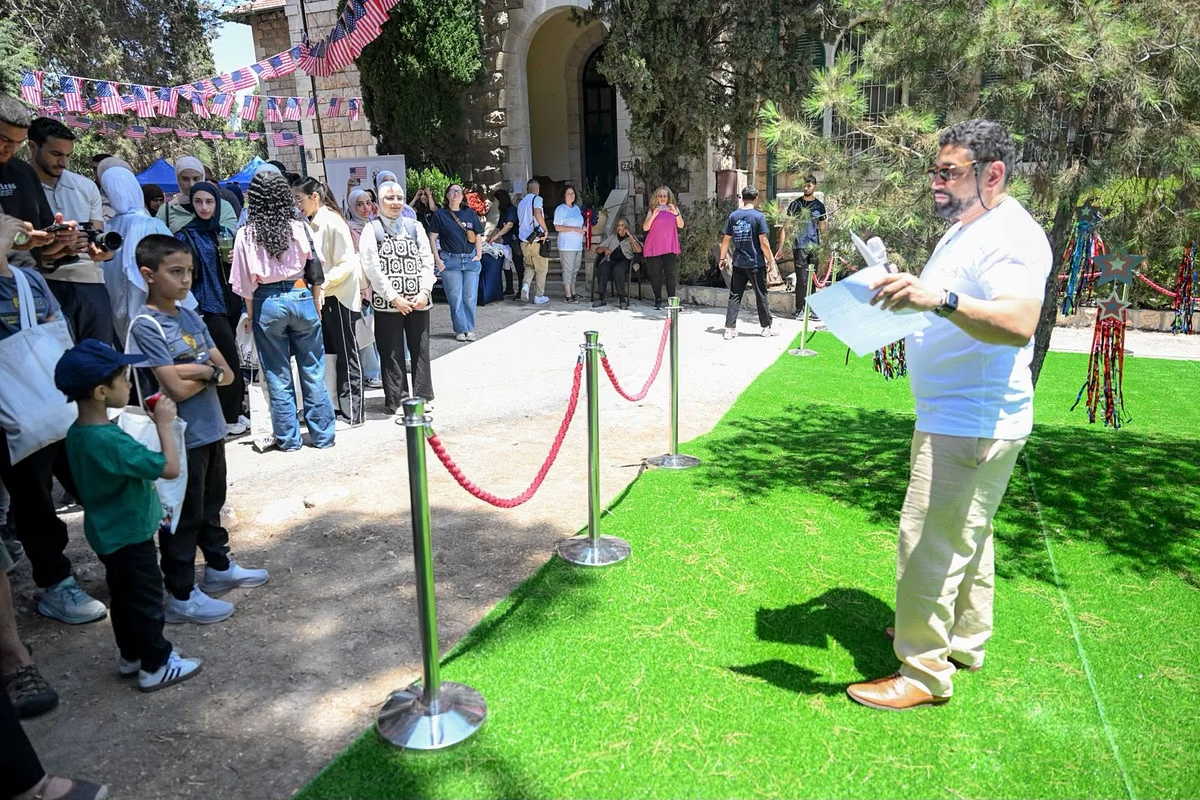
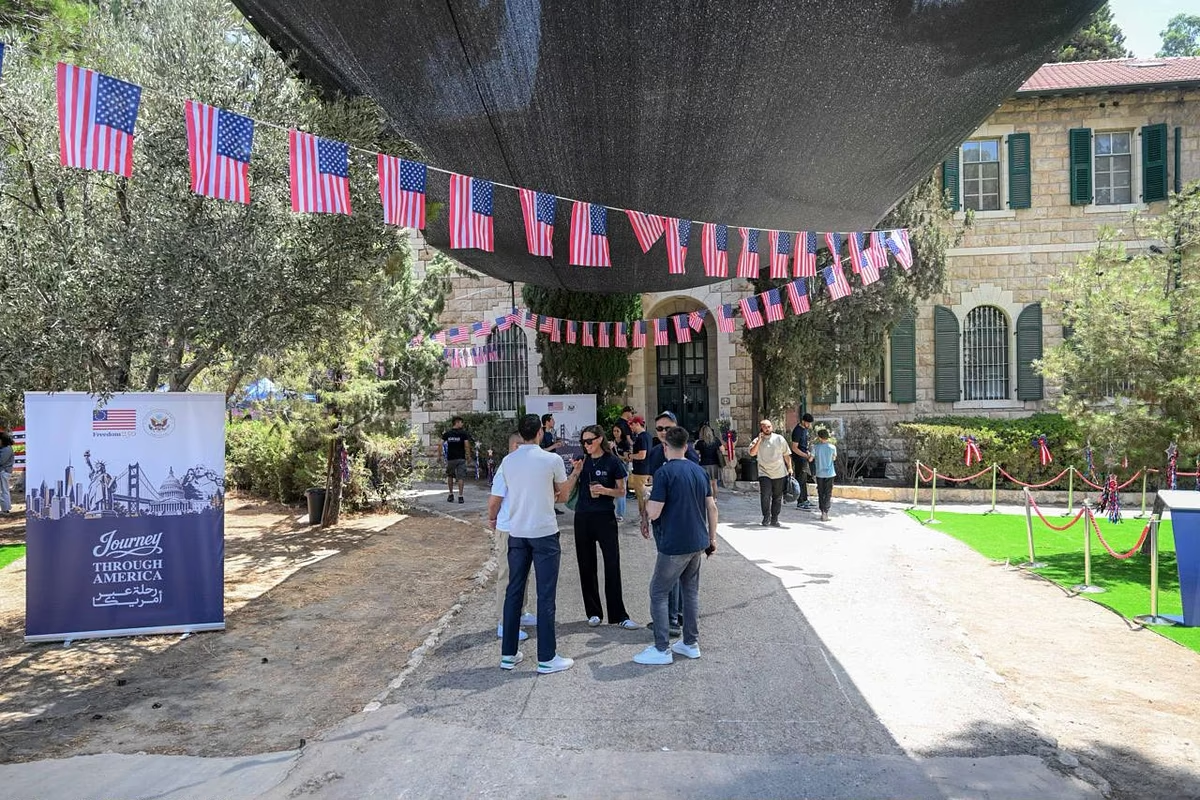
On July 25, the U.S. Embassy Jerusalem hosted the Freedom250 Exhibition at the Albright Institute in Jerusalem as part of the Freedom250 initiative marking the 250th anniversary of the signing of the U.S. Declaration of Independence. Deputy Chief of Mission David Brownstein welcomed visitors and encouraged them to explore America's history of innovation, culture, education, and entrepreneurship, highlighting how the values of freedom, creativity, and opportunity have shaped the United States over the past 250 years. Through interactive exhibits featuring scientific achievements, technological breakthroughs, cultural contributions, and educational exchange programs, the exhibition invited visitors to engage in dialogue, embrace curiosity, and strengthen cross-cultural understanding.
1. Why was it important to hold the Freedom250 exhibition?
This year, the United States marks an extraordinary milestone: 250 years since the signing of the Declaration of Independence.
Freedom250 celebrates America's founding, but it is also a celebration of the people, the ideas, and the spirit that have shaped the United States over the past 250 years.
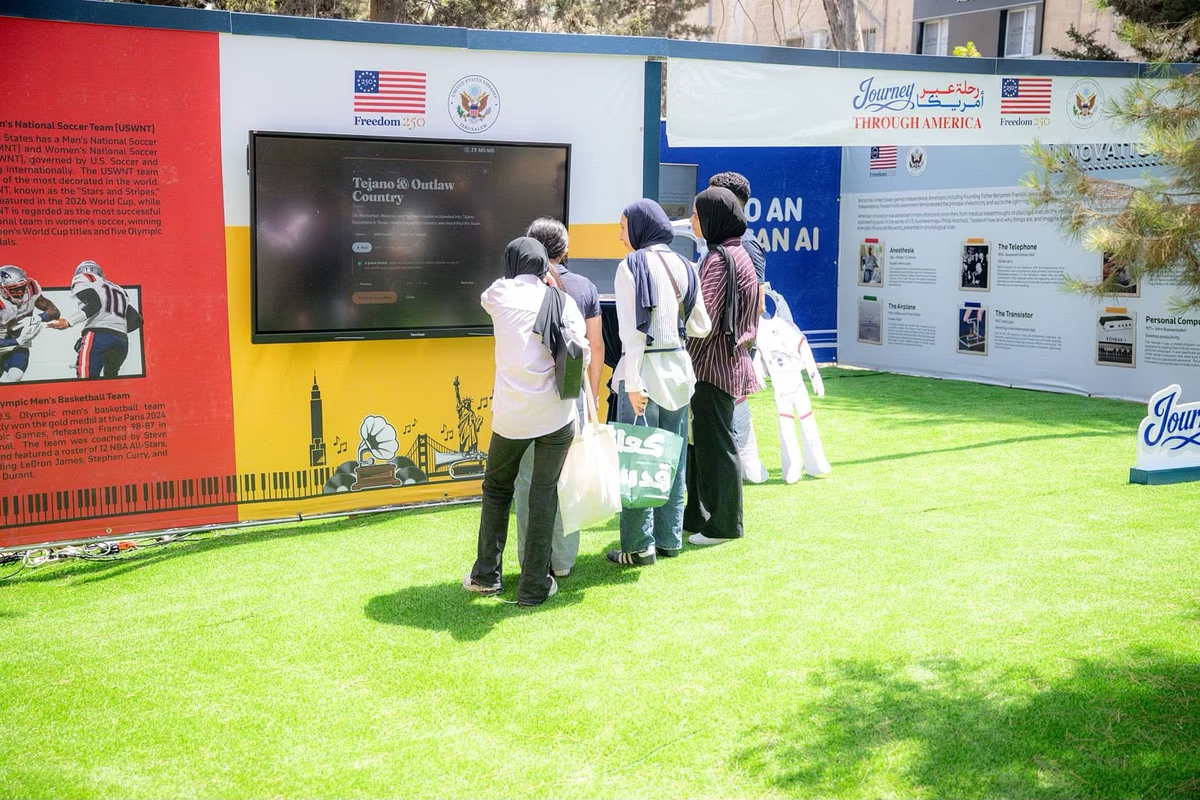
Through this exhibition, we share America's story through innovation, culture, education, and the people who have shaped our country. We hope the exhibition inspires dialogue, curiosity, and learning among visitors of all ages.
2. What are some of the highlights of the exhibition?
Visitors discover stories of innovation, entrepreneurship, scientific discovery, sports, music, and culture. They may seem very different, but they all share one common thread. They show what people can accomplish when they have the freedom to dream, create, and pursue new ideas.
America's story is still being written, and it has always been shaped by people with the courage to imagine, create, and build a better future.
3. Innovation is one of the exhibition's central themes. Why is it so important to highlight?
Innovation has driven the American story from the very beginning. It took the Wright brothers from a bicycle shop in Ohio to the first powered flight. It carried Apollo 11 to the Moon. And it inspired innovators from Thomas Edison to Steve Jobs, whose ideas continue to shape how we live and work.
That same spirit continues through companies such as Apple, Microsoft, and Google, whose technologies have transformed industries and connected billions of people around the world.
For many of our younger visitors, American innovation is not something they only read about in a history book. It is in the apps on their phones, the software that powers their devices, the games they play with friends around the world, and the technologies that help them learn, create, and stay connected.
American innovation continues to shape fields ranging from artificial intelligence and medical research to space exploration, entertainment, and sports. Much of the technology we use every day, from online search to AI-powered tools, has its roots in ideas developed by American researchers, entrepreneurs, and companies.
4. The exhibition also celebrates American culture. What message do you hope visitors take away?
America's story is not only about science and technology. It is also about culture.
American music, film, literature, the arts, sports, and food have reached audiences across the globe and continue to entertain, inspire, challenge, and connect people across cultures and generations.
At the same time, cultural exchange goes both ways. Just as American culture has reached audiences around the world, cultures from this region have also found a place in the United States, enriching American communities through food, music, art, and traditions.
Cultural engagement helps build understanding between people. Through events like this, we create opportunities to connect, exchange ideas, and strengthen relationships beyond politics.
5. Why are education and exchange programs an important part of the exhibition?
America's greatest strength has always been its people, their talent, creativity, and willingness to imagine what comes next. That same belief in people is at the heart of the relationship between Americans and people around the world.
For decades, Palestinians have studied in the United States or participated in U.S.-funded academic, professional, cultural, leadership, and English language exchange programs.
One example is the English Access Microscholarship Program, which has reached thousands of high school students in Jerusalem, the West Bank, and Gaza. Access has helped young people strengthen their English language skills, build confidence, and prepare for future educational and exchange opportunities.
Many Access students have gone on to participate in the Kennedy-Lugar Youth Exchange and Study (YES) Program, spending an academic year in the United States with American host families while attending U.S. high schools. They return home with new skills, lifelong friendships, and a broader understanding of both American society and their own communities.
These programs create lasting friendships, broaden perspectives, and give participants new ideas and experiences they carry home with them. Many alumni have become educators, entrepreneurs, journalists, researchers, artists, and community leaders, reminding us that investing in people is one of the best investments any country can make.
6. What do you hope visitors take away from the exhibition?
This exhibition is not only about looking back. It is also about looking ahead.
We hope it sparks curiosity and inspires future scientists, entrepreneurs, artists, athletes, educators, and leaders. Every breakthrough begins with someone willing to ask a question and imagine that things can be done differently.
We hope visitors leave inspired, not only by America's past 250 years, but by what people can accomplish when they are free to learn, create, and dream.


Share your opinion
US Embassy's Freedom250 Roadshow is in Jerusalem celebrating 250 years of American independence