






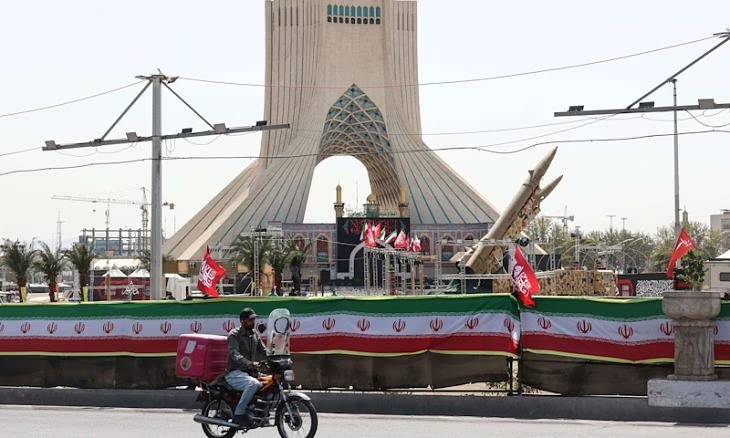
In recent hours, strong field indicators have emerged of an expanding confrontation linked to Iran, now encompassing vital waterways far from the Arabian Gulf. The Houthi group in Yemen launched attacks targeting oil facilities belonging to Saudi Aramco on the Red Sea coast, a move that reflects the transfer of tension to a second major global shipping lane.
In a notable development to the north, the Iranian Ministry of Foreign Affairs directly accused Ukraine of targeting one of its commercial vessels in the waters of the Caspian Sea. Tehran clarified that the attack resulted in an explosion that killed one sailor and injured another, opening a new and unexpected front in the escalating regional and international conflict.
For its part, the US military affirmed that the naval blockade imposed on Iran remains fully in effect, despite a observed halt in the escalating series of airstrikes that lasted for about two weeks. Military sources did not provide a precise explanation for this halt, but US administration officials indicated Washington's desire to give diplomacy a chance.
Press reports quoted informed sources stating that President Donald Trump temporarily decided to back down from plans to escalate direct attacks on Iranian territory. This approach comes amid concerns expressed by White House advisors about the depletion of US defense stockpiles and the potential negative impacts on the global economy and energy supplies.
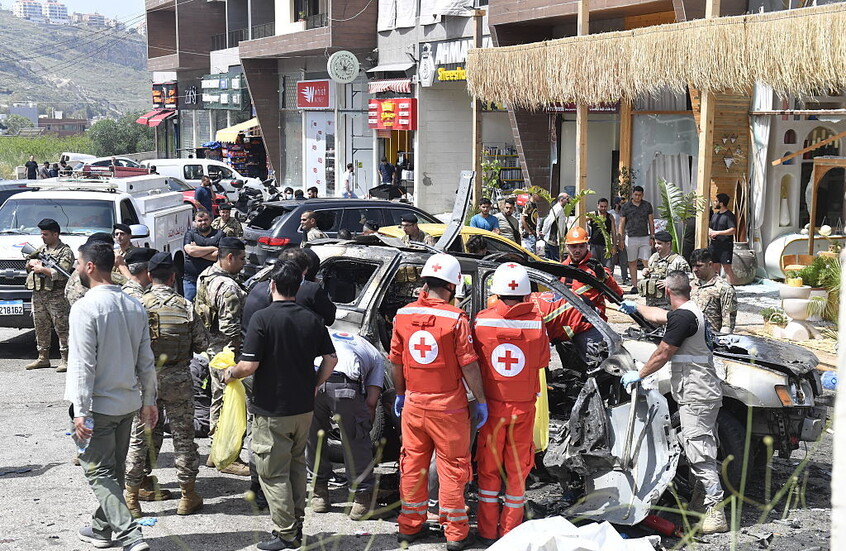
On the ground, the military spokesman for the Houthi group confirmed targeting vital Aramco sites in the Saudi regions of Jazan and Yanbu. Video clips circulated on social media platforms showed plumes of smoke rising from the Jazan refinery, while commercial sources indicated damage to fuel storage sites.
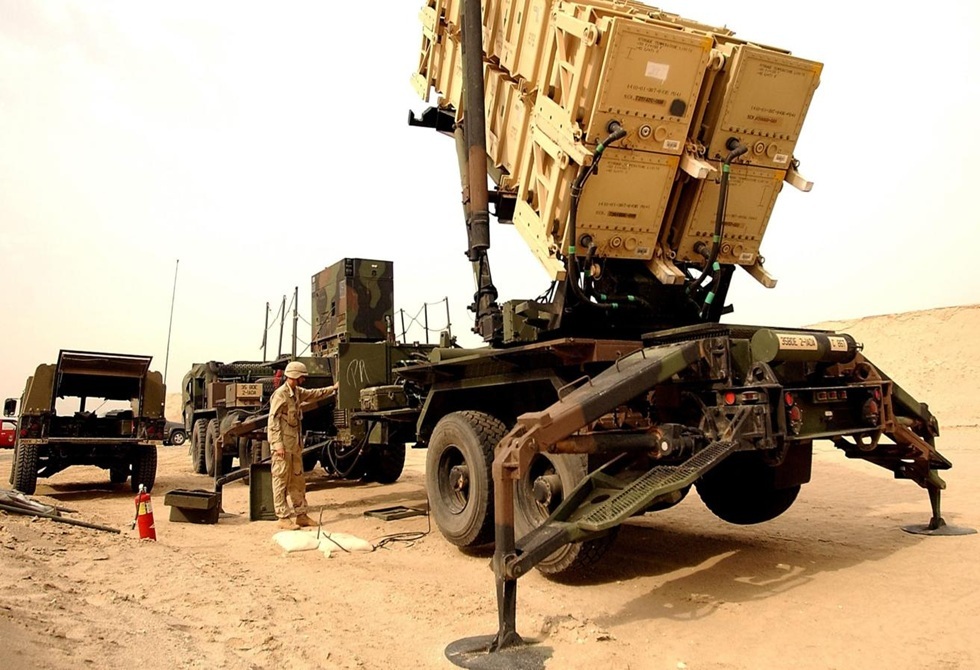
In the city of Yanbu, security sources reported that Patriot missile batteries, operated by Greek forces stationed in the Kingdom, successfully intercepted two ballistic missiles. These missiles were targeting oil facilities in the port, which is considered the most important alternative route for exporting Saudi oil away from the Strait of Hormuz.
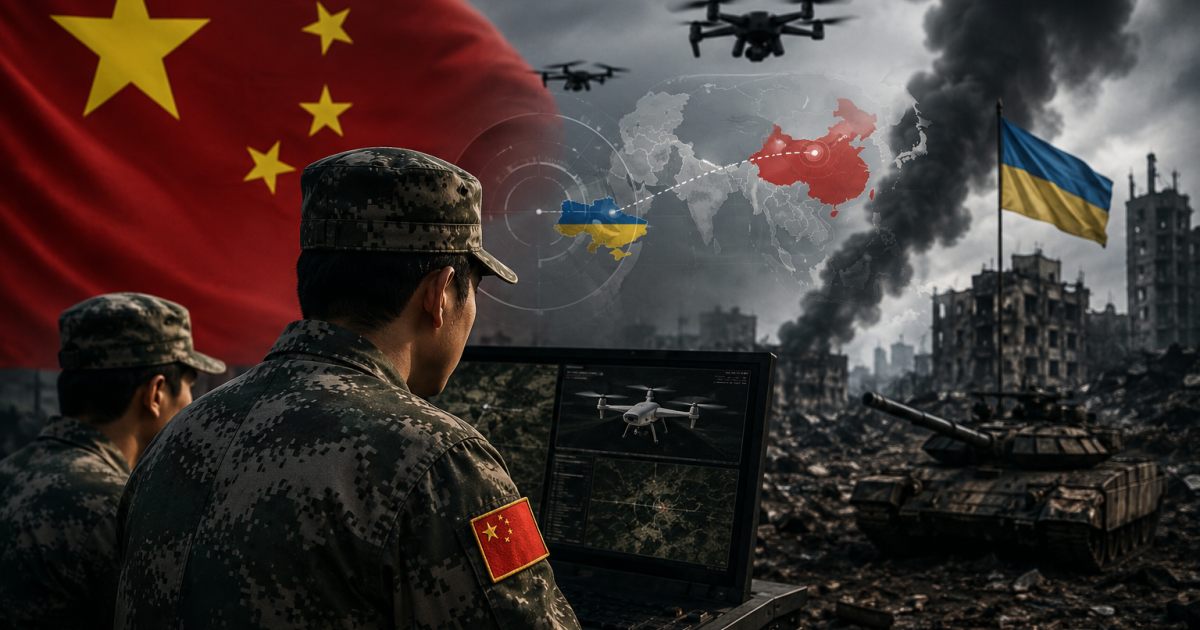
On the Ukrainian front, President Volodymyr Zelensky praised what he described as the positive results of long-range strikes in the Caspian Sea, referring to the targeting of ships carrying military cargo. Despite not specifying the nationality of the targets, Tehran quickly summoned the Ukrainian Chargé d'Affaires to protest what it described as a hostile and criminal act.
Zelensky accused Russia of providing Iran with satellite intelligence data observed in the Middle East, to enable Tehran to launch precise strikes. These statements reflect the intertwining of international issues, as the war in Ukraine has become closely linked to the conflicts in the Arab region.
Inside Yemen, officials reported that the air force of the internationally recognized government launched intensive raids on Houthi weapons depots in Marib and Al-Jawf. These military movements come amid mutual troop buildups by both sides along the front lines, threatening a complete collapse of the fragile truce in place since 2022.
The Saudi-led coalition had announced carrying out airstrikes targeting Houthi military sites in the coastal city of Hodeidah. Coalition sources confirmed that the strikes focused on military targets to ensure that operations in the vital Hodeidah port were not affected, in response to continuous Houthi threats to international navigation.
Observers believe that the Houthis' effective joining of the major regional confrontation came after their allies in Tehran faced increasing military pressure from the United States. The group's leader, Abdul-Malik al-Houthi, announced that all oil facilities in the region could become legitimate targets as long as the US naval blockade continues.
In a related context, the US Central Command announced the interception of a vessel in the Gulf of Oman that attempted to breach the naval blockade imposed on Iranian ports. Sources clarified that the interdiction operation occurred after repeated warnings were issued to the ship's crew, who refused to comply with orders, necessitating direct military intervention.
A state of concern prevails in Gulf capitals about the possibility of the Red Sea turning into an open war zone that could lead to the closure of global energy corridors. International powers are intensifying their naval presence in the region to secure oil tankers, amid continued threats of suicide attacks or the use of ballistic missiles and drones.
Finally, diplomacy remains an option on the American table, but it is conditional on Tehran's seriousness in negotiations, according to White House statements. However, the successive field developments in Yemen and the Caspian Sea indicate that the conflict could exceed the limits of political control at any moment.
Trump has always been clear that diplomacy is his preferred option, but he has shown Iran what will happen if it does not come to the negotiating table seriously.


Share your opinion
Escalation of Confrontation: Houthi Attacks on Saudi Oil Facilities and Iranian Accusations Against Ukraine in the Caspian Sea