






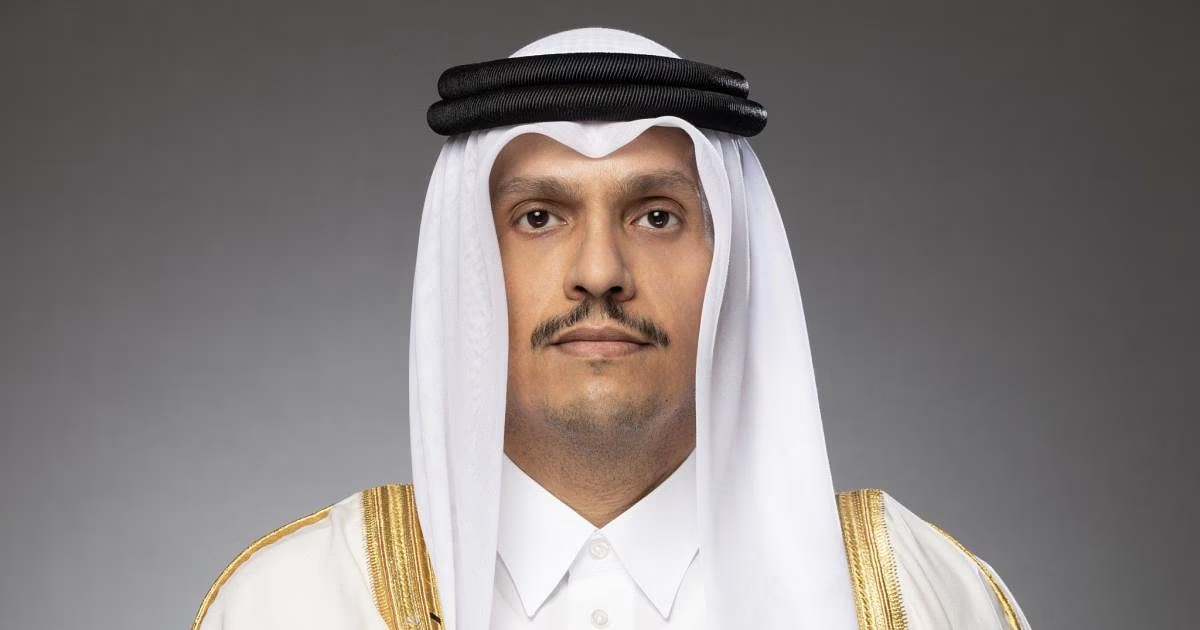
Sheikh Mohammed bin Abdulrahman Al Thani, the Qatari Foreign Minister, conducted a series of intensive diplomatic contacts on Sunday, including with his counterparts in the Kingdom of Saudi Arabia and the Sultanate of Oman. These discussions focused on coordinating joint efforts to reduce the escalating tension in the region and working to strengthen the pillars of regional security and stability under the current circumstances.
Official sources clarified that the two separate calls with Prince Faisal bin Farhan and Badr Al Busaidi focused on reviewing the latest political and security developments, in addition to enhancing bilateral cooperation. This Qatari move comes within the framework of broader regional endeavors aimed at containing the escalating confrontation between the United States and Iran, and preventing the region from sliding into an all-out conflict.
During the discussions, the Qatari Foreign Minister emphasized the utmost importance of adhering to diplomacy and dialogue as the sole means of resolving existing disputes. He called for the necessity of returning to implementing the provisions of the memorandum of understanding signed between Washington and Tehran, stressing that adherence to international agreements is the fundamental guarantee to avoid uncalculated military escalation.
Regarding the security of waterways, Sheikh Mohammed bin Abdulrahman affirmed the necessity of ensuring freedom of navigation in the Strait of Hormuz as a vital artery for global trade and energy supplies. He indicated that maintaining the security of this strategic passage is a top priority that requires concerted international and regional efforts, away from policies of threat and pressure.
During his communication with the Omani Foreign Minister, the Qatari Minister reiterated his country's affirmation of full respect for the sovereignty of the Sultanate of Oman over its territorial waters, praising Oman's balanced role in bridging viewpoints. He expressed Doha's support for all initiatives aimed at defusing the crisis and reaching a comprehensive settlement that ensures sustainable peace for all peoples of the region.
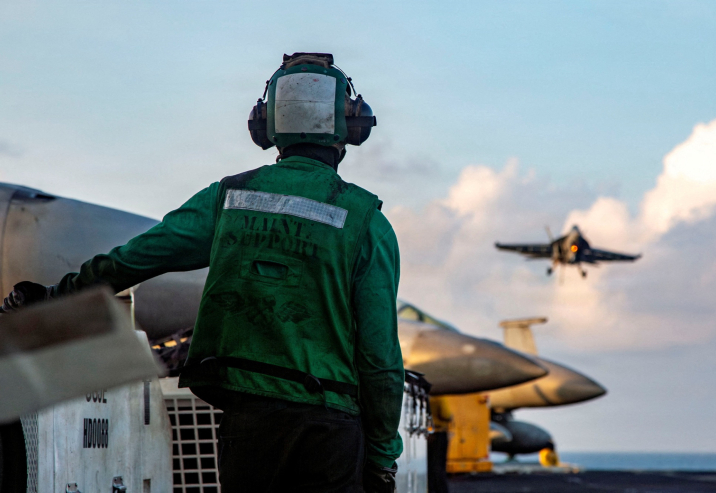
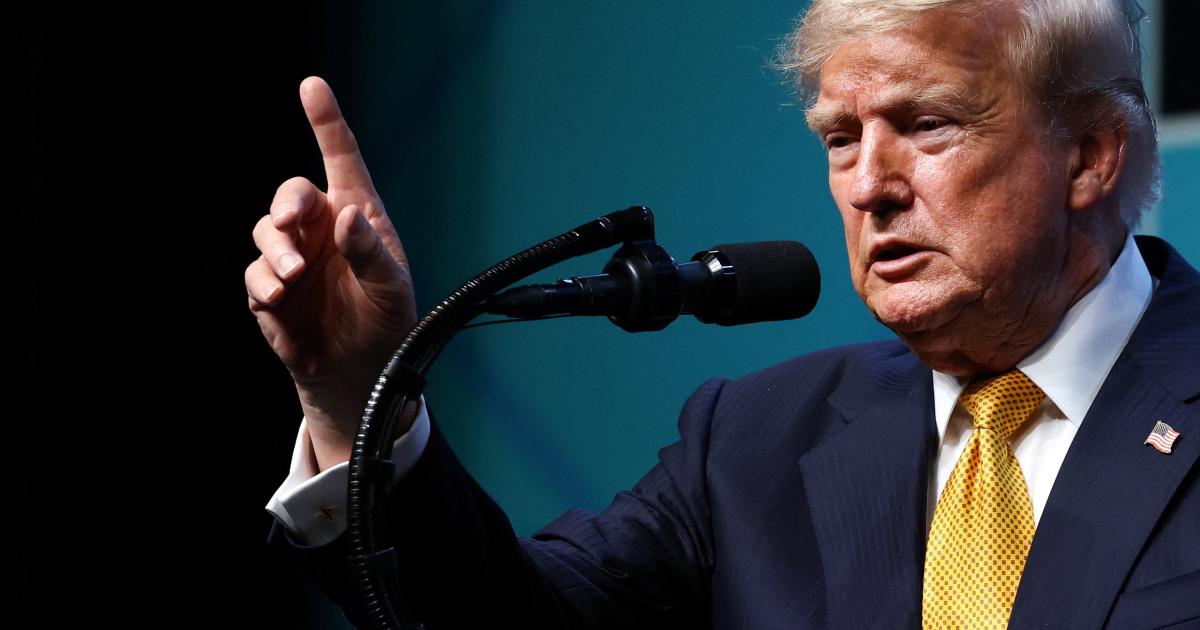
These diplomatic moves come at a time when the confrontation between Washington and Tehran has entered its second week of direct field escalation. US President Donald Trump announced on July 8th the termination of the ceasefire stipulated in a previous memorandum of understanding, which led to the exacerbation of the security crisis in the Gulf waters.
This security deterioration is linked to a series of incidents targeting commercial vessels in the Strait of Hormuz, where Washington accuses Tehran of being behind these attacks to impose a new reality in the shipping lane. In contrast, Iran insists on the necessity of finding a regional mechanism to regulate transit, which the United States rejects, demanding unconditional freedom of navigation.
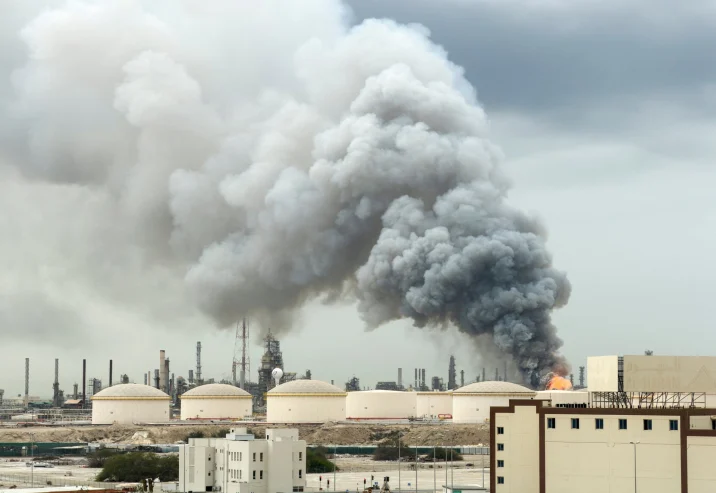
This tension has directly affected civil aviation and global energy supplies, as the past days have witnessed intermittent closures of airspace in the region. International reports have warned of the risks of targeting vital facilities and economic interests, which has prompted Gulf capitals to intensify their diplomatic efforts to avoid catastrophic repercussions on the regional economy and security.
All parties must adhere to dialogue and diplomacy and implement previous agreements to ensure regional stability and freedom of navigation.

Share your opinion
Intensive Qatari moves with Saudi Arabia and Oman to de-escalate regional tension and secure the Strait of Hormuz