






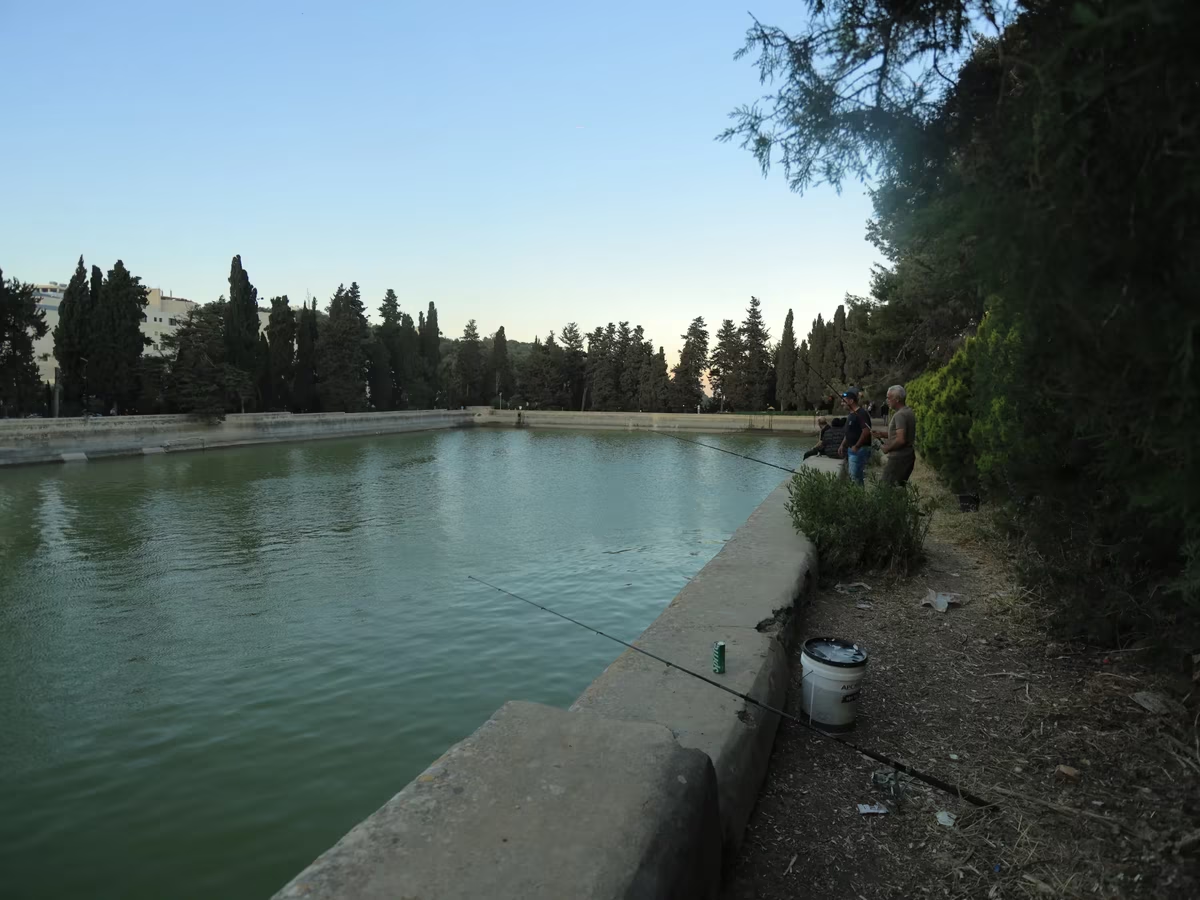
The historical area of Solomon's Pools, located south of Bethlehem, is witnessing a widespread popular movement, with hundreds of Palestinian youths and families flocking to the archaeological site. The purpose of the visit is no longer merely summer recreation, but has transformed into an act of popular resistance aimed at asserting the Palestinian right to the place and confronting repeated attempts by settlers to control it.
On the edges of the three massive pools, young people stand in their swimsuits, ready to jump into the waters that once were the main source of drinking water for the city of Jerusalem. Visitors emphasize that their continuous presence is the strongest message in the face of official Israeli threats that have recently escalated to annex this important historical and archaeological landmark to the occupation's sovereignty.
The roots of the current tension date back to last May, when Israeli Finance Minister Bezalel Smotrich stormed the site and made public statements about the necessity of imposing Israeli control over it. This move sparked widespread condemnation from the Palestinian Ministry of Endowments and Religious Affairs, which affirmed that the pools are a purely Islamic endowment, legally and historically registered.
For the residents of the surrounding area, the pools represent an integral part of their collective memory and their indivisible Arab and Islamic heritage. Elders in the village of Artas recall how these pools were a destination for Palestinians from all governorates, including families from the Gaza Strip who were keen to visit them before heading to pray at the blessed Al-Aqsa Mosque.
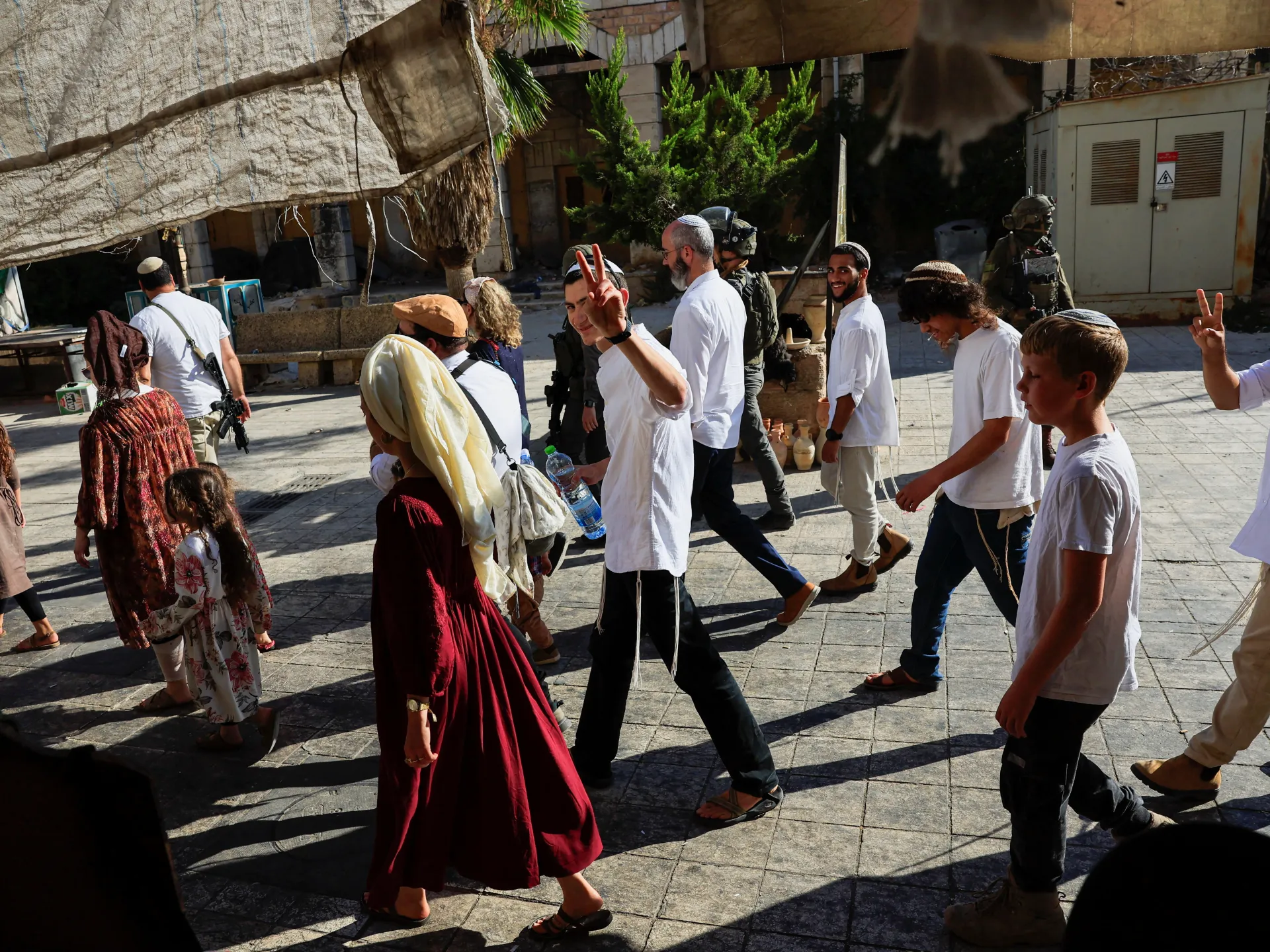
Young people frequenting the site indicate that their increased presence recently came as a natural response to the growing incursions by settlers into the area under the protection of occupation forces. They believe that preserving the Arab character of the place requires a continuous human presence to prevent settler groups from monopolizing the site and transforming it into Talmudic shrines.
Historically, the water system at Solomon's Pools represents an engineering marvel whose features began in the Roman era before Christ and continued to be developed in successive Islamic eras. Interest in it peaked during the reign of the Mamluk Sultan Al-Zahir Khushqadam in 1460 AD, when the third pool was built to enhance the capacity of the water system.
The unique water system extends from Wadi Artas to the heart of Jerusalem, covering a distance of approximately 44 kilometers of winding channels. This geographical and historical link between Bethlehem and Jerusalem makes control over the pools a strategic goal for the occupation, which seeks to sever the geographical and historical ties between Palestinian cities.
Samer Shaheen, Deputy Head of the Artas Village Council, warned that Solomon's Pools have become in the 'eye of the storm' as a result of a systematic Israeli decision to control all archaeological sites and water sources in the West Bank. He clarified that the village council and official bodies possess all documents proving the Waqf's ownership of the site from the Ottoman era to the present day.
The pools consist of three massive structures of varying heights, with a total capacity of more than a quarter of a million cubic meters of water, making them a strategic water reservoir. The depths of these pools range between 8 and 23 meters, and they are surrounded by stunning nature, making them the only remaining recreational area for the residents of Bethlehem Governorate amidst settlement expansion.
The popular movement is not limited to swimming; it also includes organizing cultural and social events and amateur fishing activities within the pools to strengthen the connection to the place. Participants affirm that adherence to these landmarks is part of the battle for survival and the preservation of Palestinian national identity, which is subjected to continuous attempts of obliteration and falsification by the occupation institutions.
Amidst the continuous restrictions on natural tourist areas in the West Bank, Solomon's Pools stand out as a model of spontaneous popular steadfastness that refuses to surrender to the status quo. The dense Palestinian presence remains the only guarantee to protect this historical heritage from Judaization plans that target both stone and people in the occupied territories.
Solomon's Pools are ancient Palestinian history, and we come here to revive the place and prevent settlers from controlling it.


Share your opinion
Solomon's Pools in Bethlehem: A Palestinian Popular Movement to Confront Judaization and Annexation Plans