






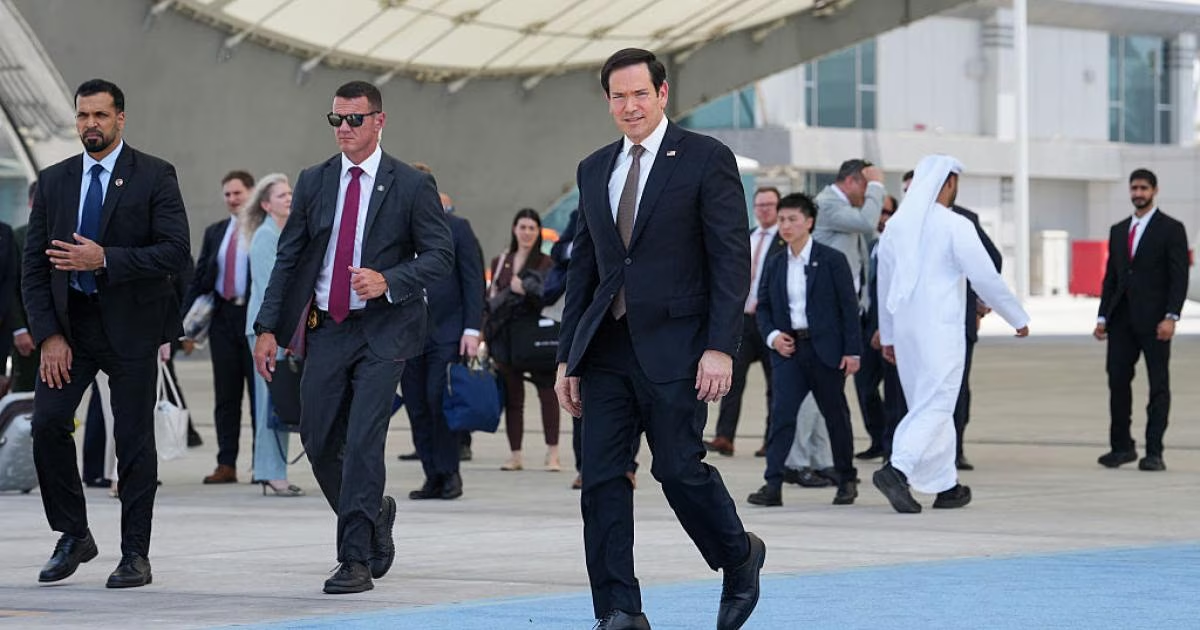
US Secretary of State Marco Rubio's tour of the Gulf region opened the door wide to in-depth discussions concerning the future of regional security. Through these moves, Washington seeks to provide assurances to its traditional allies following recent understandings with Tehran, which raised a series of questions about the nature of the upcoming balances.
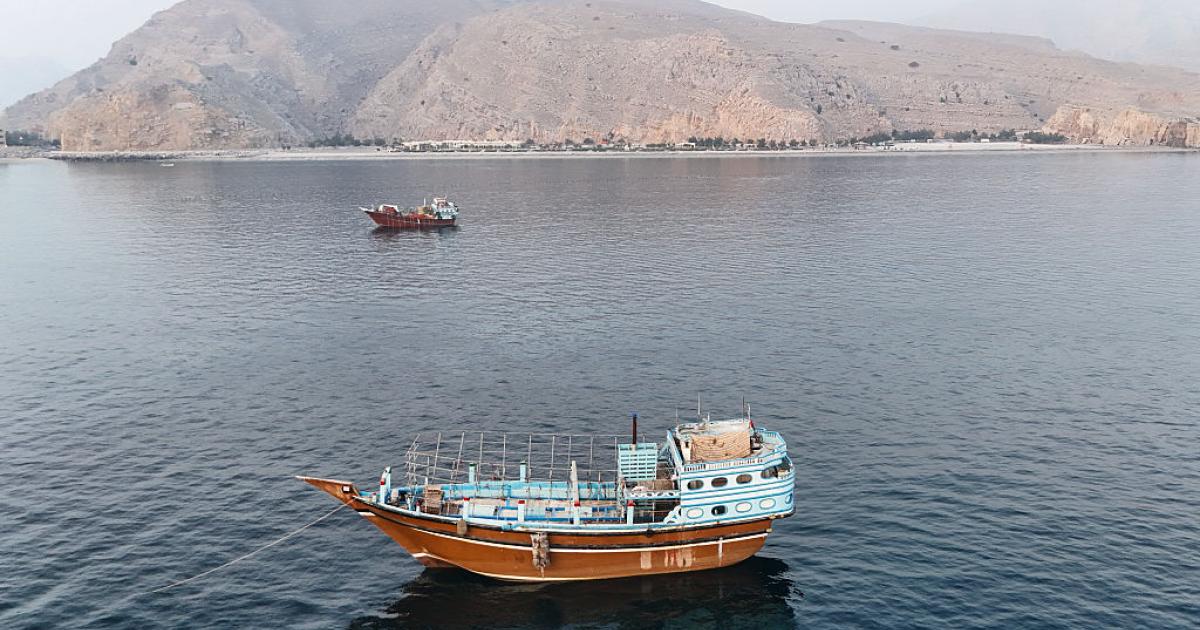
The Strait of Hormuz issue topped the agenda of talks as it is the vital artery for global energy supplies. Rubio delivered a firm message, emphasizing that no party would be allowed to impose transit fees or unilaterally control the waterway. In contrast, Tehran insists that the rules of the game in the Strait have changed, stressing its right to manage the passage in a way that guarantees its national security.
Regarding the nuclear file, a clear gap emerged in the narratives between Washington and Tehran after the round of negotiations in Switzerland. While the American side expressed optimism, speaking of Iranian agreement to unrestricted international inspection, Tehran quickly denied making any commitments beyond previously agreed frameworks, reflecting a continued state of apprehension.
The missile and drone file still constitutes a stumbling block on the path to sustainable stability, despite Washington's retreat from the tone of forced dismantling of these capabilities. The US administration now links regional calm to Tehran's ability to rein in its allies in the region and stop attacks targeting vital interests.
For his part, Iranian President Masoud Pezeshkian settled his country's position on defensive capabilities, affirming that they are a red line not open to negotiation. Observers believe that this Iranian adherence further complicates the scene for Gulf countries that have suffered in recent years from attacks on their facilities using these advanced weapons.
Gulf capitals are monitoring these developments with extreme caution, as there is a feeling that temporary understandings may not provide the required security. The countries of the region demand comprehensive agreements that address the roots of tension, including regional interventions and armament programs that threaten the military balance in the region.
In this context, media sources quoted researchers in international relations as saying that Gulf countries are experiencing a state of 'apprehension' regarding the next phase. The sources explained that previous experiences with attacks on oil facilities and strategic interests make it difficult to trust promises of de-escalation without tangible guarantees.
Analyzes indicate that the crisis of trust is not limited to the relationship with Iran but extends to include traditional allies such as the United States. There is a growing conviction in some capitals that American policy may witness sudden shifts that leave the region in direct confrontation with escalating security challenges.
Regarding regional initiatives, Gulf reservations emerge regarding security projects proposed by Tehran to manage regional security away from international powers. These countries believe that the Iranian vision essentially aims to entrench regional hegemony, which the Gulf side rejects, preferring adherence to international law.
Moreover, the Israeli factor enters as an additional complicating element in the scene, as Israeli policies in Lebanon, Syria, and the Palestinian territories raise increasing concern. Experts believe that adopting the logic of force in managing regional crises contributes to keeping the region in a state of permanent uncertainty.
During his tour, Rubio called on the Iranian leadership to transform into what he described as a 'normal state' as a prerequisite for integration into the global economy. He considered that continuing the revolutionary approach and exporting crises would keep Tehran isolated, despite ongoing diplomatic overtures behind the scenes.
At present, there remains an urgent need for security arrangements that ensure sustainable stability and prevent the recurrence of previous conflict scenarios. With the ongoing tug-of-war between Washington and Tehran, the Gulf region remains in anticipation of what the coming days will bring in terms of actual results on the ground.
No country can impose transit fees in the Strait of Hormuz, and regional stability is linked to stopping attacks by groups allied with Iran.
Share your opinion
Rubio in the Gulf: US Efforts to Allay Allies' Concerns Amid Divergence with Tehran