






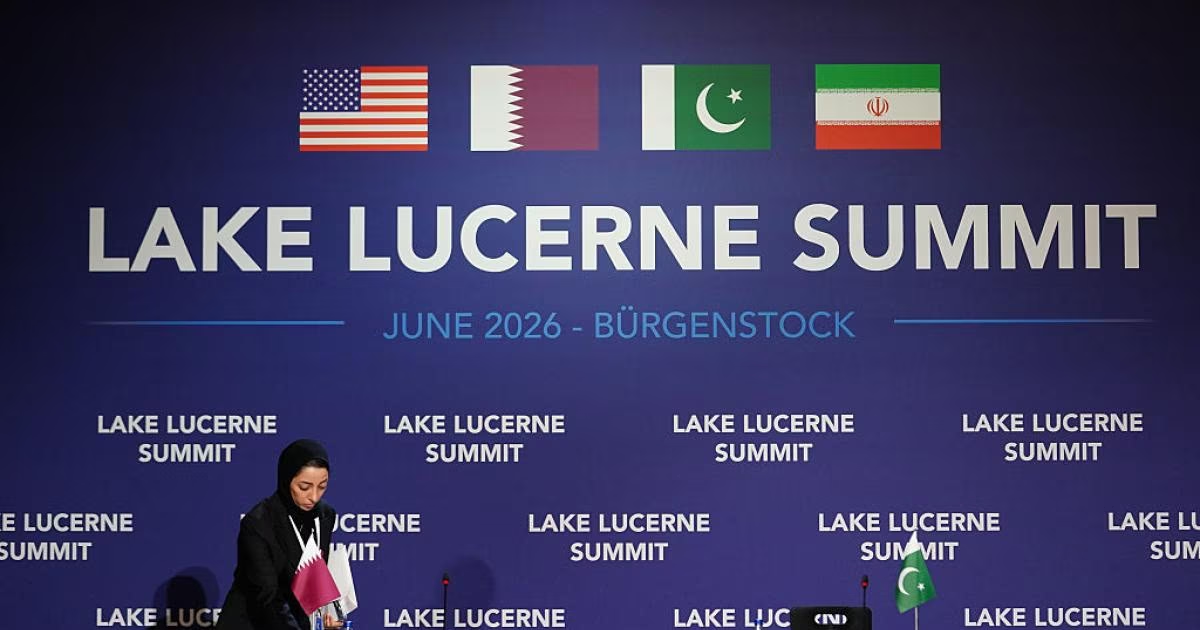
The Swiss city of Lucerne witnessed on Sunday the start of a crucial round of negotiations bringing together representatives from the Islamic Republic of Iran and the United States of America, under the direct sponsorship of Qatar and the Republic of Pakistan. These meetings, part of the 'Lucerne Lake Summit,' aim to establish executive mechanisms for the recently signed memorandum of understanding between Tehran and Washington, with a primary focus on ending the armed conflict in Lebanon and solidifying the pillars of stability in the Middle East.
The Qatari Ministry of Foreign Affairs, as a key mediator, confirmed the commencement of the high-level committee's work with the participation of significant diplomatic and economic delegations. Doha expressed its hope that these meetings would lead to a comprehensive and lasting agreement addressing all outstanding issues included in the memorandum signed last Wednesday, thereby ensuring a reduction in military and political escalation in the region.
For its part, Iranian media sources clarified that the trilateral talks in Switzerland are not limited to political aspects but also include complex files related to frozen Iranian assets abroad and the ongoing war between Israel and Hezbollah. Through these meetings, Tehran seeks to extract practical guarantees that ensure the lifting of restrictions on its vital sectors in exchange for proceeding with other diplomatic paths.
Ismail Baghaei, spokesperson for the Iranian Foreign Ministry, stressed that his country would not move to the negotiation phase for a 'final agreement' unless Washington commits to implementing the provisions related to halting the war on all fronts, especially the Lebanese front. Baghaei indicated that the implementation of the American commitments contained in the memorandum is the essential condition for opening any future expanded discussions.
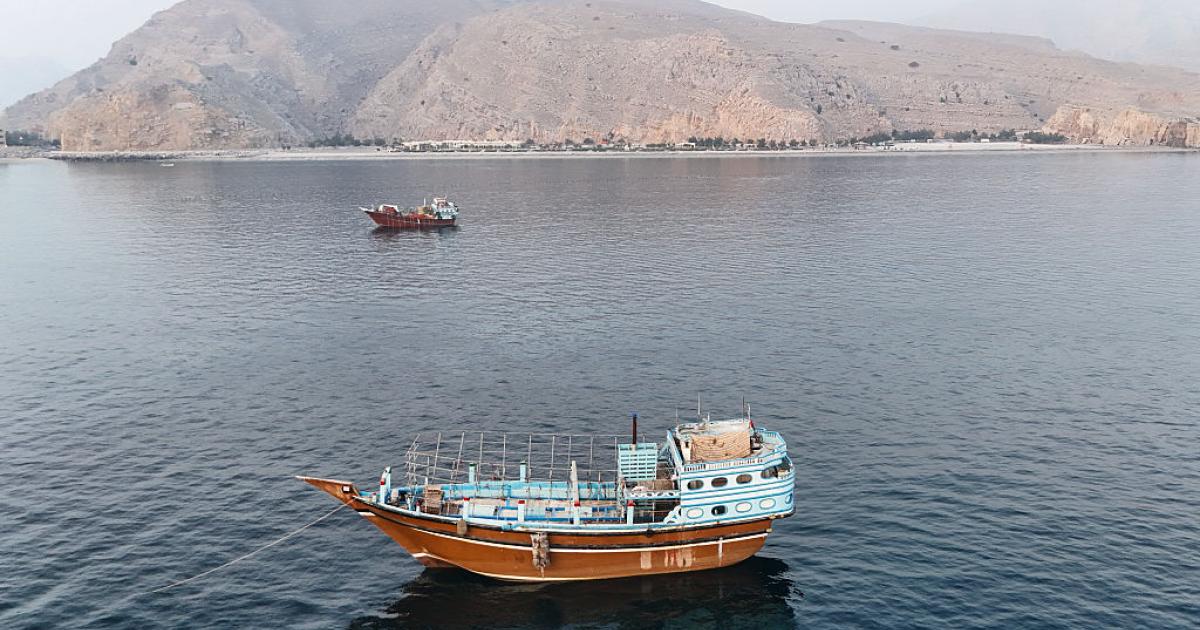
In a notable escalation, sources close to the Iranian negotiating team reported that Tehran closely links the stability of navigation in the Strait of Hormuz with respect for the ceasefire in Lebanon. The sources confirmed that the full restoration of fluidity in the strait is also contingent on clear American exemptions allowing Iran to sell its oil and recover its financial revenues without obstacles.
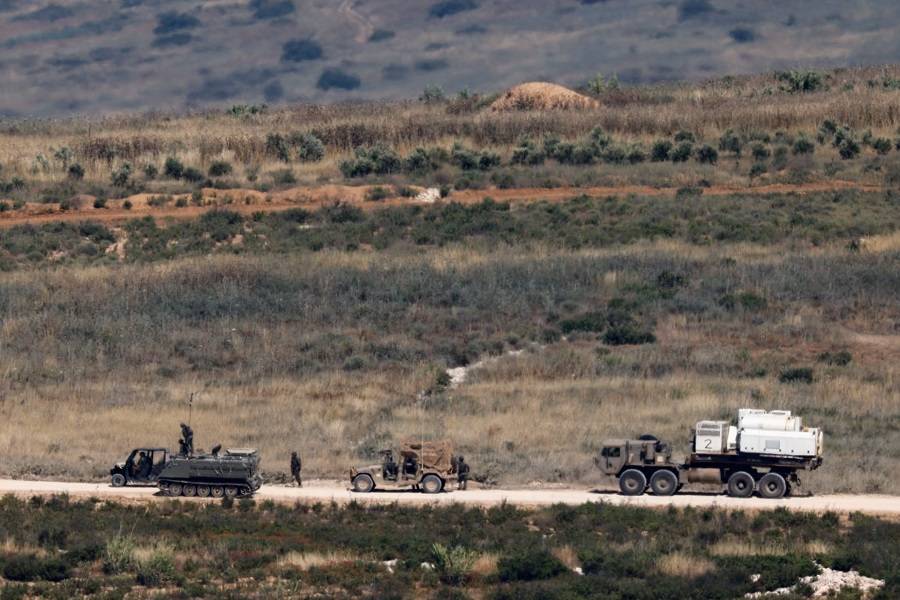
On the other hand, Israeli Security Minister Yoav Gallant expressed a rigid stance, affirming that the Israeli army would continue its operations in Lebanon to remove what he described as threats without any temporal or political restrictions. Gallant stressed that Israeli forces would not withdraw from the security zone in southern Lebanon, which places additional pressure on the Switzerland negotiations.
Reports indicated that the US administration exerted intense pressure on Tel Aviv in recent hours to avoid any major military escalation that could lead to the collapse of the ongoing talks with the Iranians. Washington believes that the success of the Lucerne summit represents a last chance to avoid a comprehensive regional explosion, which requires simultaneous de-escalation on the ground with political dialogue.
Iran's vision at this stage focuses on implementing five basic provisions of the memorandum of understanding, related to ending military operations and ensuring the flow of oil exports. Tehran considers obtaining sanctions waivers during the next 60 days to be the real test of the American side's seriousness in reaching a final settlement for the nuclear file.
Informed sources revealed that a parallel technical meeting was held between the Governor of the Central Bank of Iran and American officials to discuss the legal mechanisms for releasing frozen funds. This financial track aims to provide liquidity for the Iranian economy, which suffers from record inflation rates exceeding 50%, making the living situation a top priority for the Iranian leadership.
Inside Iran, President Masoud Pezeshkian affirmed that the decision to engage in these negotiations was not individual but resulted from a national consensus within the Supreme National Security Council. Pezeshkian explained that the leaders of the Revolutionary Guard and the army support this political path as part of a comprehensive strategy to protect national interests and alleviate economic pressures on citizens.
The Iranian President revealed for the first time the extent of the challenges his country recently faced, pointing to the disruption of oil exports through the Gulf for fifty days, which forced the state to rely on costly alternative routes. He added that the government provided significant financial support to the armed forces equivalent to the value of 20 million barrels of oil to enhance defensive capabilities during the period of tension.
The composition of the Iranian delegation in Switzerland reflects the nature of current priorities, with the absence of technical nuclear experts and a strong presence of financial, oil, and international law experts. The legal aspect is led by Kazem Gharibabadi, the former representative to the Atomic Energy Agency, indicating that Tehran is now focusing on drafting legal guarantees before delving into the technical details of the nuclear program.
Tehran adheres to Article Thirteen of the memorandum of understanding, which stipulates that any breach of any part of the agreement gives the other party the right to withdraw from its commitments. This approach reflects a deep crisis of trust between the two parties, as Iran demands tangible guarantees that are not limited to verbal promises but translate into actions on the ground and in global markets.
In conclusion, the Lucerne summit remains a pivotal testing ground for the future of the Middle East, where issues of Lebanese sovereignty intertwine with Iranian nuclear ambitions and economic interests. The coming days will have the final say on the ability of mediators to bridge the views between Washington and Tehran and avoid scenarios of comprehensive military escalation.
Starting negotiations on a final agreement with Washington will not be possible unless the clause on ending the war, including the Lebanese arena, is implemented.
Share your opinion
Switzerland Negotiations Begin: Tehran Conditions Halting Lebanon War to Open Nuclear File