






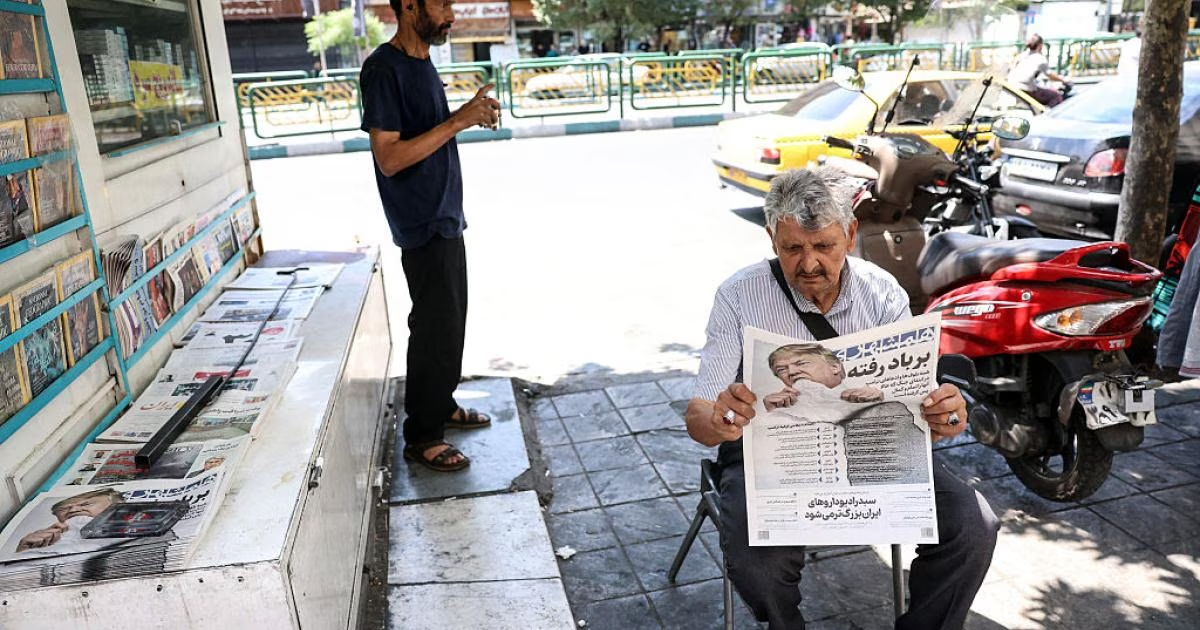
The chief Iranian negotiator and Speaker of the Parliament, Mohammad Bagher Ghalibaf, stressed that any negotiation path with the United States of America will remain governed by the constants and red lines set by the leadership in Tehran. Ghalibaf clarified that his country will not compromise on achieving the interests of the Iranian people, affirming that the armed forces are in a state of constant alert to respond to any attempt to cross sovereign borders.
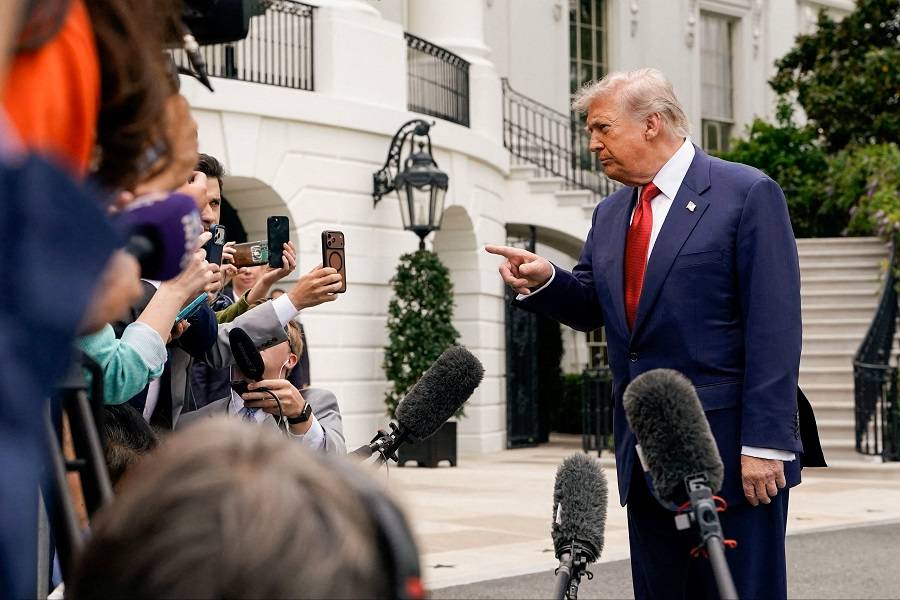
In a related context, Swiss authorities announced the cancellation of the talks session scheduled for Friday between the American and Iranian delegations, which was hoped to discuss mechanisms for ending the ongoing conflict in the region. This cancellation came after a sudden decision by US Vice President, J.D. Vance, to apologize for traveling to Switzerland, adding more ambiguity about the future of de-escalation.
For its part, the White House issued a brief statement indicating that the logistical arrangements related to these negotiations were complex and unpredictable. Although the American delegation was supposed to head to the Bürgenstock mountain resort to finalize the arrangements, the Swiss Foreign Ministry confirmed the postponement of the meeting while preparatory work continues.
These developments come after Tehran showed flexibility regarding the initiation of technical talks based on a 14-point framework agreement, primarily aimed at extending the ceasefire for at least two months. However, there is still a gap in views on the necessity of holding official signing ceremonies, as the Iranian Foreign Ministry believes that the signature of former presidents is sufficient to implement the provisions.
On the ground, the repercussions of the war that erupted on February 28 continue to cast a shadow over the scene, with air attacks causing the deaths of nearly 7,000 people. These confrontations have led to severe disruptions in global energy markets, pushing prices to record levels that have raised international community concerns.
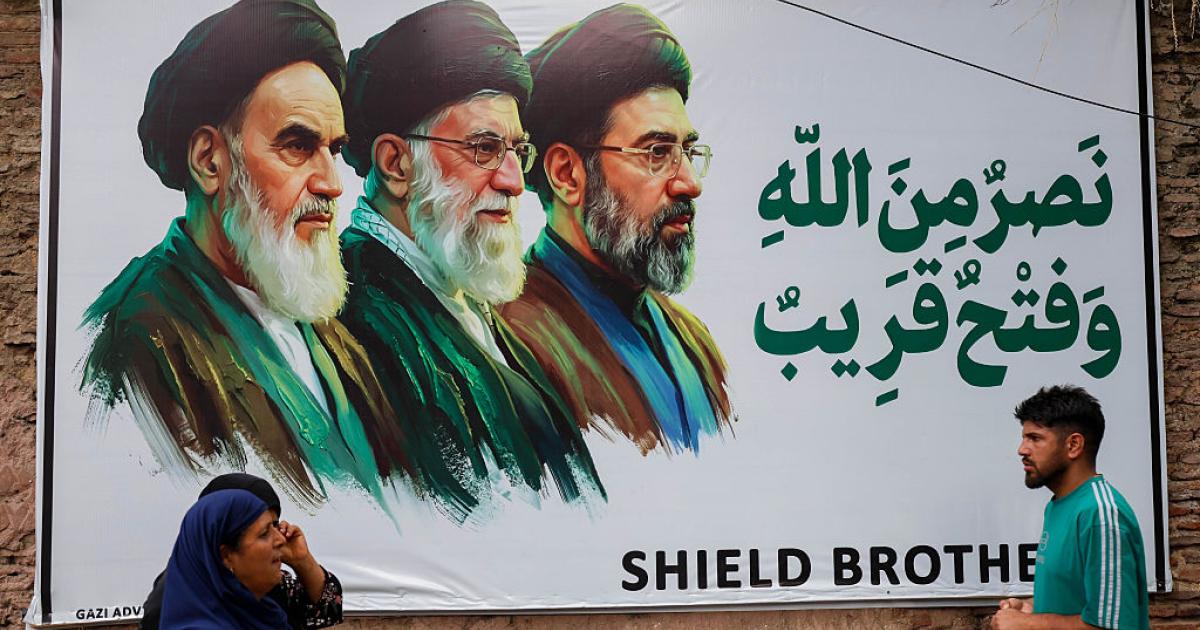
In a comment on the American position, Iranian Supreme Leader Mojtaba Khamenei considered that President Donald Trump's signing of the agreement was a result of despair and political necessity. Khamenei warned that negotiations on the nuclear program would not be easy, stressing that Iran would not accept any exaggerated demands or additional pressure from the American side.
According to informed sources, political attention in Tehran has begun to shift significantly towards military escalation in southern Lebanon, where developments there now dominate official discussions. The circulating information suggests that the cancellation of the Switzerland meeting may be closely linked to the worsening situation on the Lebanese front, despite the absence of official confirmations of this link.
The Iranian National Security Council affirmed in a statement that it will continue to work to protect the state's rights and support the resistance front in the region by all available means. The council pointed to a deep state of distrust towards American promises, stressing that Tehran will take immediate countermeasures if any violation of existing agreements is detected.
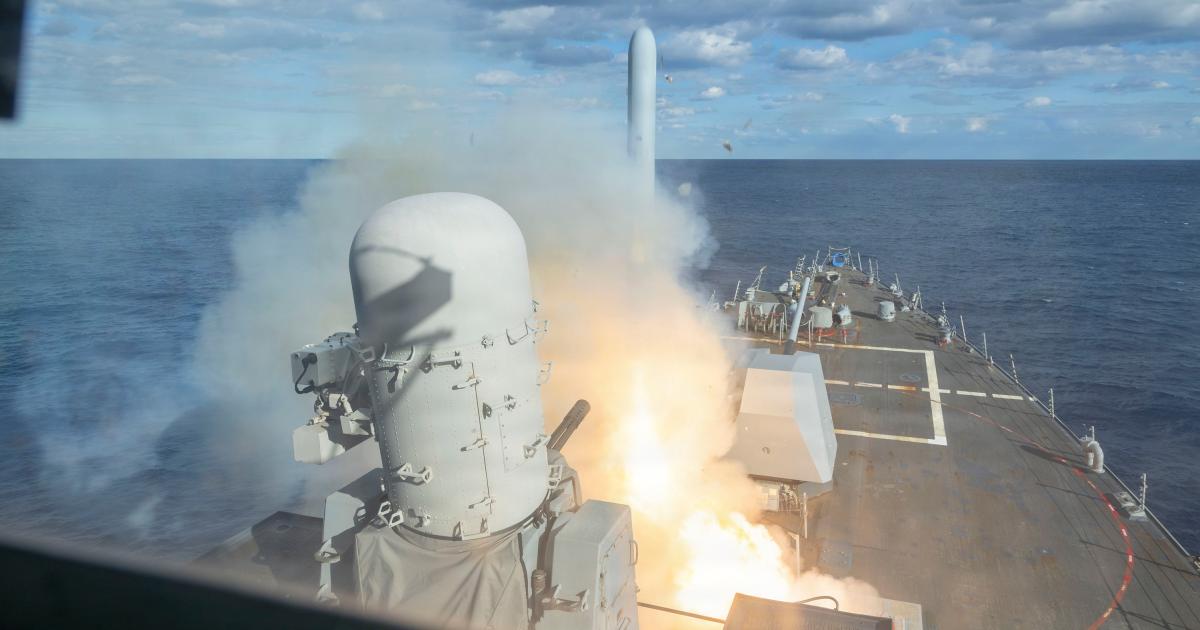
In the context of combat readiness, the Iranian Revolutionary Guard announced an increased state of alert among its ground, naval, and air forces to deal with any emergency. The Guard's leadership clarified that it awaits higher directives for action, noting that the balance between diplomatic and military paths is the current strategy to ensure deterrence.
A state of questioning prevails within political circles in Tehran regarding the US administration's ability to control Israeli movements and adhere to declared understandings. Observers believe that the Lebanon file has become an integral part of any comprehensive agreement, which puts Washington to a real test of its ability to curb Tel Aviv, away from the influence of internal lobbies.
In conclusion, the scene remains open to all possibilities amid continued diplomatic intransigence and mutual military buildup, as Tehran believes that any imbalance in the political path will be met with field escalation. International parties are awaiting what the coming days will bring in terms of attempts to revive the Suez negotiation channel or slide towards a wider confrontation.
If the enemy seeks to cross the borders, we have proven that our fingers are on the trigger, and we will not hesitate to deliver a fatal blow to them.
Share your opinion
Iran adheres to 'red lines' and threatens military response amid stalled Switzerland talks