






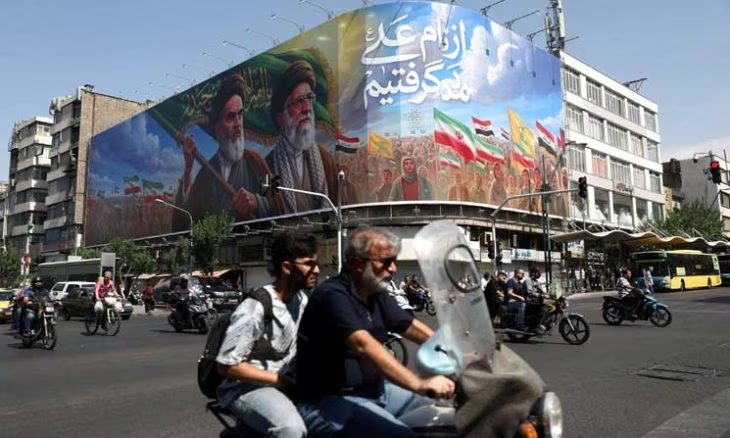
International experts and analysts have unanimously agreed that the military confrontation witnessed in the Middle East over the past four months did not result in a clear winner in the traditional sense. Despite the weakening of Iran's military and economic structure, Tehran succeeded in thwarting the major strategic objectives that the United States and Israel had set their sights on at the outbreak of the conflict.
This assessment comes after the surprise signing of a memorandum of understanding between Washington and Tehran in Switzerland, a step that postponed the resolution of more complex issues and opened the door for sixty days of arduous negotiations. This agreement put Israel in a critical position on the sidelines, while the major powers try to rearrange their cards in the turbulent region.
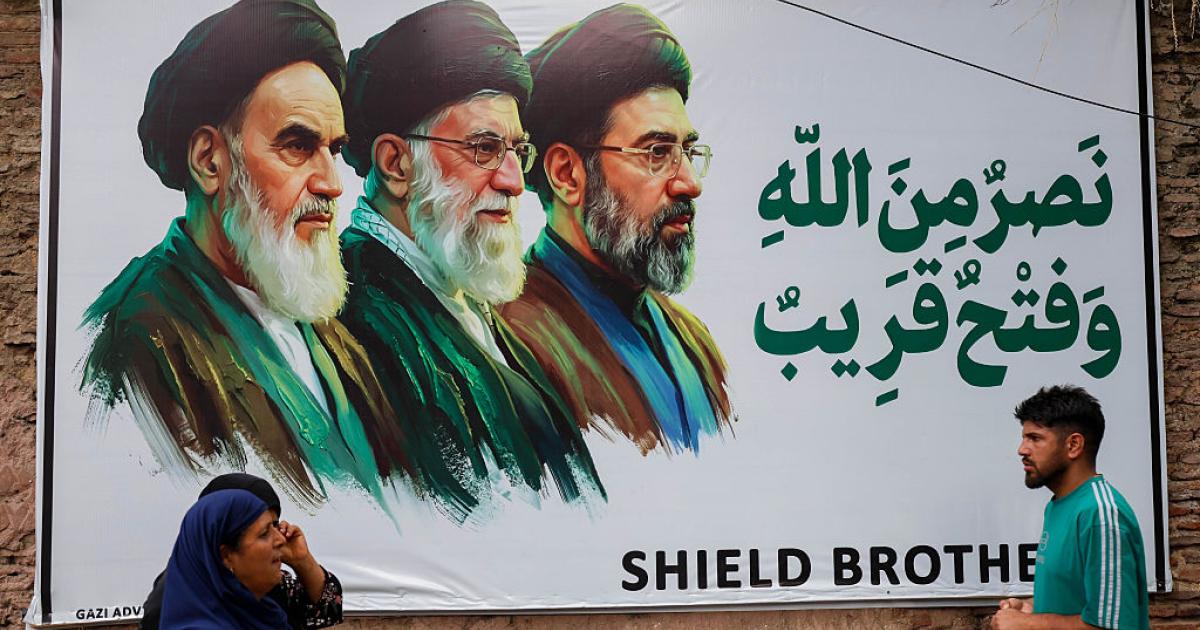
Iran emerges from this conflict burdened with deep wounds, especially after the devastating blow it received on the first day of the war, which was the killing of Supreme Leader Ali Khamenei. Despite the absence of his presumed successor, his son Mojtaba Khamenei, from the public scene so far, the power structure in Tehran showed unexpected cohesion in the face of intense airstrikes.
Researcher Ross Harrison believes that Iran achieved a 'survival victory,' as it prevented its adversaries from overthrowing the regime or definitively destroying its ballistic and nuclear capabilities. Harrison considered that Tehran was able to re-establish its deterrence concept, although this came at a very high cost in terms of human and material losses.
For her part, researcher Burcu Özçelik pointed out that Tehran's ability to threaten the Strait of Hormuz remained its strongest card throughout the conflict. She explained that the continuation of this threat will cast a shadow over regional security for many years, as Iran will use it as a pressure tool to extract major concessions during upcoming rounds of negotiations with the US administration.
The recent agreement included provisions that grant Iran significant economic breathing room, including the recovery of billions of dollars in frozen assets abroad and the suspension of sanctions imposed on the oil sector. In return, Tehran agreed to reopen the Strait of Hormuz to international navigation, while retaining the right to impose transit fees under a legal clause added at the last moments of the negotiations.
On the American side, President Donald Trump was quick to describe the agreement as a historic victory, coinciding with his 80th birthday celebration. Observers believe that Trump's primary motive was to lower global energy prices and secure oil flow, especially with the approaching congressional midterm elections, which represent a real test of his popularity and his party.
However, French analysts, including Bernard Hourcade, believe that what Trump achieved was a 'media victory' rather than a political one, emphasizing that the war proved the limits of American military power. Hourcade added that the United States lost a significant part of its international credibility after failing to resolve the conflict militarily and ultimately resorting to the negotiating table with a regime it sought to overthrow.
Major capitals such as Moscow and Beijing are closely monitoring the results of this conflict to draw lessons on how Washington manages its alliances and international crises. Security experts believe that the way the war ended will directly affect the shaping of future crises in other parts of the world, far from the borders of the Middle East.
In contrast, Israel appears to be the party most affected by this diplomatic path, described as the 'biggest loser' in this round. The postponement of a decision on the Iranian nuclear file dashed Israeli hopes of definitively ending this threat, and the momentum for normalization and strategic relations with countries in the region declined.
Israeli Prime Minister Benjamin Netanyahu faces immense internal pressure and criticism from his American ally himself, with Trump describing him as a 'tough guy.' The Israeli opposition accuses Netanyahu of failing to achieve any of the war's objectives, and even endangering Israel's security through military operations in Lebanon that nearly derailed the major negotiations.
Although the agreement stipulates a cessation of hostilities between Israel and Hezbollah, the roots of the conflict in Lebanon remain unresolved. Observers warn that continued Iranian support for armed factions will remain the main obstacle that could reignite the situation at any moment during the next sixty days.
The Iranian nuclear issue remains the 'ticking time bomb' that the current agreement has not directly touched, leaving it for anticipated marathon negotiations. Despite Trump's repeated assurances that Iran will not possess nuclear weapons, the reality on the ground indicates that Tehran is closer than ever to possessing the necessary technology.
In conclusion, it seems that the region has entered a phase of 'anxious truce,' where each party seeks to repair its losses and prepare for the next round of diplomatic conflict. While Washington celebrates the return of oil flow, and Tehran fortifies itself with its political gains, Israel remains in a state of anticipation and concern about an uncertain future that does not guarantee its national security as it had hoped.
Strategically and geopolitically, the only real winner in this phase is Iran, but it is a high-cost victory that Tehran paid to prevent its adversaries from achieving their goals.
Share your opinion
Balance of Power After the Iran War: Tehran Survives Politically, Israel Faces Strategic Setback