






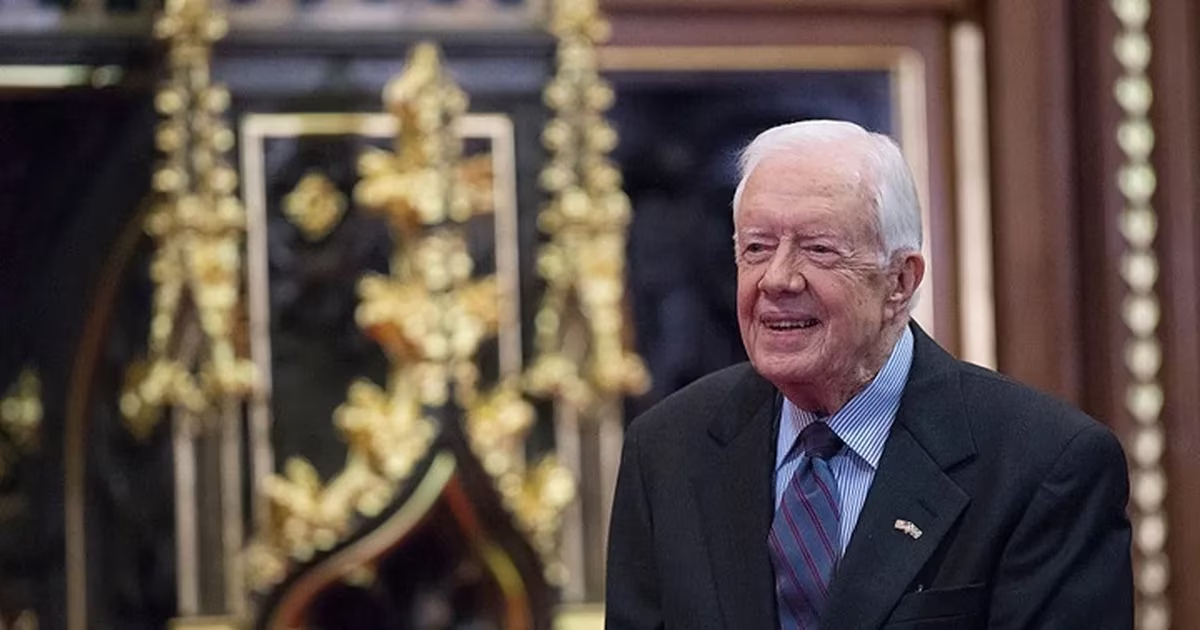
International analytical readings suggest that US President Donald Trump is now facing a political predicament reminiscent of the era experienced by the 39th President of the United States, Jimmy Carter. Reports indicate that Tehran has successfully seized control of the war narrative, forcing the current US administration to operate within parameters set by Iranian field and political developments.
Despite the vast difference in personality and style between Trump and Carter, with the latter known for being frugal and serving the citizen, Iran has become the common denominator threatening their political futures. Just as the hostage crisis hijacked Carter's presidency and led to a political catastrophe from which he did not recover, Trump now finds himself in a trap of 'epic anger' that he entered dismissively.
Sources indicate that concern over human casualties represents a shared weakness between the two presidents, as both dislike seeing the coffins of American soldiers return home. The loss of eight soldiers in a failed rescue attempt left a deep impression on Carter's psyche, while Trump today faces increasing pressure after the killing of 13 soldiers in the Gulf region.
The White House is currently concerned about an angry popular backlash should the pace of casualties among US forces escalate. This fear gives the Iranian side greater ability to maneuver and impose conditions, exploiting the American public's sensitivity to involvement in long-term or humanly costly military conflicts.
Looking back at history, analysts recall that the Carter administration's inability to resolve the hostage crisis signaled weakness that encouraged the Soviet Union to invade Afghanistan. That invasion came just weeks after the storming of the US Embassy in Tehran, which shifted the international balance of power in that sensitive historical era.
Reports reveal that high-level diplomatic interventions, including the role of Pope John Paul II and National Security Advisor Zbigniew Brzezinski, prevented the Soviets from invading Poland at that time. Nevertheless, the failure to contain the Iranian file remains the defining mark that led to the erosion of American prestige in the late 1970s.
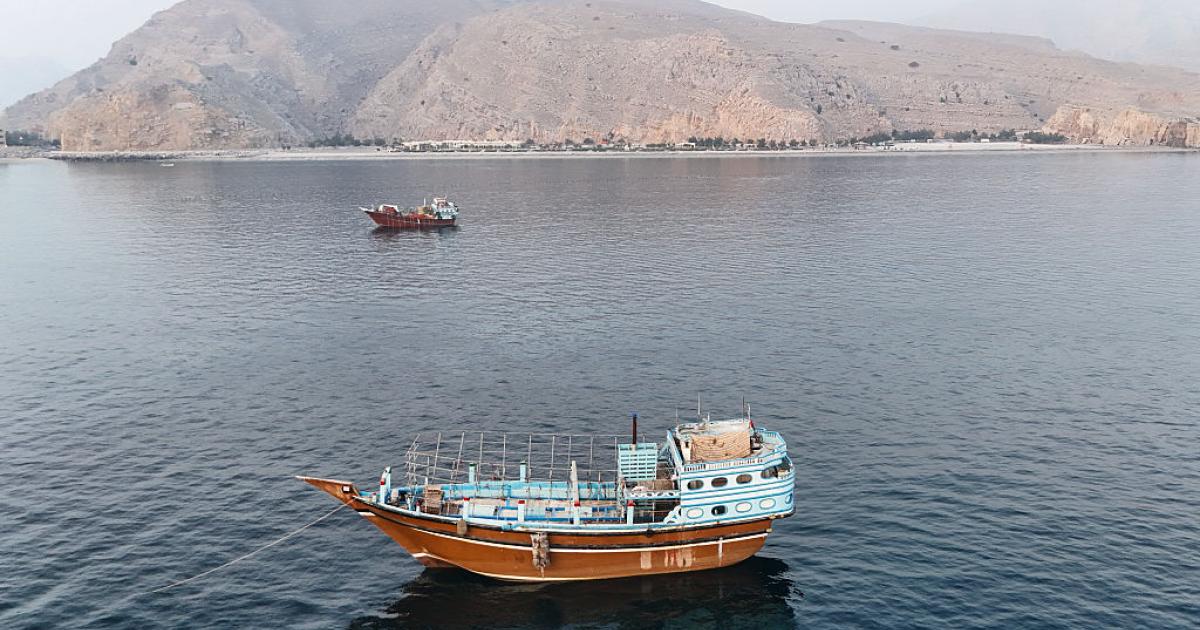
In the current scene, it appears that Trump has become a hostage in the heart of the complex 'Middle East labyrinth,' where regional issues are intertwined in a way that makes them difficult to separate. The matter is no longer limited to direct confrontation but has extended to include Iranian influence in neighboring countries and its impact on energy security and shipping lanes.
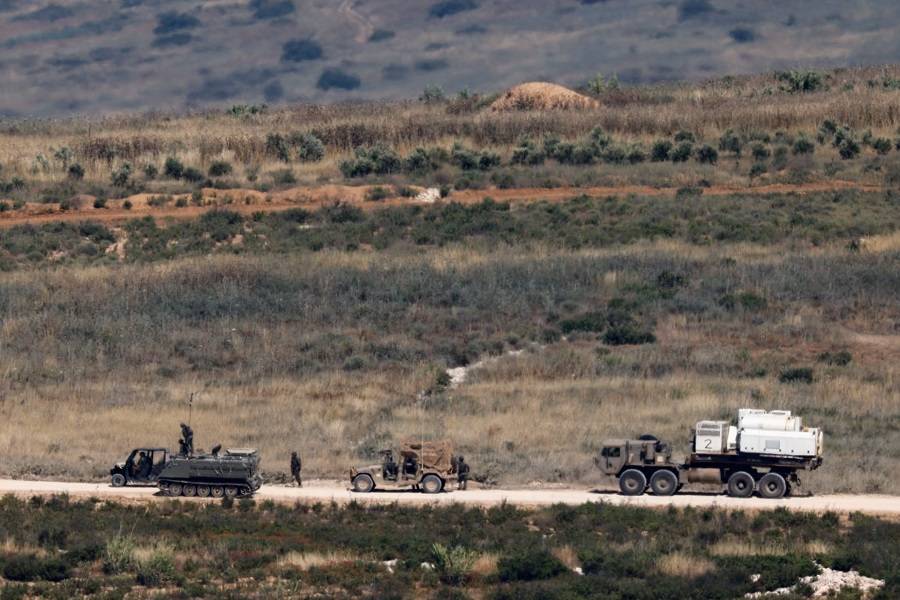
Tehran today imposes harsh conditions for sitting at the negotiating table, foremost among them a comprehensive and complete ceasefire in Lebanon. This demand puts the US administration in a critical position before its allies, especially with the continued Israeli military operations targeting various sites in Lebanese territory.
Sources indicate that whenever Israel launches new attacks on Hezbollah targets or deep within Lebanon, Iran's conditions for reaching any agreement become more complex. This mutual escalation makes Trump a party trying to catch up with events rather than create them, which reinforces the hypothesis of dependence on the Iranian path.
Ultimately, the American president finds himself facing choices, the least bitter of which is still bitter: either accepting Iranian conditions, which may seem like a concession, or risking further military escalation. The comparison with the Carter era remains a warning that external crises, particularly with Iran, are capable of undermining the foundations of the strongest American presidencies.
Trump has become a hostage to Iran's mindset, which insists on a complete ceasefire in Lebanon as a prerequisite for any negotiations.
Share your opinion
International Analysis: Iran Imposes a 'Historical Trap' on Trump, Reviving the Ghost of the Carter Era