






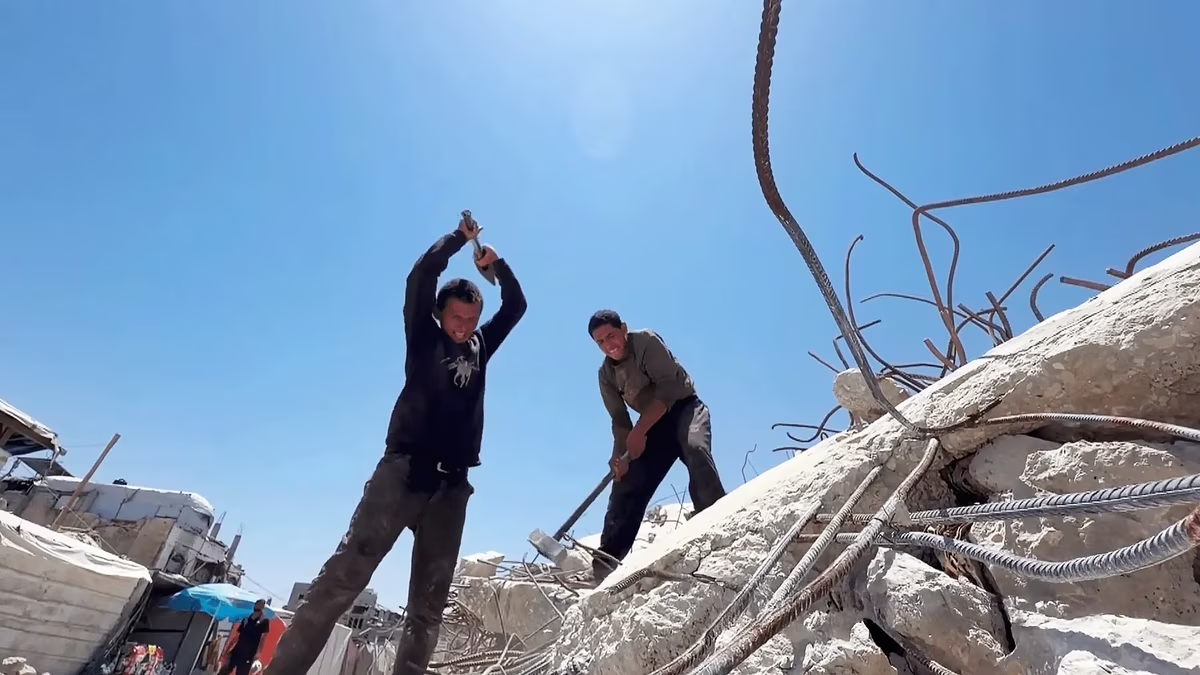
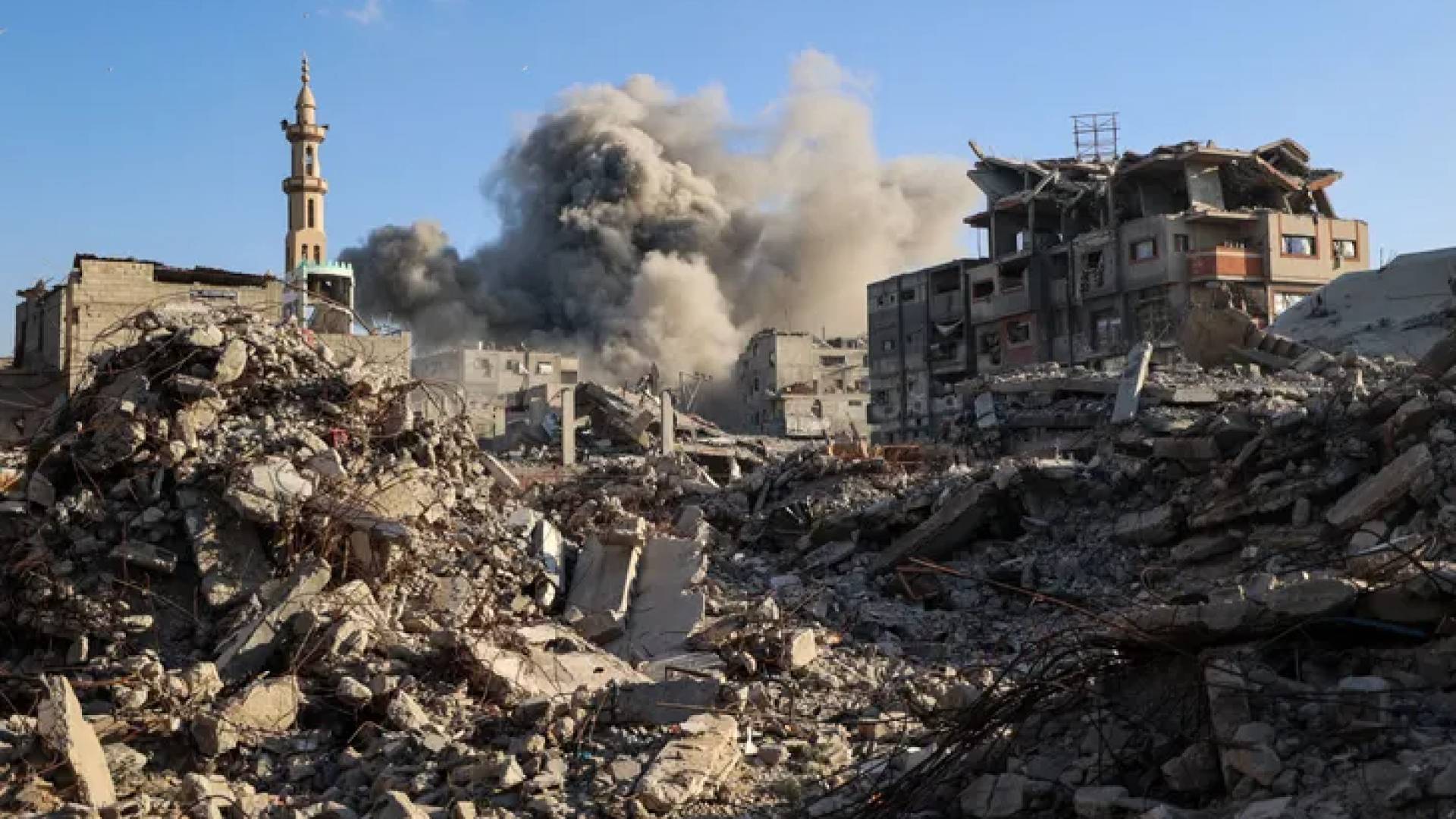
Amidst the sharp rise in summer temperatures, the spread of skin diseases, and daily suffering, displaced families in Khan Yunis are forced to invent harsh solutions to survive. Many citizens have begun extracting iron rods from the rubble of walls and concrete ceilings of homes destroyed by the occupation, with the aim of erecting supports for their temporary tents, which no longer protect them from the sun's heat or weather fluctuations.
This forced step comes as a result of the severe scarcity of available alternatives and the insane rise in the cost of obtaining ready-made tents or the wood needed for construction. Despite the grave dangers facing the displaced while working on crumbling concrete blocks, the need to secure even a simple shelter drives them to embark on this arduous daily adventure among the ruins.
Field sources reported that the family of citizen Ahmed Abu Daqqa is an example of this suffering, as its members are busy retrieving iron rebar to repair their dilapidated tent. Abu Daqqa uses thick rebar of specific measurements to provide greater protection and secure the corners of the shelter, emphasizing that these metals, which were once part of their domestic stability, are now their only means of resilience.
Extracting iron is no longer limited to personal use; it has transformed into a nascent trade in the crowded alleys of displacement camps. Displaced people are eager to buy these rebars as an alternative solution amidst the continued closure of crossings and the prevention of essential materials from entering, making the rubble of destroyed homes an unofficial market that provides the minimum requirements for camping.
Citizen Ibrahim, known as Abu Mustafa, spends long days breaking huge concrete blocks using simple hand tools to extract and sell iron. Through this arduous work, Abu Mustafa seeks to secure a meager amount ranging from 50 to 60 shekels daily, an amount that barely suffices to sustain himself and secure his family's basic living needs amidst exorbitant prices.
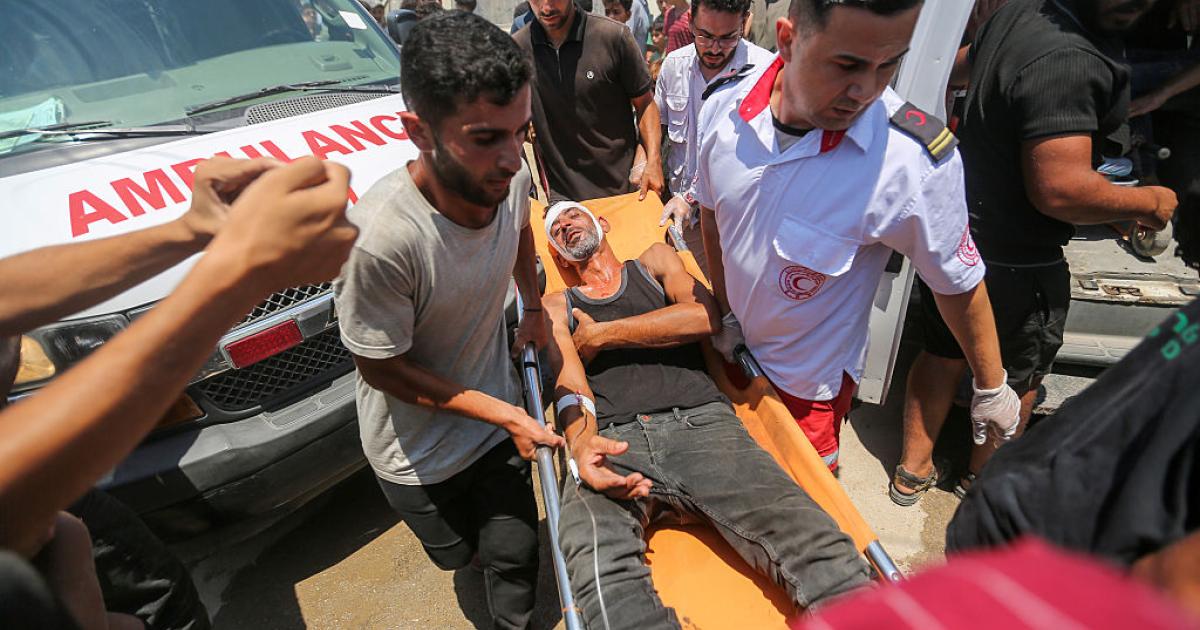
On the ground, the Ministry of Health in the Gaza Strip announced the martyrdom of 8 Palestinians during the past twenty-four hours, raising the total death toll from the ongoing war of extermination since October 2023 to about 73,000 martyrs. These figures coincide with the continued field violations affecting all segments of Palestinian society in the besieged Strip.
In a related context, the Union of Fishermen's Committees stated that occupation forces carried out a pursuit operation against fishermen's boats off the coast of Gaza, resulting in the arrest of 9 fishermen and their abduction to an unknown destination. These maritime attacks further tighten the noose on the remaining livelihoods of the population, who are already suffering from food insecurity.
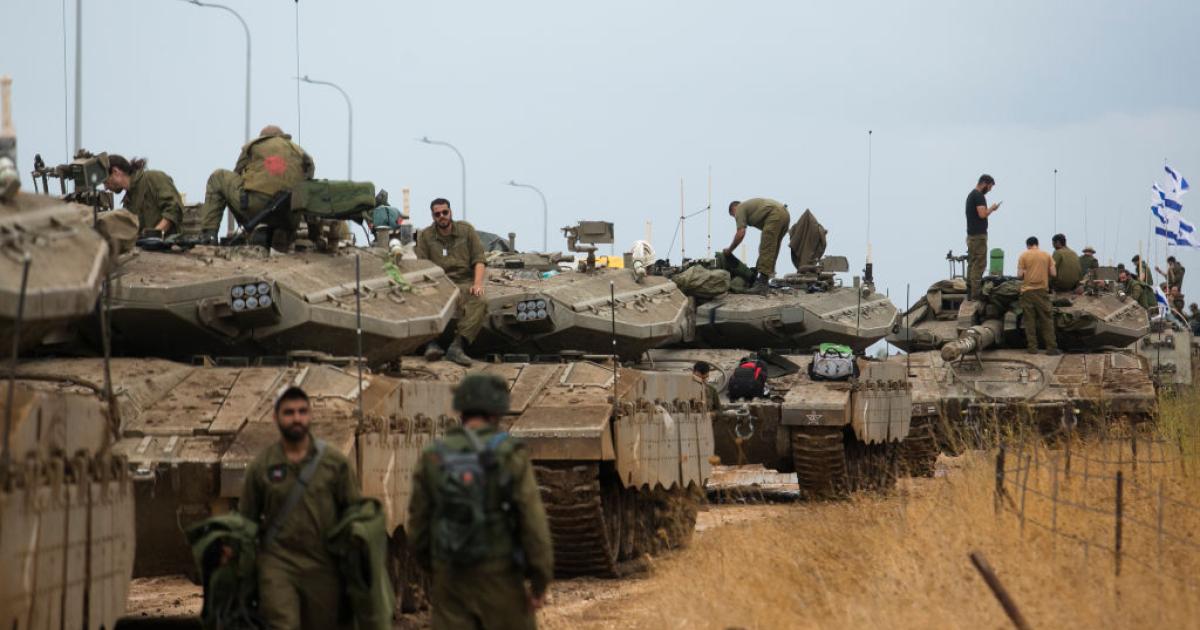
Despite the ceasefire agreement being in effect since October 10, 2025, the Israeli occupation continues to launch sporadic attacks and raids in various areas of the Strip. This complex field reality places Gaza residents between difficult choices, where the search for safety is mixed with the dangers of working among the rubble and under intermittent shelling.
These iron rods, which were once the pillars of our warm homes, have now become the only support preventing our tents from collapsing over our heads.
Share your opinion
From Rubble to Tents: Khan Yunis Displaced Adapt Iron from Destroyed Homes to Face Summer and Siege