






A professor at City University of New York and editor of 'Jewish Currents' magazine emphasized the necessity of holding Washington seriously accountable for its wars, which he described as bad and failed. In an analytical article in 'The New York Times,' he pointed out that American military involvement against Iran has put tens of millions around the world in direct confrontation with the risk of severe famine.
The writer explained that the repercussions were not limited to abroad but extended to hit the American heartland through an unprecedented increase in inflation rates. He considered these economic outcomes a direct price for political decisions that did not take into account the long-term consequences for global or internal stability.
On the humanitarian front in Iran, the academic revealed horrific human losses among civilians, including the killing of more than 100 Iranian children. This tragedy occurred when a Tomahawk missile targeted an elementary school in the town of Minab, reflecting the scale of the humanitarian catastrophe accompanying military operations.
The article noted that none of the strategic objectives set by Washington for this war were achieved on the ground, including the goal of overthrowing the regime. On the contrary, the writer believes that the Iranian government appears stronger today than it was at the outbreak of the first spark of armed conflict.
Tehran, according to the analysis, demonstrated a high capacity to influence global national and economic security by disrupting navigation in the Strait of Hormuz. This action led to a partial paralysis of international trade, demonstrating the limited effectiveness of American military power in imposing its political will without exorbitant costs.
The writer believes that the fate of the current war remains unknown in terms of when and how it will end, but he affirmed one clear truth: American foreign policy will continue to produce similar disasters unless the principle of genuine accountability for those responsible for making war decisions is activated.
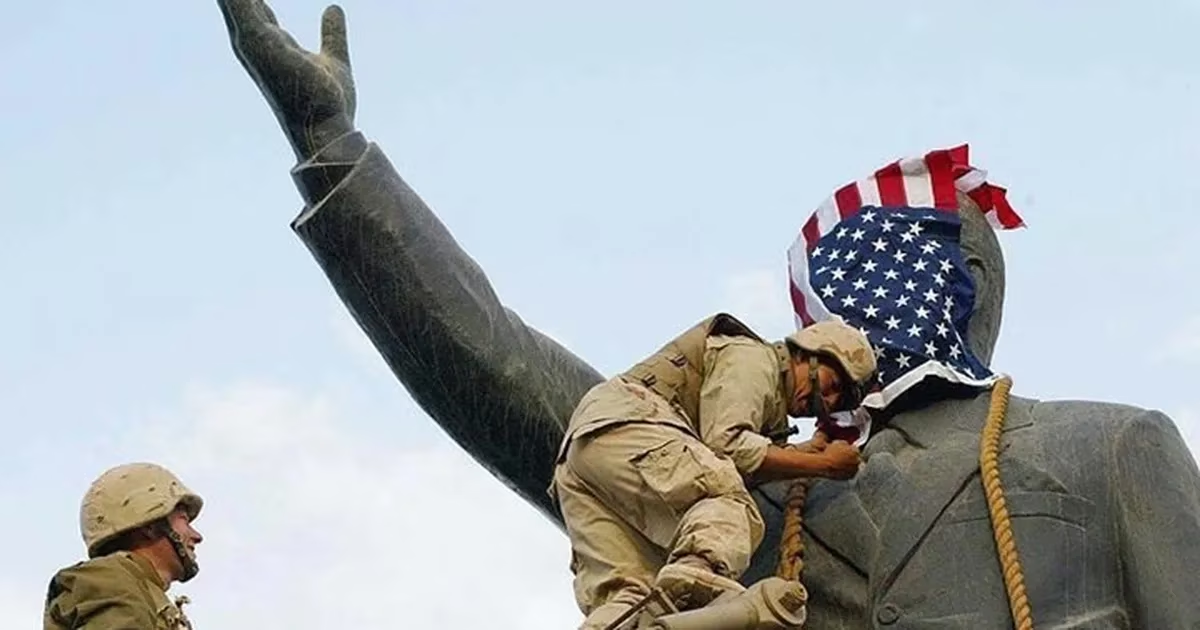
The article recalled the 2003 invasion of Iraq, asserting that if the planners of that war had been held accountable, the United States would not find itself in a military conflict with Iran today. The absence of political punishment allowed the repetition of the same strategic errors under different pretexts and justifications in the Middle East.
Looking back at recent history, the academic noted that most Americans realized the mistake of the Iraq invasion by George W. Bush's second term. The public expressed its dissatisfaction by voting for candidates who showed opposition to the war, or at least pretended to do so in their successive election campaigns.
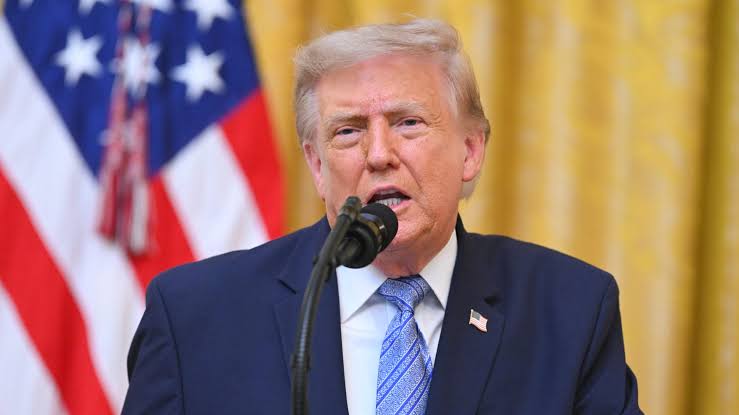
The writer cited Barack Obama and Donald Trump as examples, who exploited the anti-war public sentiment to come to power at the expense of candidates who supported the invasion. Among the most prominent political losers due to their pro-Iraq war stances were Hillary Clinton and the late Senator John McCain.
However, the article criticized the stark contradiction in the appointment mechanism within successive American administrations, where war supporters were rewarded instead of being sidelined. Obama chose Joe Biden as his vice president, and appointed Clinton and John Kerry as Secretary of State, despite their previous votes in favor of the Iraq invasion.
The situation was no different during Donald Trump's era, who chose John Bolton as National Security Advisor, one of the most prominent hawks who pushed for the Iraq invasion. And when Biden became president, he appointed Antony Blinken as Secretary of State, who was his chief advisor when he made his 'catastrophic' decision to support the war in 2003.
The academic considered it difficult to imagine another unjustified war in the Middle East while the coffins of American soldiers were returning from Baghdad and Ramadi. But reality proved that the Iraq invasion only changed public opinion, without fundamentally altering the decision-making mindset in Washington.
The writer described the recent House of Representatives vote to try to stop the war with Iran through the War Powers Act as a belated positive sign. He believes that this step reflects some politicians finally responding to the general public sentiment rejecting involvement in endless military conflicts.
The article concluded by warning that this step remains insufficient unless it is followed by deeper and more comprehensive accountability for those responsible for strategic failure. Without that, future disasters that undermine America's global influence and shake citizens' trust in the internal democratic system must be expected.
Foreign policy disasters will continue unless those responsible are held accountable, and if this accountability had occurred after the Iraq invasion, it would be unlikely that we would be at war with Iran today.
Share your opinion
American academic: Lack of accountability for Iraq invasion led Washington to the catastrophe of war with Iran