






The region witnessed a dangerous military escalation on Sunday evening, as Tehran announced widespread missile strikes targeting Israeli territory. The Iranian leadership described this operation as a direct warning message in response to the raids that targeted the southern suburb of Beirut earlier the same day.
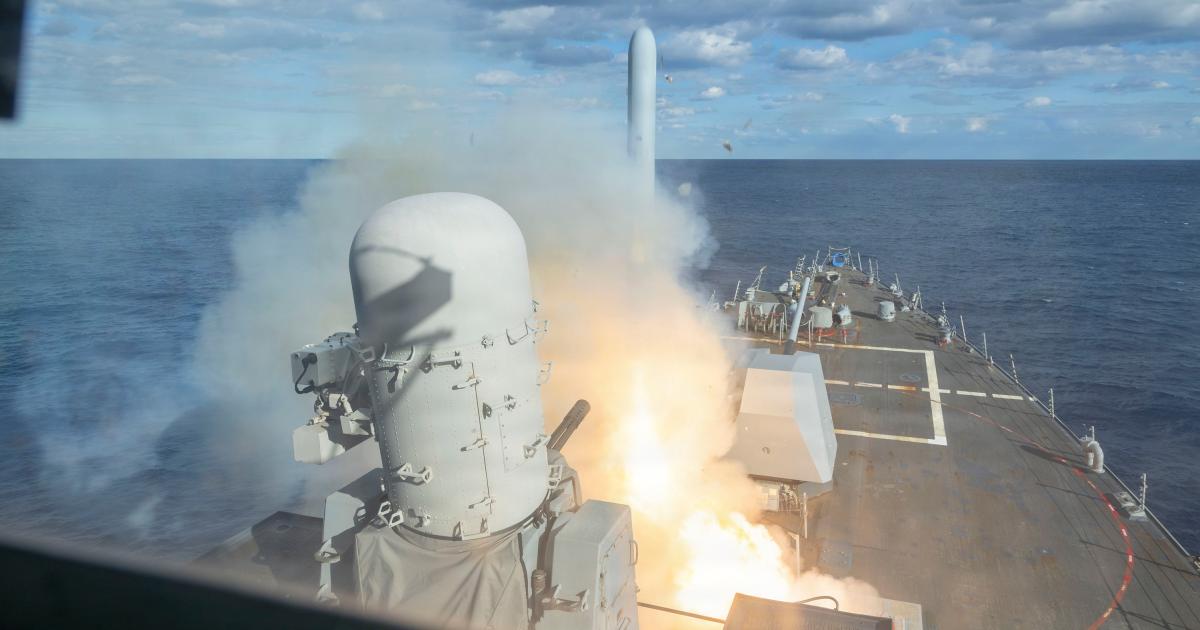
The Iranian Revolutionary Guard Corps confirmed in an official statement that the attack included the launch of salvos of ballistic missiles, specifically targeting the Ramat David Airbase. The statement warned that any upcoming Israeli adventure would be met with a harsher and more comprehensive response affecting all interests associated with the occupation and its allies in the region.
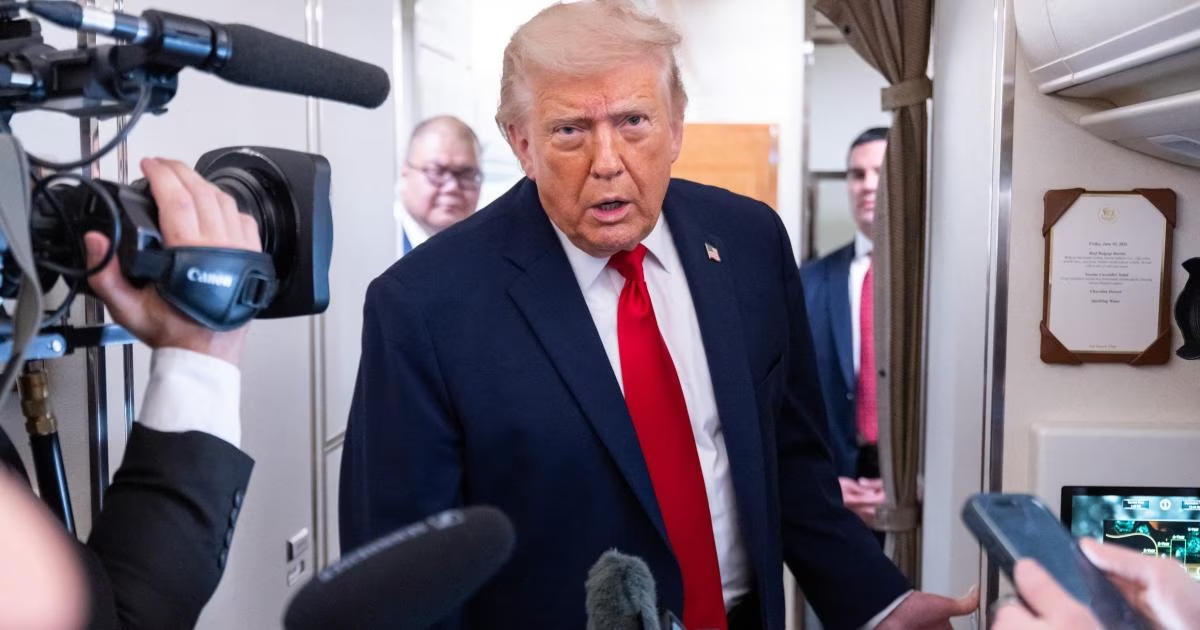
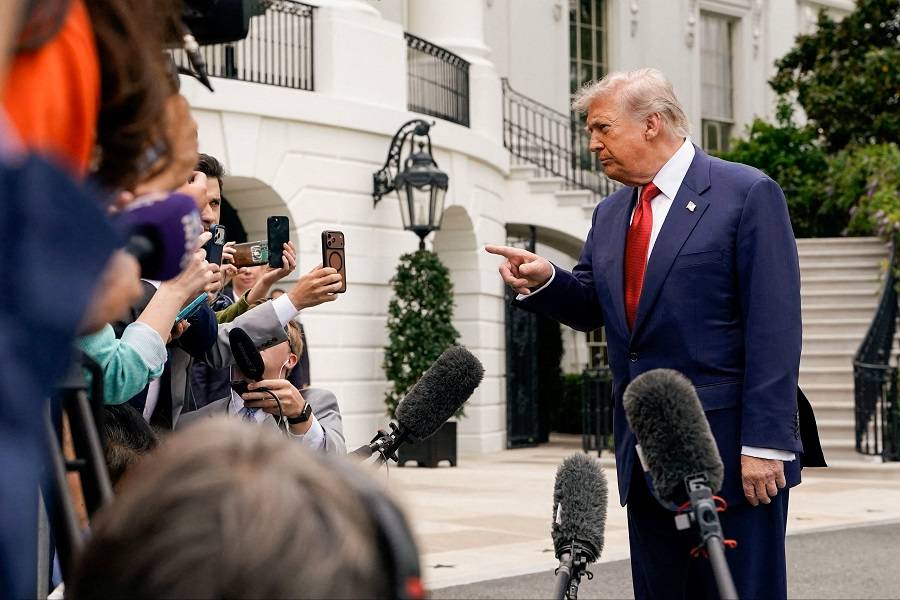
For his part, US President Donald Trump entered the crisis, calling on the Iranian leadership to stop the military escalation and immediately return to the negotiating table. Trump indicated in press statements that these attacks complicate diplomatic efforts that were close to achieving a tangible breakthrough.
Trump expressed cautious optimism about the possibility of reaching a comprehensive agreement in the coming days, despite the current tensions. He sent a direct message to the Iranians that the display of missile power was over, and that it was time to conclude a deal that would end the ongoing conflict.
In a related context, Trump revealed his intention to communicate with Israeli Prime Minister Benjamin Netanyahu to urge him not to respond militarily to the Iranian attack. The US President expressed his displeasure with the Israeli raids that targeted the Lebanese capital, Beirut, describing them as an unsatisfactory step.
On the ground, media sources reported the detection of three salvos of missiles launched from Iranian territory towards areas in northern Israel. These barrages activated sirens in wide areas, while air defense systems attempted to intercept targets in the skies of Galilee and Tiberias.
The field developments led to a near-complete paralysis of vital Israeli facilities, as air traffic at Ben Gurion International Airport was halted. Israeli authorities also announced the cancellation of schooling in all educational institutions in anticipation of the expansion of the missile bombardment.
On the Lebanese side, an Israeli raid had targeted the southern suburb of Beirut, resulting in the death of two people and the injury of 11 others in an initial toll. Tehran considered this attack a violation of the understandings that aimed to achieve a comprehensive de-escalation on all fronts.
The commander of the Khatam al-Anbiya headquarters, Ali Abdullah Ali Abadi, stated that the Israeli army must immediately stop its attacks on southern Lebanon and the suburb. Abadi threatened that any Israeli response to the Iranian strike would be met with destructive strikes exceeding what the region has witnessed in recent hours.
Inside Israel, sources quoted security officials as confirming that Tel Aviv would not leave the Iranian attack without a deterrent response. The Hebrew Broadcasting Corporation clarified that security consultations are taking place at the highest levels to determine the nature and timing of the anticipated response to the missile bombardment.
For his part, Iranian Parliament Speaker Mohammad Bagher Ghalibaf considered that American and Israeli bases in the region have become legitimate targets for Iranian forces. Ghalibaf accused Washington of giving Israel the green light to continue its military operations targeting civilians and leaders in the region.
Hebrew reports indicated material damage in the city of Tiberias as a result of missile fragments or interceptor missiles falling in populated areas. Despite the scale of the attack, American sources quoted Trump as saying that the strikes did not result in serious human casualties, which could open a window for containing the situation.
These developments come after a period of relative calm that began on April 8, putting fragile agreements to the test. Observers believe that the coming hours will be crucial in determining the course of the conflict, either towards a full-scale explosion or a return to de-escalation.
Finally, the National Security Committee of the Iranian Parliament is closely monitoring the rapid developments in Lebanon and Palestine, affirming its readiness to act militarily or diplomatically. Anticipation remains the master of the situation, awaiting the outcome of intensive international contacts to prevent the region from sliding into a widespread regional war.
You have launched your missiles, that is enough... return to the negotiating table and reach an agreement.
Share your opinion
Trump calls on Tehran to negotiate after widespread Iranian missile attack on Israel