






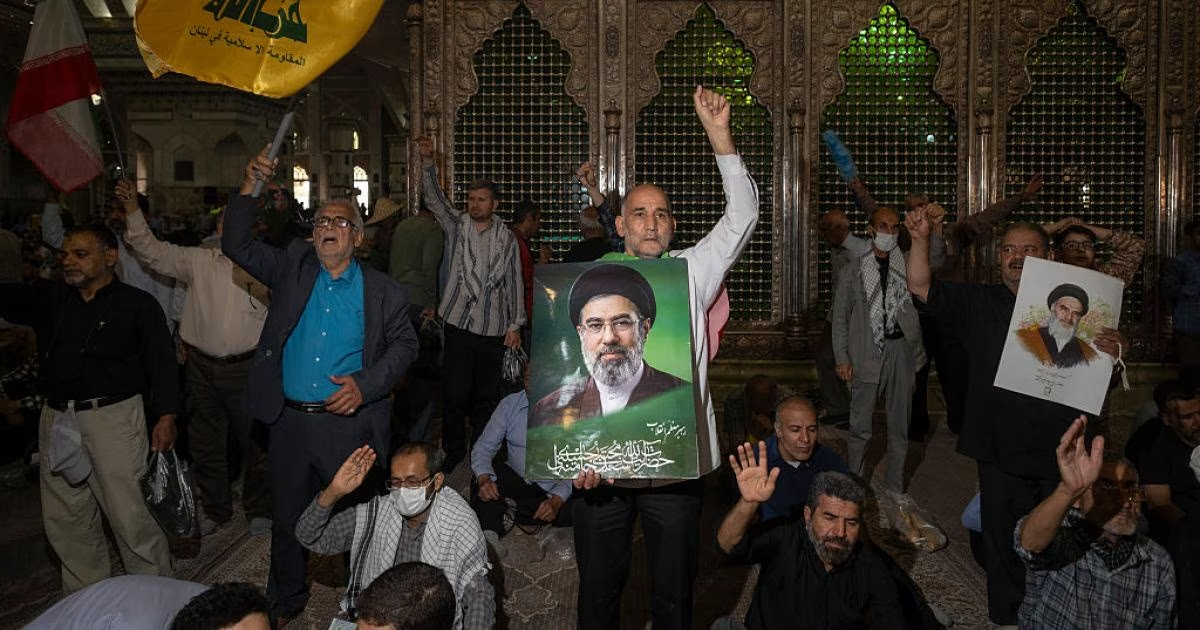
The Islamic Republic of Iran, today Saturday, condemned a new round of American military strikes that targeted radar installations and surveillance sites along the Gulf coasts during the night hours. The Iranian Ministry of Foreign Affairs described these movements in an official statement as a blatant violation of ceasefire agreements and a direct assault on Iranian national sovereignty.
Tehran considered the American behavior aggressive and provocative, noting that Washington bears full responsibility for any military escalation the region might witness as a result of these actions. The Iranian Foreign Ministry affirmed that the repetition of these attacks proves the United States' lack of seriousness in regional de-escalation efforts called for by the international community.
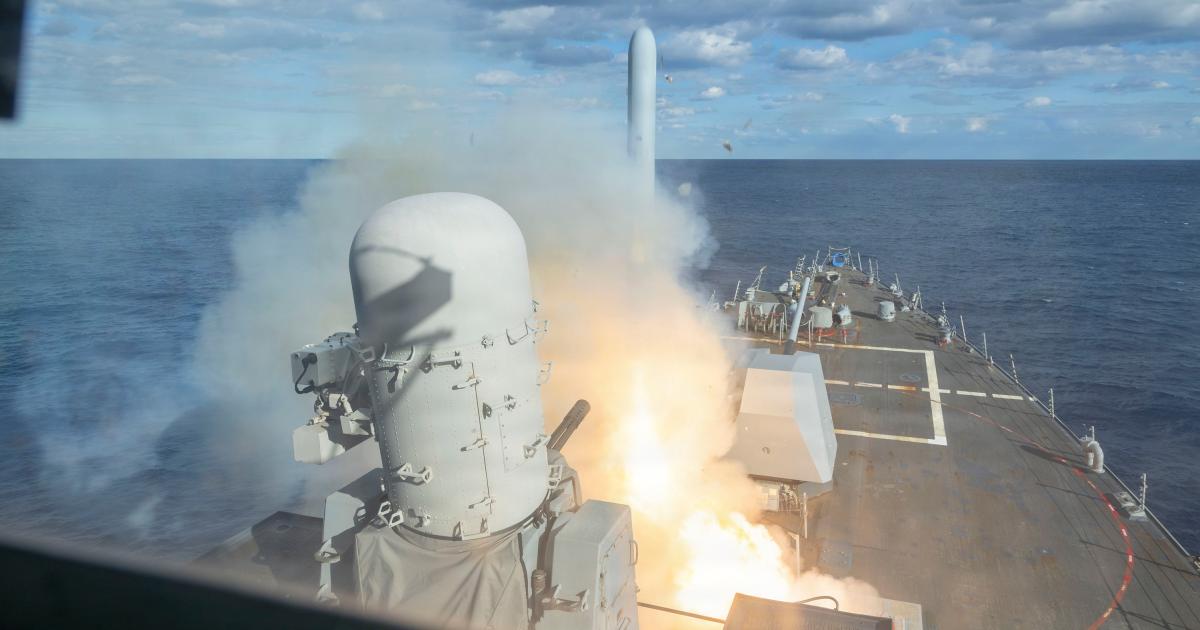
In contrast, the early hours of Saturday witnessed both Kuwait and Bahrain subjected to intense missile attacks, which field sources confirmed originated from Iranian territory. These attacks came after the United States announced precise strikes deep inside Iran, leading to an exacerbation of military tension in vital waterways.
Authorities in Manama described the missile attacks as a blatant aggression and a flagrant violation of state sovereignty, calling on Tehran to immediately cease these unjustified practices. Bahrain stressed the necessity of resorting to peace and avoiding policies that lead to destabilizing the region and threatening the security of its citizens and vital installations.
For its part, the State of Kuwait announced the success of its defense systems in repelling hostile attacks that included ballistic missiles and suicide drones. The Kuwaiti Foreign Ministry expressed its strong condemnation of these repeated aggressions, describing them as a dangerous escalation that disregards all international efforts aimed at sparing the region the woes of wars.
On the diplomatic front, the Kingdom of Saudi Arabia issued a strongly worded statement condemning in the strongest terms what it described as the brutal Iranian aggressions against the sovereignty of Bahrain and Kuwait. Riyadh affirmed that these violations constitute a direct threat to regional and international security, pushing the region towards further uncalculated tension and escalation.
Saudi Arabia indicated that the continuation of these attacks undermines efforts aimed at restoring stability, emphasizing its full support for its brethren in Kuwait and Bahrain. The Kingdom warned that the continued escalatory approach would lead to dire consequences for global energy security and freedom of navigation in the Arabian Gulf.
For its part, the State of Qatar expressed its strong condemnation of the repeated attacks that targeted Kuwaiti and Bahraini territories, considering them a violation of international law. Doha, in a statement from its foreign ministry, stressed the need for serious work to de-escalate and spare the peoples of the region the consequences of direct military confrontations that serve no one.
In a related context, the United Arab Emirates described the attacks as terrorist acts that violate the sovereignty of the sisterly State of Kuwait and threaten its national security. Abu Dhabi affirmed its full solidarity with Kuwait in all measures it takes to protect its territories, emphasizing that the security of the GCC countries is indivisible.
For its part, Cairo entered the crisis with a statement issued by the Egyptian Ministry of Foreign Affairs condemning the sinful Iranian attack on Kuwaiti and Bahraini installations. Egypt considered this escalation a comprehensive threat to the Arabian Gulf region, affirming its absolute support for the two sisterly states in confronting any aggression that affects the integrity of their territories.
Jordan also joined the list of condemning countries, with the Jordanian Foreign Ministry describing the Iranian aggressions as brutal and aimed at undermining regional peace efforts. The Jordanian statement warned against the danger of sliding into a wider conflict, calling for respect for state sovereignty and good neighborliness as a fundamental basis for stability in the Middle East.
These rapid field developments come amidst a state of military alert in the Gulf basin, with international fears of the collapse of fragile understandings. Major capitals are monitoring the course of events, as analysts fear that the exchange of strikes between Tehran, Washington, and its allies could lead to an open confrontation that affects the global economy.
Repeated ceasefire violations show that the United States does not intend to de-escalate, and Washington will bear responsibility for any consequences of its illegal actions.

Share your opinion
Military escalation in the Gulf: Widespread Arab condemnations of Iranian attacks on Kuwait and Bahrain, and Tehran denounces American strikes