






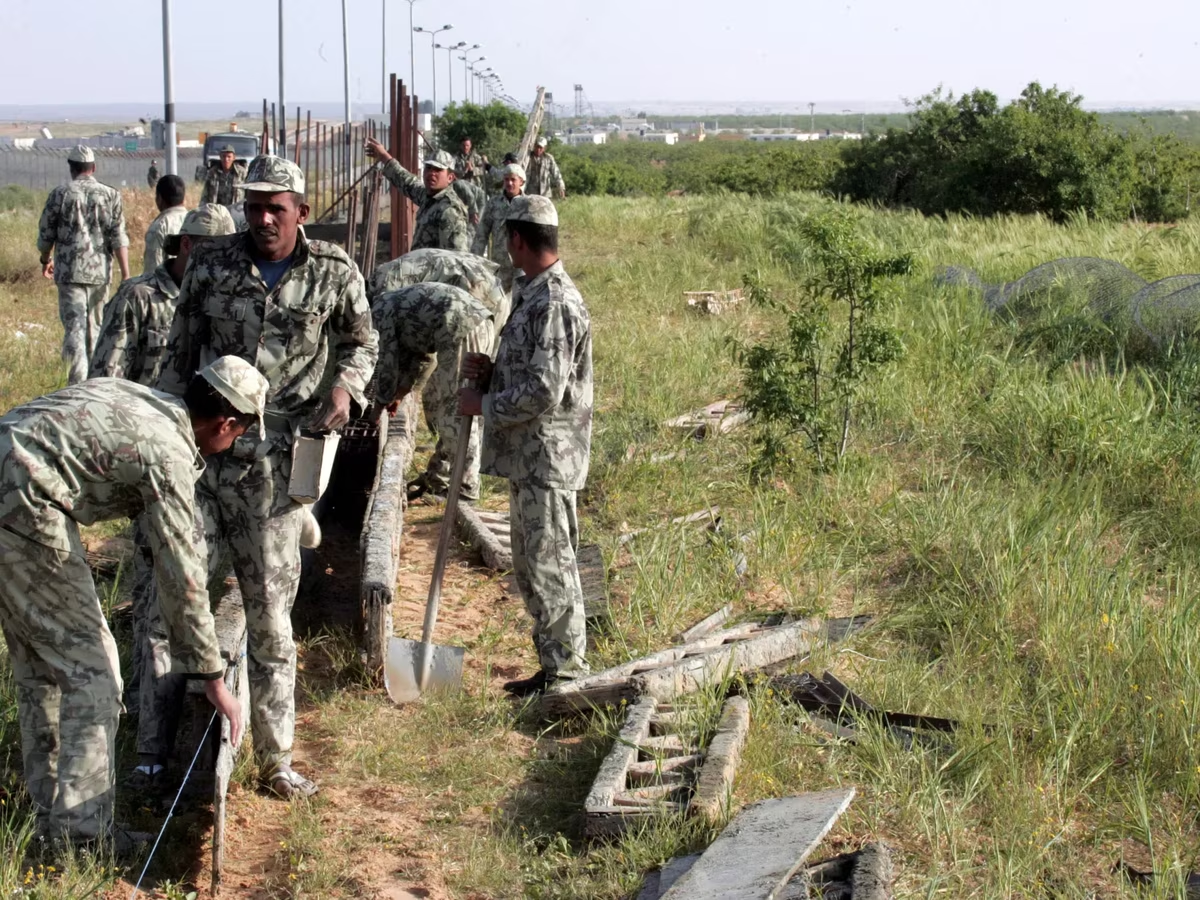
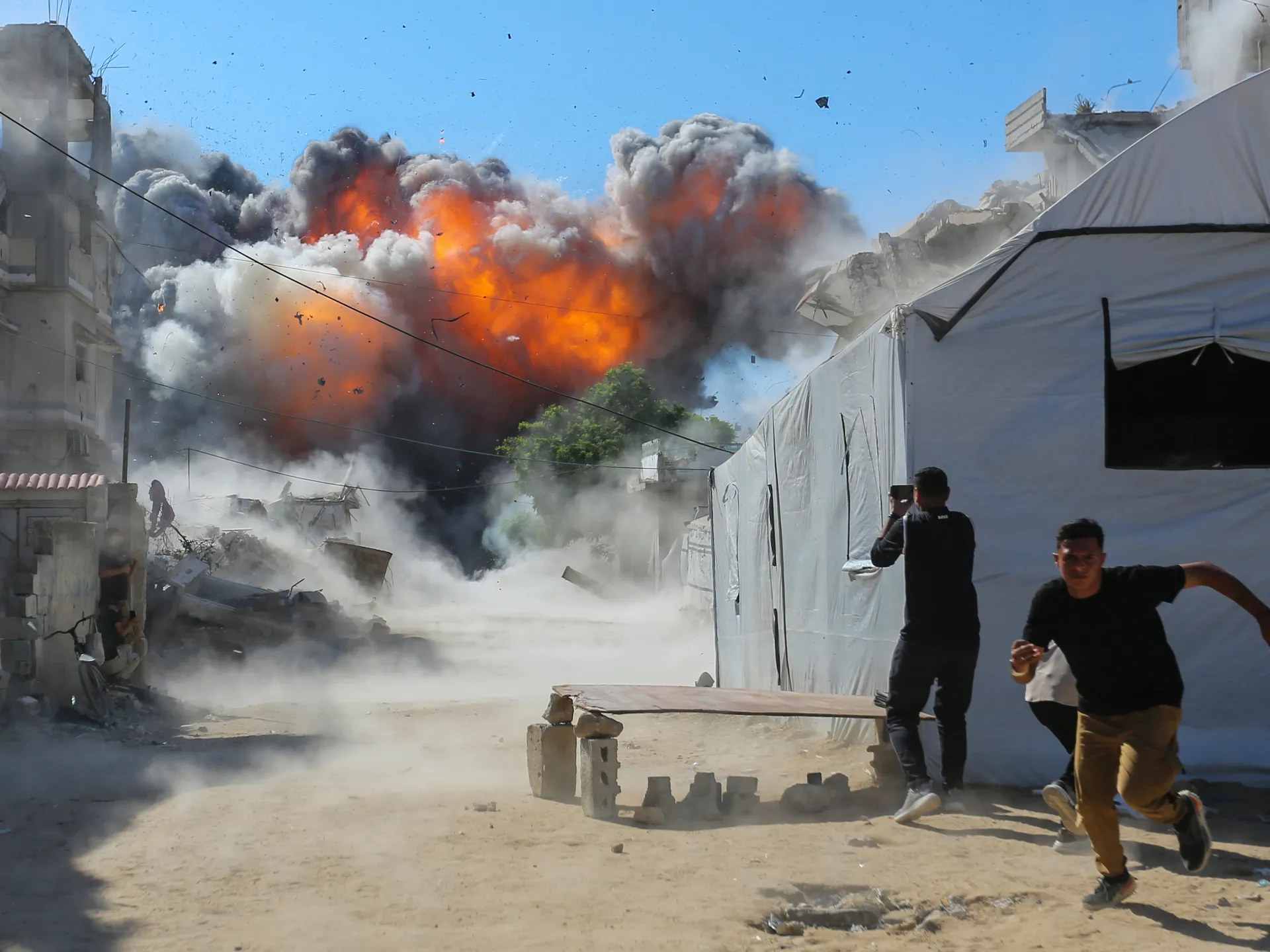
The peace treaty signed between Egypt and Israel, known as 'Camp David,' has once again taken center stage in the political and security arena, following recent reports supported by satellite imagery. These reports document the Israeli occupation army establishing fortifications and new military sites within the Palestinian city of Rafah and very close to the Egyptian border, which constitutes a clear violation of the agreed-upon security arrangements.
These military movements come at a sensitive time, coinciding with the ongoing aggression on the Gaza Strip and the Israeli forces' control over the Salah al-Din (Philadelphi) axis. These steps have raised fundamental questions in strategic circles about the extent of Tel Aviv's commitment to the military restrictions that have governed the shared border for more than four decades, and how Cairo will deal with these repeated breaches.
In this context, Major General Samir Farag, former Director of Moral Affairs in the Egyptian Army, affirmed that the Israeli movements in Zone 'D' under the agreement are completely rejected. He clarified that this area, adjacent to the Egyptian border, does not permit the presence of heavy military vehicles or the construction of permanent defensive installations, making the current Israeli actions a clear violation of the military annex's provisions.
Zone 'D' is part of four security zones defined by the 1979 agreement to ensure stability on the border. This zone is located within Israeli-controlled territories and is subject to strict armament restrictions. According to established protocols, Israel is only allowed to deploy very limited forces to secure the border, without any presence of offensive combat equipment or strategic fortifications.
Farag pointed out that the mechanism for dealing with these violations involves filing a formal complaint with the United States as the guarantor and supervisor of the agreement's implementation. Washington then tasks a joint committee to investigate the field facts, and subsequently directs the violating party to remove the transgressions and return to the previous legal status.
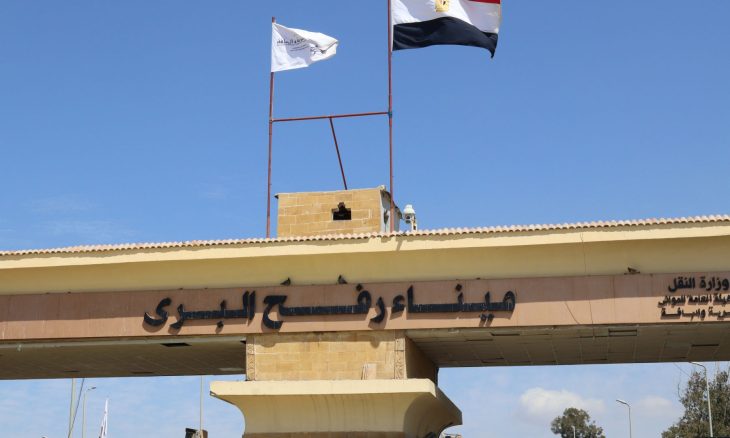
The former military official revealed that Egypt had previously filed a successful official complaint following Israel's invasion of the Palestinian city of Rafah, when Israeli tanks were spotted stationed in prohibited areas at the crossing. These diplomatic and legal pressures led to the Israeli side's compliance and the removal of the violations at that time, confirming the effectiveness of continuous Egyptian monitoring.
On the other hand, the current period is witnessing what resembles a 'war of complaints,' with Israel submitting observations regarding development operations carried out by the Egyptian side at Al-Goura Airport in North Sinai. This exchange reflects a state of subdued tension under the guise of official commitment to the treaty, amid attempts by each party to maintain power balances in the border region.
Dr. Tarek Fahmy, Professor of Political Science at Cairo University, believes that the recent Israeli moves are provocative in response to firm Egyptian stances. He explained that the extensive military maneuvers recently conducted by the Egyptian army, and Cairo's categorical rejection of plans to displace Gaza residents, prompted Israel to attempt to exert pressure through an intensified military presence near the border.
Fahmy also revealed that there has been a stated Israeli desire for some time to amend the provisions of the Camp David Treaty to serve its new security interests, which Cairo categorically rejects. He added that Egypt might only show flexibility in amending the security protocols related to the border area, provided that Israel fully withdraws from Gaza and adheres to previously signed international agreements.
Inside Israel, Prime Minister Benjamin Netanyahu faced sharp criticism from former generals who warned that continuous provocations could lead the Egyptian army to significantly reinforce its presence on the border. These concerns increased after the surprise visit by Egyptian Chief of Staff Lieutenant General Ahmed Khalifa to the border strip last September, which was considered a clear show of force.
On the official level, a responsible Egyptian source affirmed that the concerned authorities are meticulously following all developments in the northeastern strategic direction. The source stressed that Egypt is committed to the treaty as a legal framework, but will not tolerate monitoring and documenting any Israeli violation and presenting it to the relevant international bodies overseeing implementation to ensure that the field reality is not altered.
The sources concluded that the Egyptian position is based on maintaining regional stability while protecting full sovereignty and preventing any attempt to impose a new fait accompli in the Philadelphi Corridor. Cairo remains committed to diplomatic and legal frameworks to address these crises, while emphasizing that any deployment of its forces is done with full coordination and according to the requirements of national security.
The Israeli presence and movements violating the agreement in Zone (D) are completely rejected by Egypt, and the agreement does not permit the presence of any heavy military vehicles there.

Share your opinion
Israeli Fortifications in Rafah Spark Silent Crisis Over 'Camp David' Security Annex