






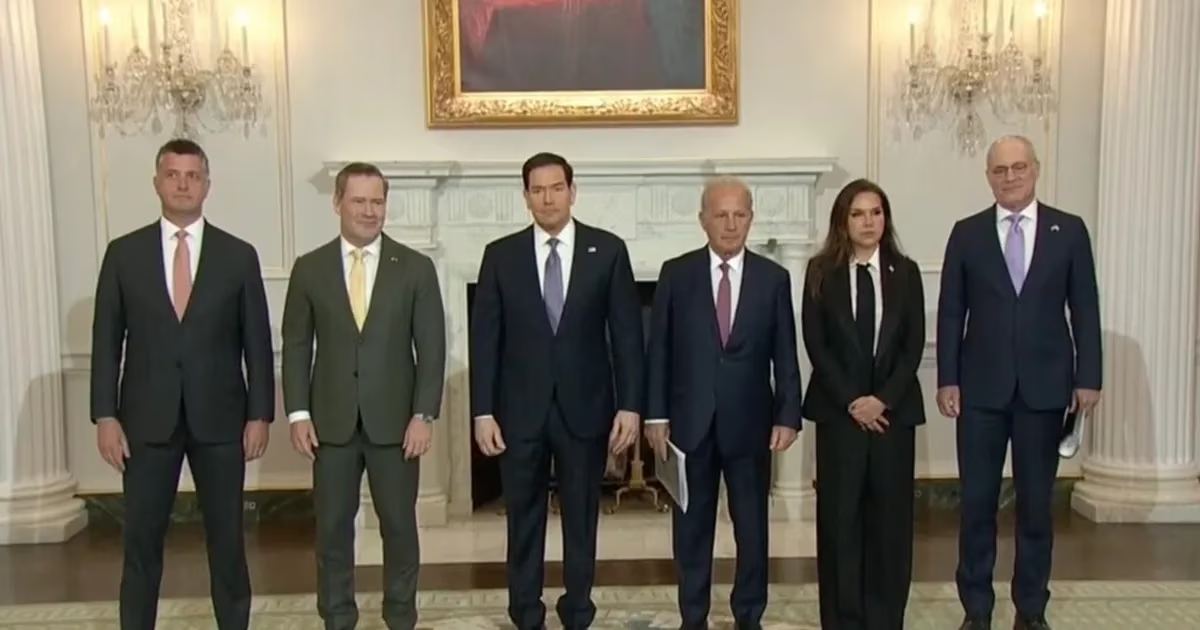
The US State Department revealed that the Lebanese and Israeli sides have reached a formal ceasefire agreement, following the conclusion of the fourth round of intensive talks hosted in Washington D.C. This development represents a fundamental shift in the course of the border conflict, establishing a new security framework aimed at ending the ongoing hostilities.
The announced agreement includes the establishment of specific experimental zones within Lebanese territory, where exclusive control and security authority will be vested solely in the Lebanese Army. Sources emphasized that this step aims to test the Lebanese state's ability to assert its effective sovereignty, paving the way for the expansion of this experiment in later stages.
The agreement stipulates the necessity of excluding all non-state armed factions and entities from these experimental zones, with mechanisms in place to ensure they do not return. Washington considers empowering the Lebanese Army to impose its full control as the cornerstone that will pave the way for a comprehensive and lasting peace and security agreement between the two parties.
The American statement affirmed that shaping the future of relations between Beirut and Tel Aviv is the exclusive responsibility of the sovereign governments in both countries, free from external interference. The United States also declared its categorical rejection of any attempts by states or non-governmental actors to hijack Lebanese decision-making or mortgage the country's future to regional agendas.
In the spirit of building trust, both parties reaffirmed the absence of any hostile intentions in their mutual relations, committing to continue direct negotiation channels to resolve all outstanding issues. This commitment aims to reach a comprehensive settlement that ends the state of conflict and ensures the stability of shared borders under direct international auspices.
The agreed-upon security framework includes explicit provisions related to dismantling the infrastructure of illegal armed groups and preventing their rearmament in any form. Sources clarified that any final agreement to cease hostilities must be signed directly between the two governments and under the direct supervision of the US administration to ensure precise implementation.
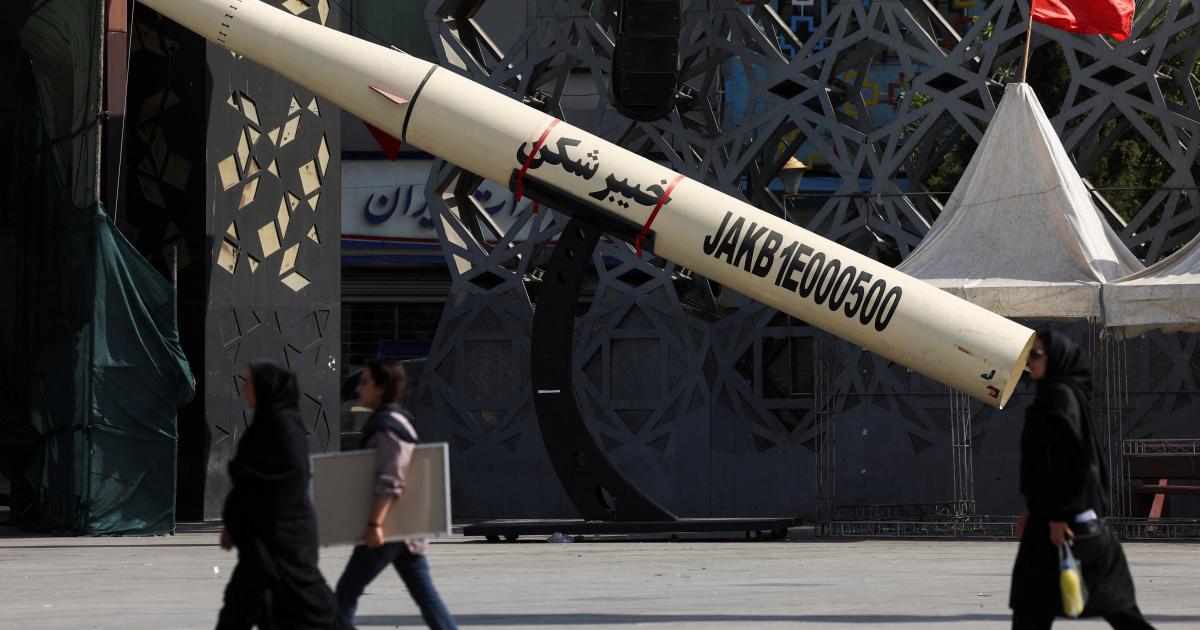
The talks witnessed a consensus among the participating parties in condemning Iranian movements in the region, with Tehran's attacks and activities described as a key factor in undermining stability in the Middle East. The US State Department also reiterated its absolute rejection of any parallel negotiation tracks that might distract efforts to reach a final solution through the American channel.
For its part, the Israeli side emphasized during the talks that achieving national security and preserving its territorial integrity are closely linked to the disarmament of Hezbollah and the complete dismantling of its military capabilities. Tel Aviv insists on the necessity of continuing direct negotiations under American leadership as the sole means to address security threats and achieve the vision of sustainable peace.
In contrast, the Lebanese delegation stressed the necessity of mutual respect for internationally recognized borders and the immediate and comprehensive cessation of all combat operations affecting national sovereignty. Beirut affirmed its adherence to the principles of its territorial integrity and the full assertion of state sovereignty over all areas, considering the strength of the national army as the sole guarantee of stability.
The future of the relationship between Israel and Lebanon must be decided exclusively by the sovereign governments of the two countries, and we reject any attempt to hold Lebanon's future hostage.




Share your opinion
Washington Announces Ceasefire Agreement Between Lebanon and Israel: Exclusive Control for Lebanese Army and Disarmament of Militants