







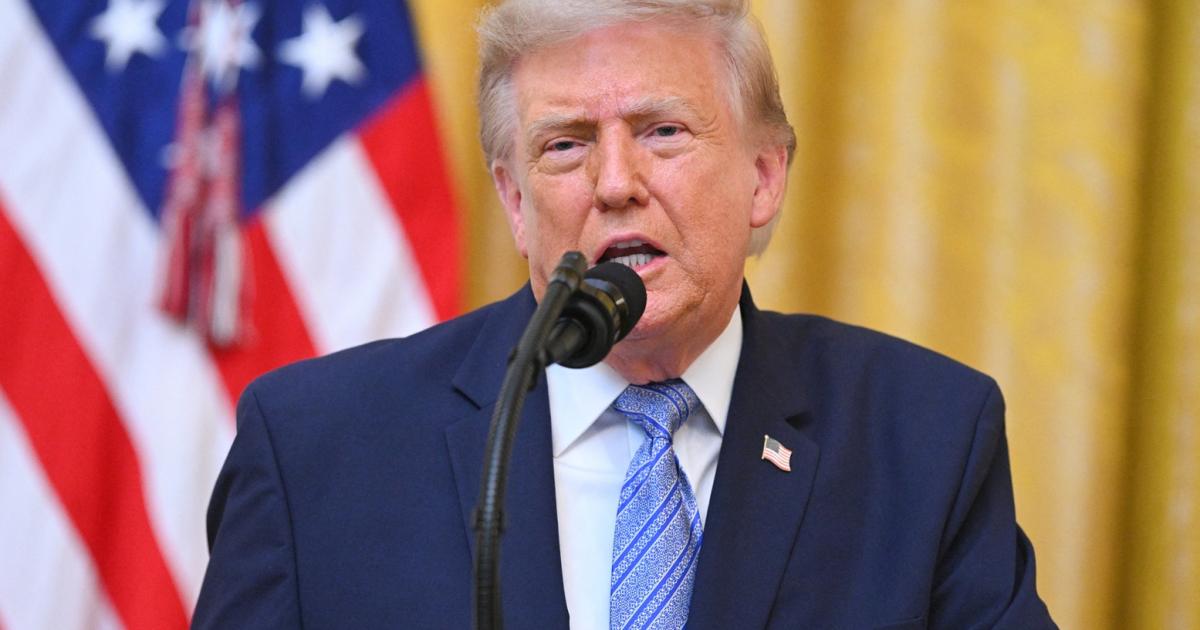
US President Donald Trump finds himself today at a dead end in the most prominent foreign policy issues he promised to resolve quickly. After entering the White House, he discovered that the diplomatic and military victories he heralded in Ukraine, Gaza, and Iran clashed with a geopolitical reality more complex than he had imagined during his election campaign.
Trump is known for his preference for decisive and swift results, keeping models of 'B-2' bombers that participated in military operations against Iranian facilities on his desk. The US President had repeatedly cited Venezuela as a perfect success model for removing adversaries, but this approach has not proven effective in the current international crises that have entered a stalemate.
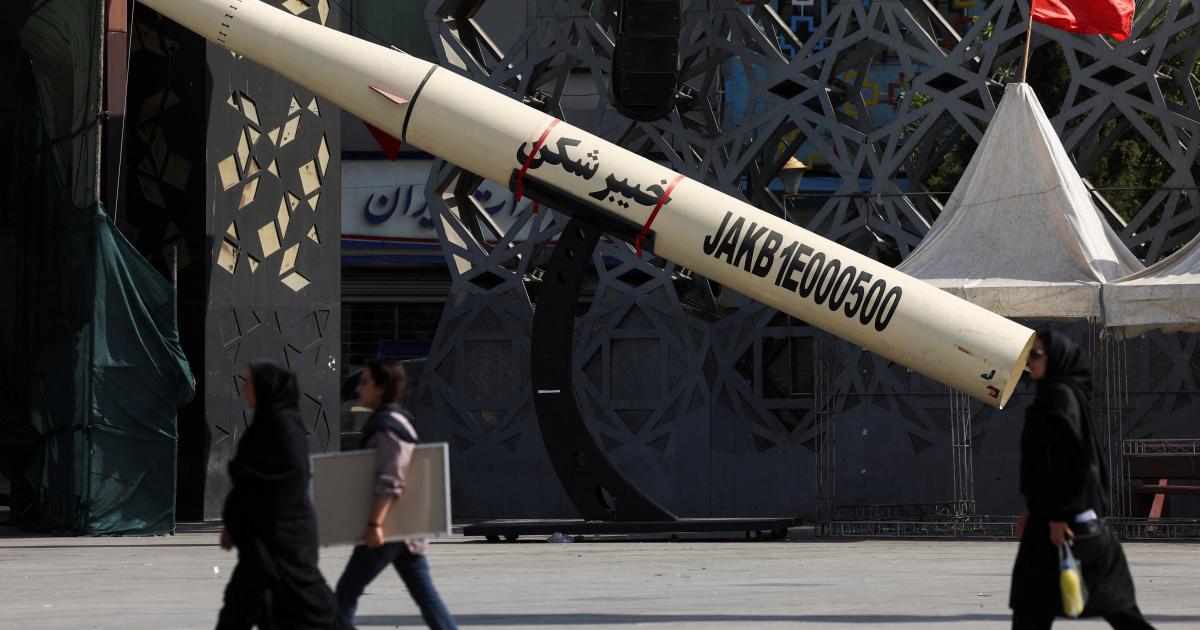
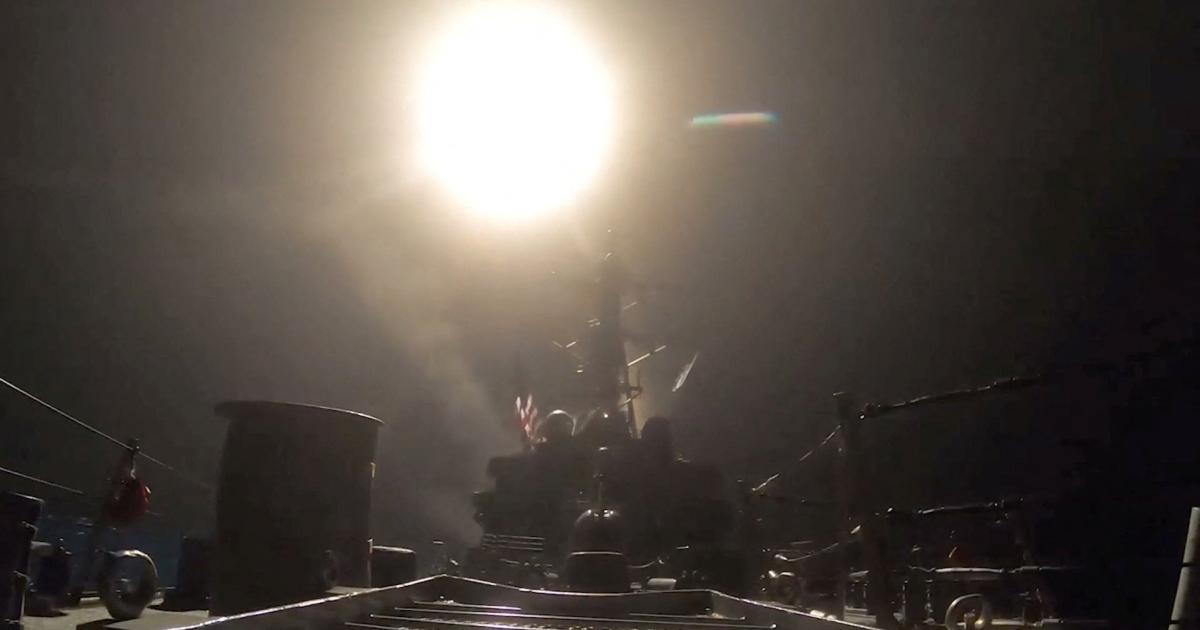
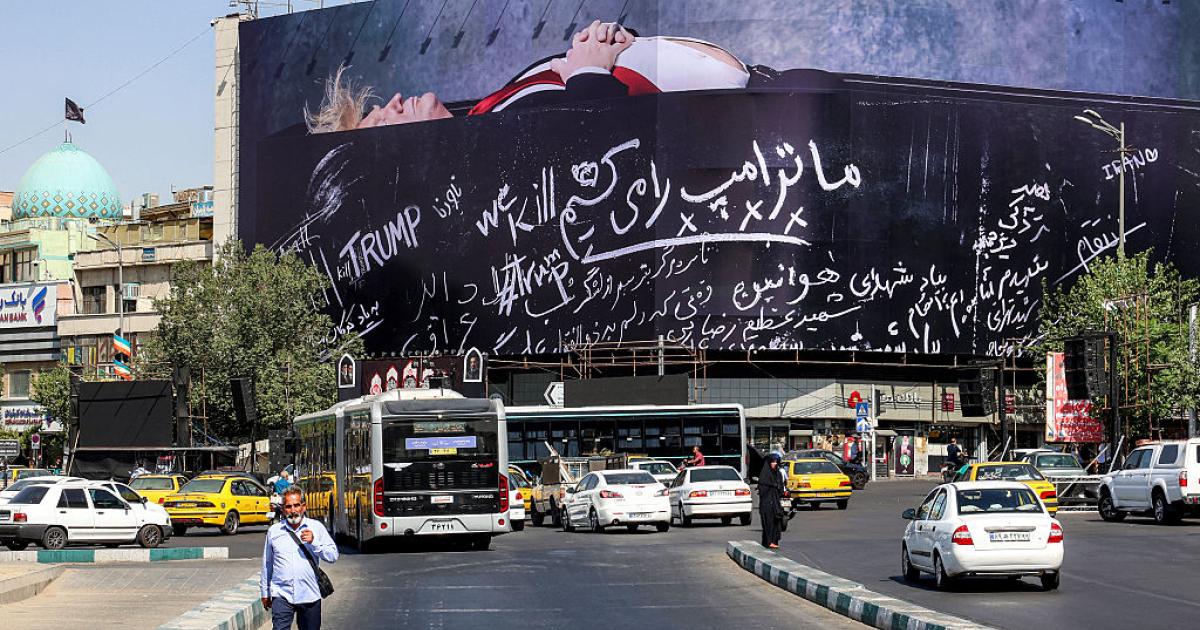
In the Iranian file, the war reached a stage of stagnation despite Trump's announcement of a ceasefire last April. The President had conditioned the truce on the full and safe opening of the Strait of Hormuz, which has not been achieved as desired, as trade understandings are still under negotiation without fundamental change in Tehran's nuclear and missile programs.
Sources in the US administration describe the ongoing negotiations with Tehran as 'very limited' and potentially long-term. It appears that the Iranian side is betting on a strategy of prolonging negotiations, benefiting from Washington's hesitation to return to a comprehensive military confrontation that does not enjoy widespread domestic support in the United States.
As for the Ukrainian front, Trump's promises to end the conflict within 24 hours of taking office evaporated. More than a year into his presidency, cannons still roar in Eastern Europe, while the President has begun to avoid discussing this issue, which has become an increasing diplomatic burden on his administration.
Secretary of State Marco Rubio expressed his frustration with the pace of talks that are not achieving tangible progress on the ground. Rubio indicated that Washington might not mind relinquishing its mediating role to another party, a clear sign of despair over the possibility of imposing a quick settlement between Moscow and Kyiv.
Informed sources indicate that the Russian side views diplomatic moves led by presidential envoys such as Steve Witkoff and Jared Kushner with coolness. The Kremlin prefers a more stable diplomatic path through official channels and regular working groups, especially given the prolonged vacancy of the US Ambassador to Moscow.
In the Gaza Strip, American celebrations of hostage releases faded in the face of ongoing destruction and the failure of reconstruction plans. Despite Trump's promotion of a plan to transform the Strip into a tourist area with towers and resorts, the reality on the ground indicates that Palestinian factions have not been disarmed and humanitarian suffering continues.
Further complicating the scene in Gaza was the announcement by the Prime Minister of the occupation, Benjamin Netanyahu, of expanding military control over additional areas in the Strip. This approach contradicts American perceptions of a political solution and puts the Trump administration in an awkward position regarding its promises to achieve stability and economic prosperity in the region.
Analysts believe that the gap between Trump's ambitions and the realities on the ground stems from his overconfidence in the ability of military force to impose lasting political outcomes. While Washington is adept at delivering precise strikes against facilities, it lacks the ability to control subsequent political trajectories in sovereign states like Russia and Iran.
Security experts emphasize that foreign policy is a continuous daily management process, not just dramatic announcements or exciting initiatives. Careful follow-up of issues is what makes the difference, which Trump's record seems to lack, as his interest in issues wanes once they enter the complex labyrinths of negotiation.
Specifically on the Ukrainian issue, Trump admitted in private occasions that he underestimated the complexities preventing an agreement. Meanwhile, Ukraine has developed offensive capabilities enabling it to strike deep into Russia, adding new layers of difficulty to any American mediation attempt.
Regarding Iran, the White House's rhetoric shifted from demanding 'unconditional surrender' to seeking formulas that combine pressure and incentives. This shift reflects an implicit acknowledgment of the failure of military strikes to achieve the major political goals set by the administration at the beginning of the escalation.
Observers conclude that the real challenge for Trump is not in winning military battles, but in managing the complex political repercussions that follow. While Gaza remains mired in rubble and Ukraine in the throes of war, the US President faces the reality that 'big deals' are not always made by the language of force alone.
Foreign policy is usually a long and complex process, and what makes the difference is the continuous management of issues, not grand announcements.


Share your opinion
Between Electoral Promises and Complex Reality: Why Trump's Strategy in Gaza, Ukraine, and Iran Faltered?