






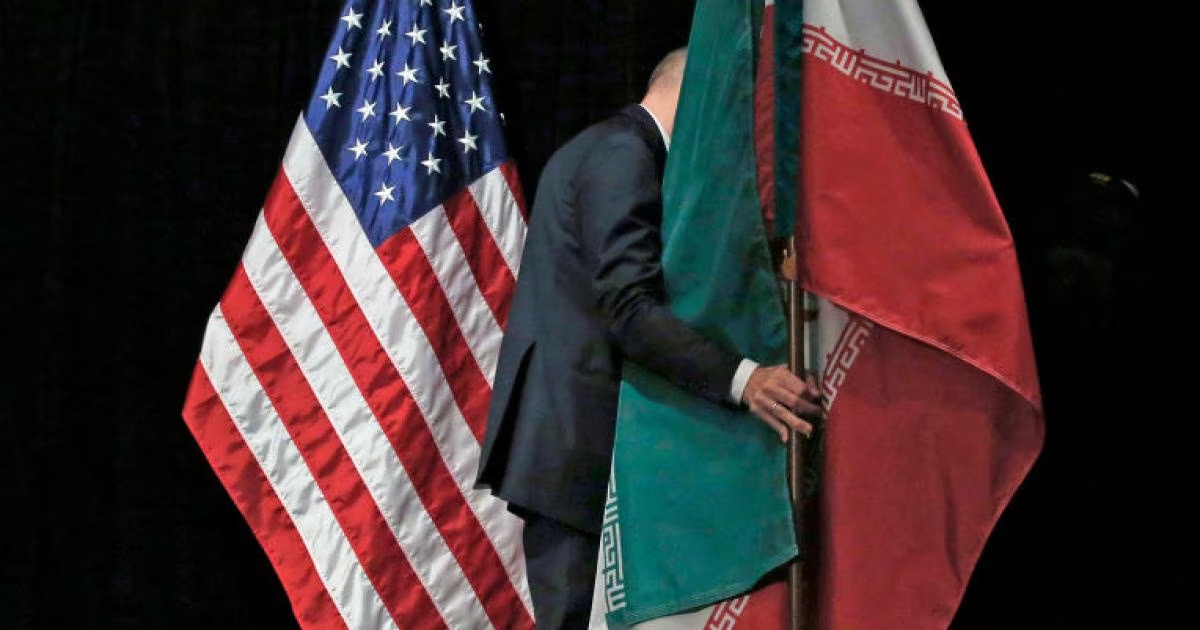
The United States of America has once again hinted at the military option against the Islamic Republic of Iran, as US Secretary of Defense Pete Hegseth announced his country's readiness to resume military attacks if the diplomatic path falters. These escalatory statements came during the Secretary's participation in the 'Shangri-La Dialogue' in Singapore, where he affirmed that Washington would not hesitate to use force if an agreement ensuring American interests was not reached.
Hegseth stressed that US forces possess full readiness and sufficient stockpiles of advanced weapons and high-tech ammunition to carry out large-scale operations. He explained that the balance in the distribution of military capabilities between the homeland and bases deployed around the world gives Washington high flexibility for rapid military action if necessary, noting that his country is closely monitoring developments in the situation.
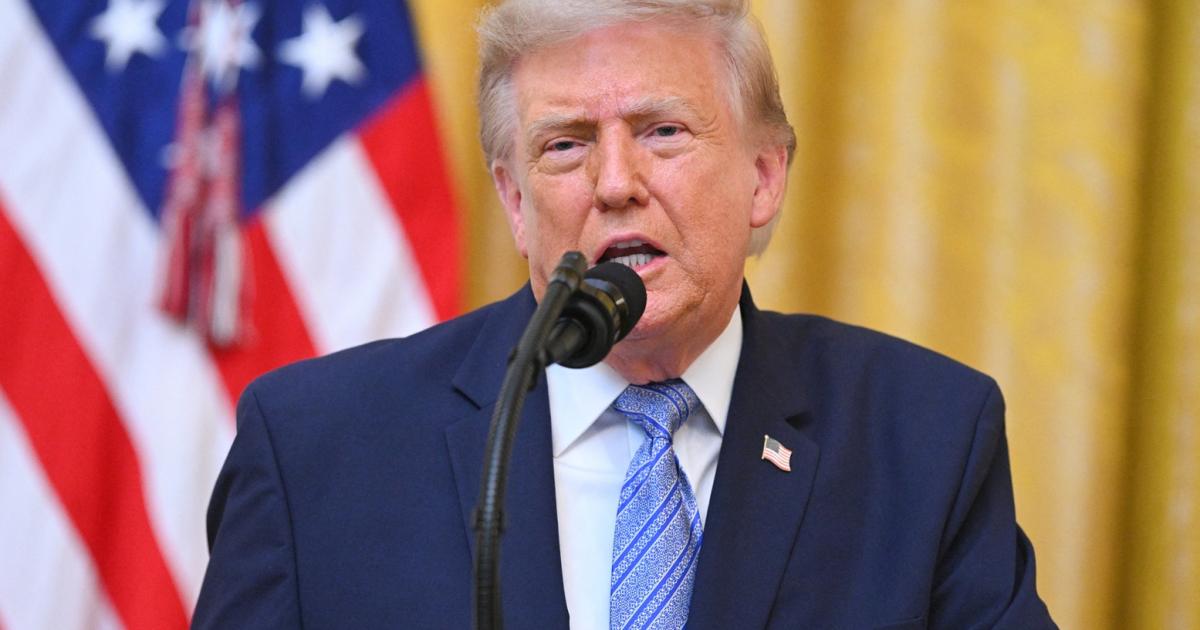
In the context of diplomatic efforts, the Secretary of Defense indicated that President Donald Trump is showing strategic patience with the aim of reaching what he described as the 'Grand Bargain'. This proposed deal, from the American perspective, aims to ensure that Iran never possesses nuclear weapons, a file that tops the current administration's priorities in its ongoing negotiations with the Iranian side.
Regarding movements within the White House, media reports revealed that President Trump held a lengthy meeting in the Situation Room last Friday, lasting two hours, to discuss the draft agreement. Despite the length of the consultations, the meeting did not yield tangible results, amid reports of deep gaps between the two parties regarding implementation mechanisms and the guarantees required from each side.
For its part, informed sources in Tehran confirmed that diplomatic communication channels are still open, with messages continuing to be exchanged between the negotiating delegations until the last moments. The sources indicated that there has been slight progress in drafting some provisions of the draft understanding, but the divergence in official narratives between Washington and Tehran still hinders the announcement of any real breakthrough in the wall of the crisis.
Iran adheres to a package of fundamental demands that it considers non-negotiable, foremost among them the immediate release of frozen financial assets estimated at approximately 12 billion dollars. Tehran also stipulates a comprehensive cessation of hostilities as a mandatory prerequisite for any agreement, considering that lifting economic and military pressures is the real test of the American side's seriousness in the negotiations.
In addition to the financial file, Tehran seeks to include sensitive regional files in the final understandings, including the situation in Lebanon and the security of navigation in the Strait of Hormuz. These demands clash with a different American vision that seeks to separate the nuclear file from regional influence, which keeps the negotiations in a state of constant tug-of-war, awaiting what the coming days will bring.
We are fully capable of resuming operations if necessary, and our stockpiles are adequate for that, both domestically and elsewhere in the world.

Share your opinion
Washington hints at military option against Tehran amid stalled 'Grand Bargain' negotiations