





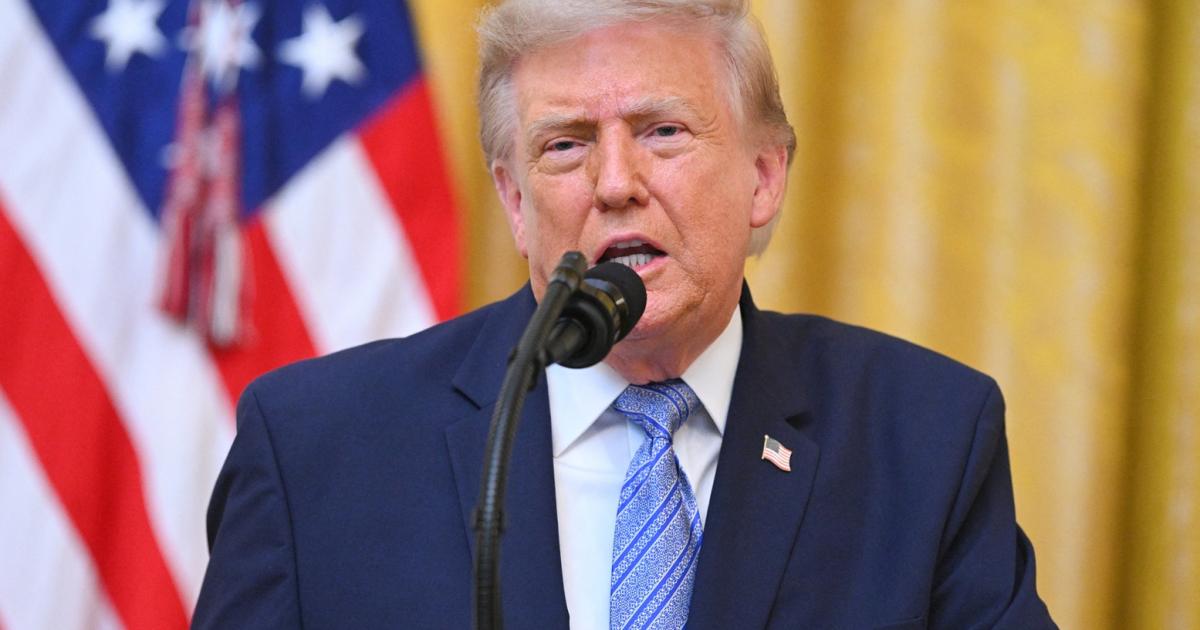
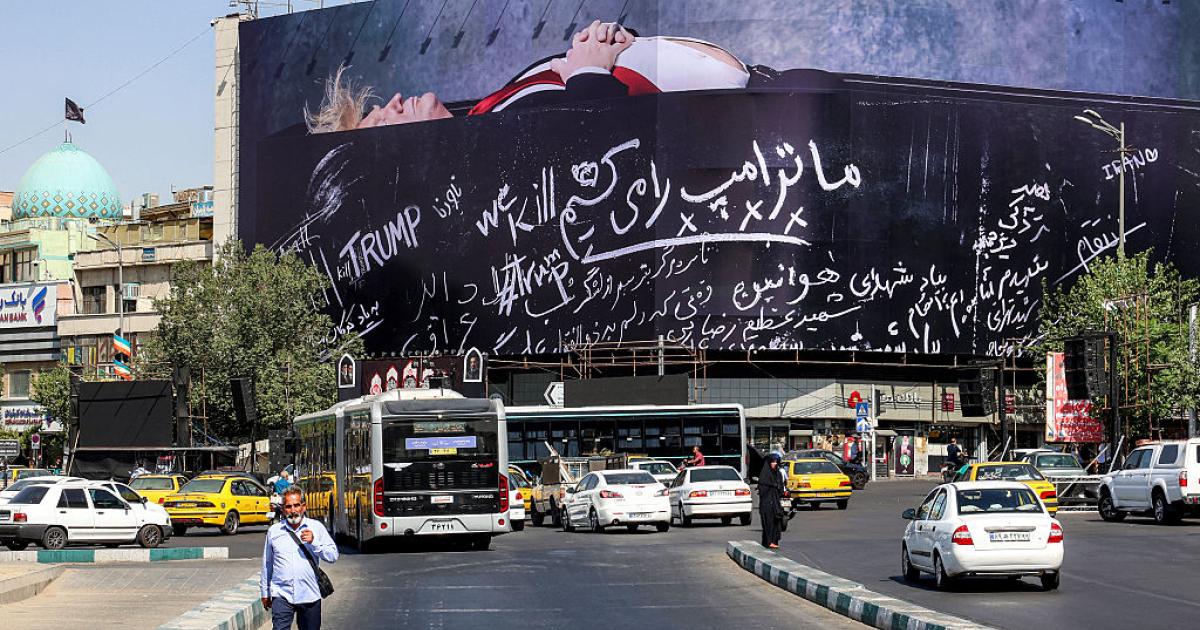
Press sources revealed a state of frustration prevailing in the White House after President Donald Trump failed to achieve a diplomatic breakthrough with Iran, despite the optimistic expectations promoted by his administration's key figures in recent days. Trump admitted during a cabinet meeting that he had no tangible results to announce, indicating that the Iranians had not yet reached the necessary point of agreement to conclude the deal.\n\nThe current discussions revolve around a brief 'memorandum of understanding' aimed at giving negotiators a 60-day grace period to find technical solutions to the issue of uranium enrichment, or what Trump describes as 'nuclear dust.' This temporary path aims to cool the conflict and avoid a comprehensive military escalation, the repercussions of which Trump fears for the global economy.\n\nDespite repeated statements by Secretary of State Marco Rubio about the imminent conclusion of the agreement, the on-the-ground and political reality has proven the complexity of the file. Rubio has retracted his time estimates several times, reflecting deep gaps in negotiations that escalating American pressure has so far failed to bridge.\n\nObservers believe that Trump's hesitation to return to the military option stems from his awareness of the extent of depletion in American ammunition stockpiles. His aides also express grave concern about Iran's ability to target energy facilities in neighboring Gulf countries, which could lead to an explosion in global fuel prices, which are already suffering from high levels.\n\nIn the context of internal pressures, Trump faced scathing criticism from his hawkish allies in the Senate, where Senator Lindsey Graham considered that any agreement granting Iran permanent influence in the Strait of Hormuz would represent a security nightmare for Israel. Graham warned that the balance of power in the region is undergoing a dangerous shift in favor of Tehran due to its ability to threaten international navigation.\n\nFor his part, Senator Roger Wicker, chairman of the Armed Services Committee, described rumors of a 60-day ceasefire as a "disaster." Wicker stressed that betting on the good intentions of the Iranian regime at this stage is a strategic mistake, which prompted Trump to change his public tone and emphasize that he would only accept a "clear victory."\n\nReports indicate that Trump tried to link the nuclear deal to the expansion of the 'Abraham Accords' in an attempt to market the deal as an unprecedented historical achievement. However, this idea seems far-fetched in light of widespread international condemnations of recent Israeli military operations and the severe damage inflicted on the region's countries due to the ongoing conflict.\n\nThe US administration is facing extreme difficulties in pushing Tehran to sit at the negotiating table directly on the nuclear program. Analysts recall the warnings of former Secretary of State John Kerry, who stressed that involving multiple issues in one file would leave the parties stuck in an endless 'deception game,' which is the dilemma Trump seems to have fallen into.\n\nThe proposed draft, circulated through Qatari mediators, includes provisions to gradually increase navigation in the Strait of Hormuz to pre-war levels. However, the sovereignty knot emerges as a major obstacle, as Tehran insists on keeping the strait under its direct supervision, which Washington rejects outright.\n\nRegarding the financial aspect, Iran demands the release of its frozen assets as a form of 'compensation' for the losses it incurred during the war. Despite Trump's public denial of discussing sanctions relief, informed sources confirm that this file represents a fundamental pillar in any potential understanding to end the current stalemate.\n\nOn the Lebanese front, the fate of military operations against Hezbollah remains ambiguous within the ceasefire proposals. While Israeli Prime Minister Benjamin Netanyahu intensifies his ground and air strikes, it is not yet clear whether the US-Iranian agreement will include a comprehensive de-escalation covering Israel's northern front.\n\nThe Trump administration faces criticism for the lack of transparency in managing this sensitive file, with information often limited to brief presidential posts on social media platforms. Negotiations are currently being led by an unconventional team comprising Steve Witkoff and Jared Kushner, who operate outside the usual diplomatic frameworks of the State Department.\n\nThe Iranian side views recent American moves, especially the missile strikes that recently targeted southern Iran, as evidence of 'bad faith.' Tehran believes that threats simultaneous with peace offers undermine the credibility of the American negotiator and make reaching a lasting solution almost impossible at present.\n\nIn conclusion, Trump finds himself facing a difficult test of his credibility before his voters who are suffering from a deteriorating economic situation and rising gasoline prices. While he seeks to declare a quick 'diplomatic victory,' the facts on the ground show that Iran has become more aware of its geopolitical influence and its ability to use the energy weapon to extract greater concessions from Washington.\n\nThey desperately want a deal, but they haven't gotten there yet.

ARAB AND WORLD
Sat 30 May 2026 2:19 pm - Jerusalem Time
'Impending Deal' Dilemma: Trump Faces Tehran's Intransigence and Internal Division Over Nuclear Deal

Tags
MORE FROM ARAB AND WORLD

Dangerous Maritime Escalation: Militants Seize Tanker Off Aden, Near Total Paralysis in Strait of Hormuz
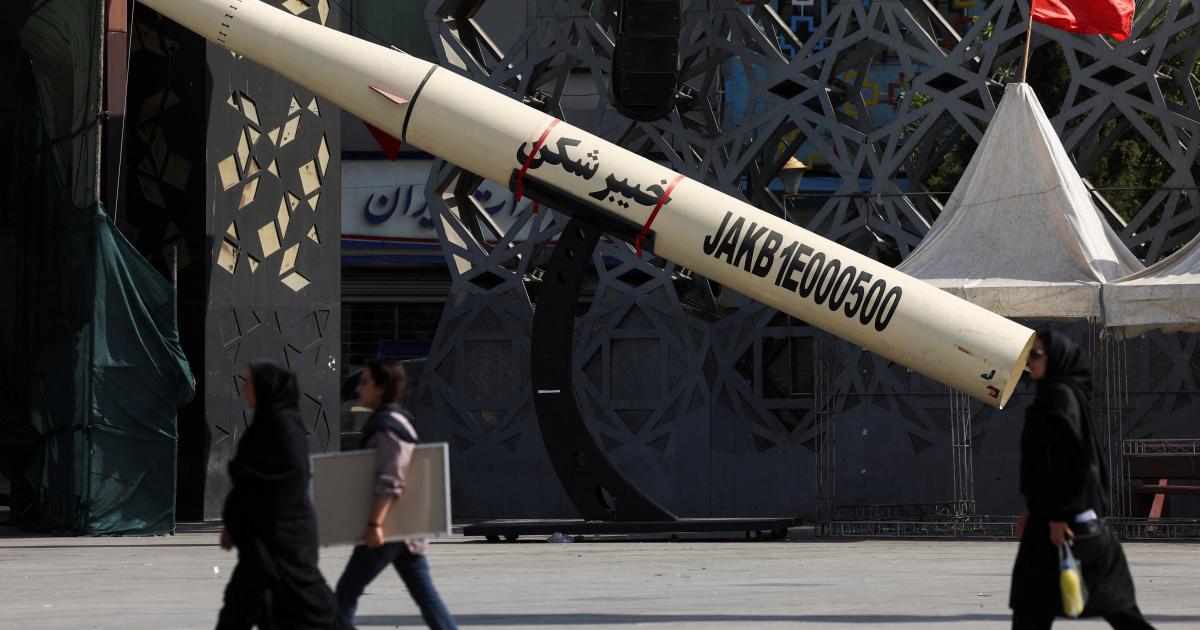
Widespread Military Escalation Between Washington and Tehran: American Strikes Target Bandar Abbas and Iranian Defenses Respond
Trump threatens comprehensive military escalation against Iran amid collapse of de-escalation and threats to close waterways
Share your opinion
'Impending Deal' Dilemma: Trump Faces Tehran's Intransigence and Internal Division Over Nuclear Deal