







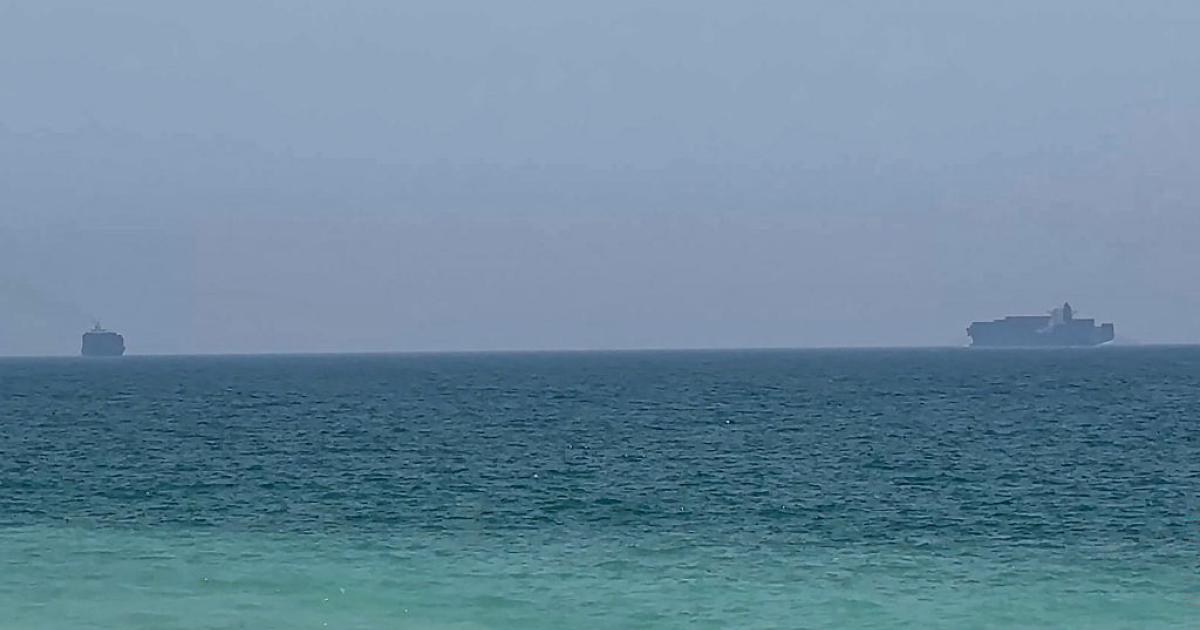
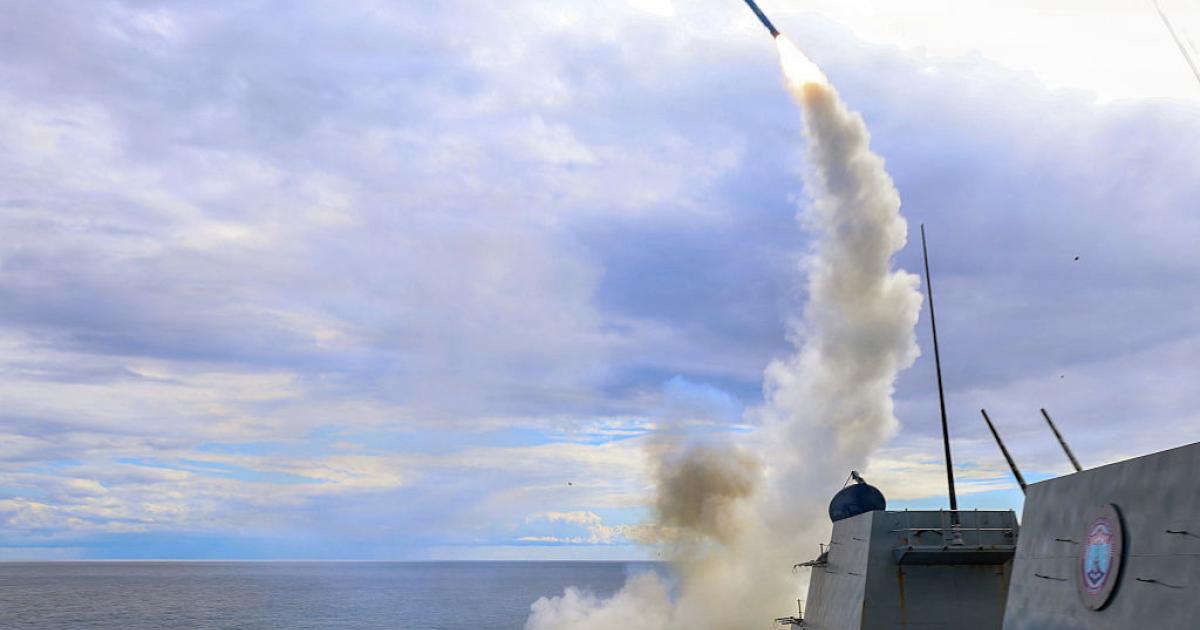
The waters of the Arabian Gulf, specifically the Strait of Hormuz region, have witnessed a dangerous military escalation in recent hours, as sources reported American officials stating that Iranian forces launched four suicide drones targeting a US Navy warship and a commercial vessel. The sources confirmed that American defense systems successfully intercepted and destroyed all drones before they reached their targets, noting that this move came in the context of a direct threat to international navigation and forces stationed in the region.
In a swift response to the attack, US Air Force launched raids targeting a drone launch unit stationed on Iranian territory, in addition to shelling a military site that Washington described as posing a continuous threat to navigation security in the Strait of Hormuz. American officials explained that these strikes aim to neutralize the offensive capabilities used by Tehran to destabilize vital waterways, affirming their commitment to protecting global trade freedom.
On the other hand, Tehran presented a different narrative of events, as Iranian military sources reported that the naval forces of the Revolutionary Guard managed to intercept an American tanker that attempted to cross the Strait of Hormuz illegally and forced it to retreat. The Iranian military source described the American shelling as a failed attempt to show force, noting that American missiles fell in desert and barren areas around the city of Bandar Abbas and did not result in any significant material or human losses.
On the ground, local residents and media in southern Iran reported hearing three powerful explosions shaking the eastern suburbs of the strategic city of Bandar Abbas, leading to a state of alert among local forces. This coincided with the activation of Iranian air defense systems for several minutes in the region's sky, amidst reports of attempts to confront hostile targets that penetrated the airspace, without an official detailed statement from the Iranian General Staff regarding the nature of those targets.
This field tension comes at a sensitive time for the region, as military friction between Washington and Tehran in the waterways is increasing, raising international concerns about the situation escalating into a full-scale confrontation. Major capitals are monitoring developments in the Strait of Hormuz, which is considered the lifeline for global energy supplies, amidst calls for restraint and avoiding escalation that could lead to the closure of the strait or disruption of oil tanker traffic.
We forced an American tanker that attempted to cross the Strait of Hormuz to stop and turn back, and the US Army fired at barren lands.

Share your opinion
Night Confrontation in the Strait of Hormuz: Exchange of Shelling and Drones Between Washington and Tehran